1. Basic Information
- Word: 把手
- Pinyin: bǎshou
- Literal Meaning: "grasp hand" (把 = hold, grasp; 手 = hand)
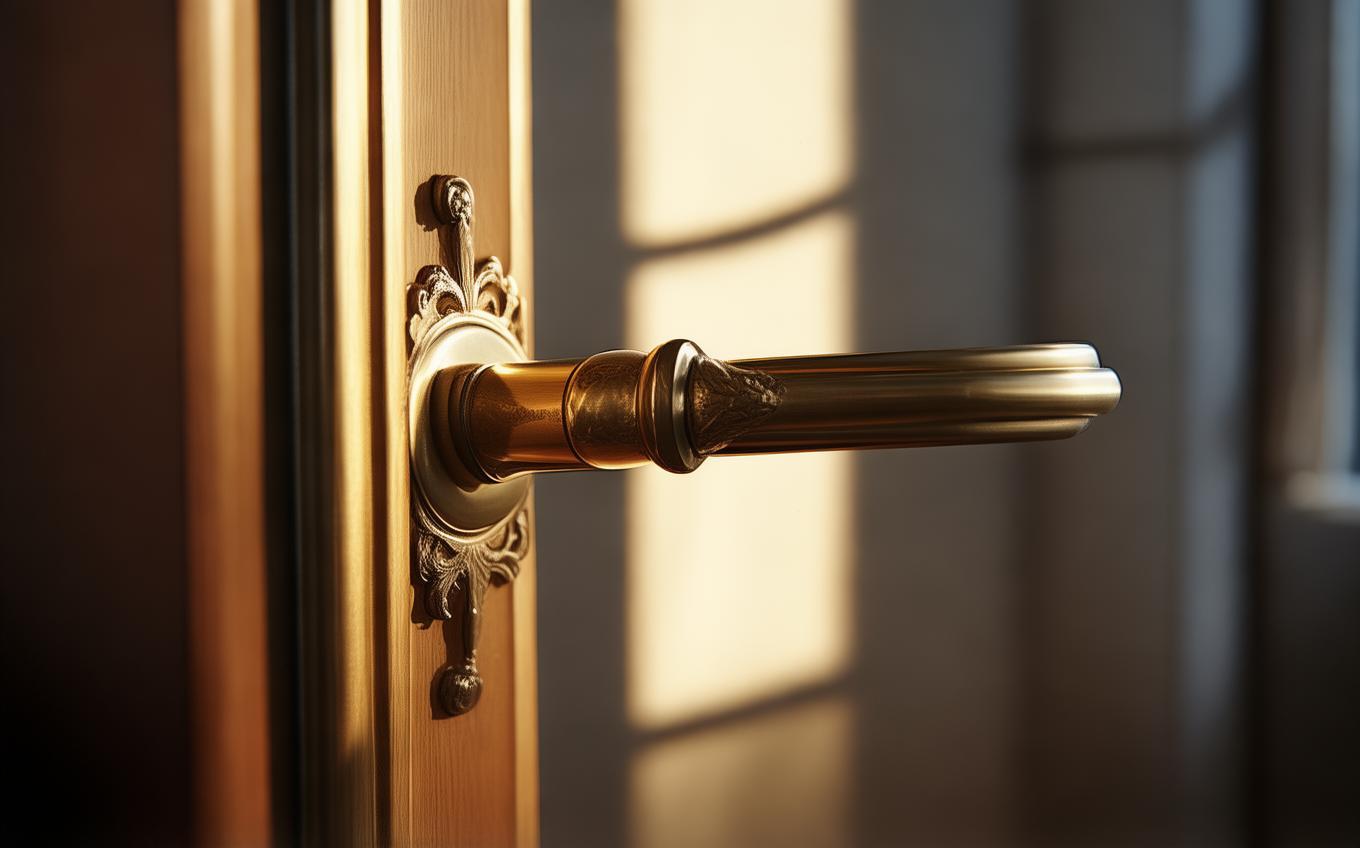
- Primary Meaning: handle, knob, grip (a part of an object designed to be held by the hand)
2. In-depth Explanation
-
Context and Usage:
把手 refers to any handle or grip attached to an object that allows you to hold, pull, push, or carry it. It is a highly practical, everyday word. You'll encounter it on doors, drawers, cabinets, suitcases, cups, tools, and bicycles. The tone is neutral and descriptive, suitable for both spoken and written Chinese. There are no strong formality restrictions—you can use it when talking to a repair person, a friend, or in a product manual. In some regions, especially in northern China, the second syllable is pronounced with a neutral tone (shou), while in Taiwan it may retain the full third tone (bǎ shǒu). Both are understood. -
Character Breakdown:
- 把 (bǎ): A versatile character often used as a measure word or a preposition meaning "to hold/to grasp". Originally, it depicts a hand holding something. In this word, it contributes the meaning of "grip" or "hold".
- 手 (shǒu): Means "hand". It reinforces that this is something you hold with your hand.
Together, 把手 literally means "the thing you grasp with your hand", which perfectly encapsulates its function.
3. Example Sentences
- Chinese: 请转动门上的把手,然后推门进去。
- Pinyin: Qǐng zhuàndòng mén shàng de bǎshou, ránhòu tuī mén jìnqù.
-
English: Please turn the handle on the door, then push the door to enter.
-
Chinese: 这个抽屉的把手坏了,需要修理。
- Pinyin: Zhège chōuti de bǎshou huài le, xūyào xiūlǐ.
-
English: The handle of this drawer is broken and needs to be fixed.
-
Chinese: 行李箱的把手很结实,提着很稳当。
- Pinyin: Xínglǐxiāng de bǎshou hěn jiēshi, tí zhe hěn wěndang.
- English: The handle of the suitcase is very sturdy; carrying it feels secure.
Cultural Notes
In Chinese daily life, door handles and drawer pulls are often simple metal or plastic, but in traditional Chinese furniture, especially antique cabinets and chests, 把手 was frequently made of brass and beautifully decorated with auspicious symbols like the ruyi (如意) head or coins, representing good luck and prosperity. These decorative handles were not just functional but also a sign of craftsmanship and status. Today, modern Chinese homes blend minimalist Western-style 把手 with classic hardware, reflecting a mix of cultural aesthetics.
Conclusion
To remember 把手 (bǎshou), think of "a hand grip"—something your hand holds onto. The two characters literally paint the picture: 把 (hold) + 手 (hand). Use it for any handle on a door, drawer, bag, or tool. With this word, you can easily describe one of the most common objects around you, making your Chinese more precise and practical.
Sources and Further Reading
Dictionary links are provided for independent reference. Example sentences and learning notes on this page are educational explanations rather than dictionary quotations.



Comments (0)
No comments yet. Be the first to comment!