1. Basic Information
- Word: 百合
- Pinyin: bǎi hé
- Literal Meaning: hundred together / hundred joined
- Primary Meaning: lily (the flower)
2. In-depth Explanation
- Context and Usage:
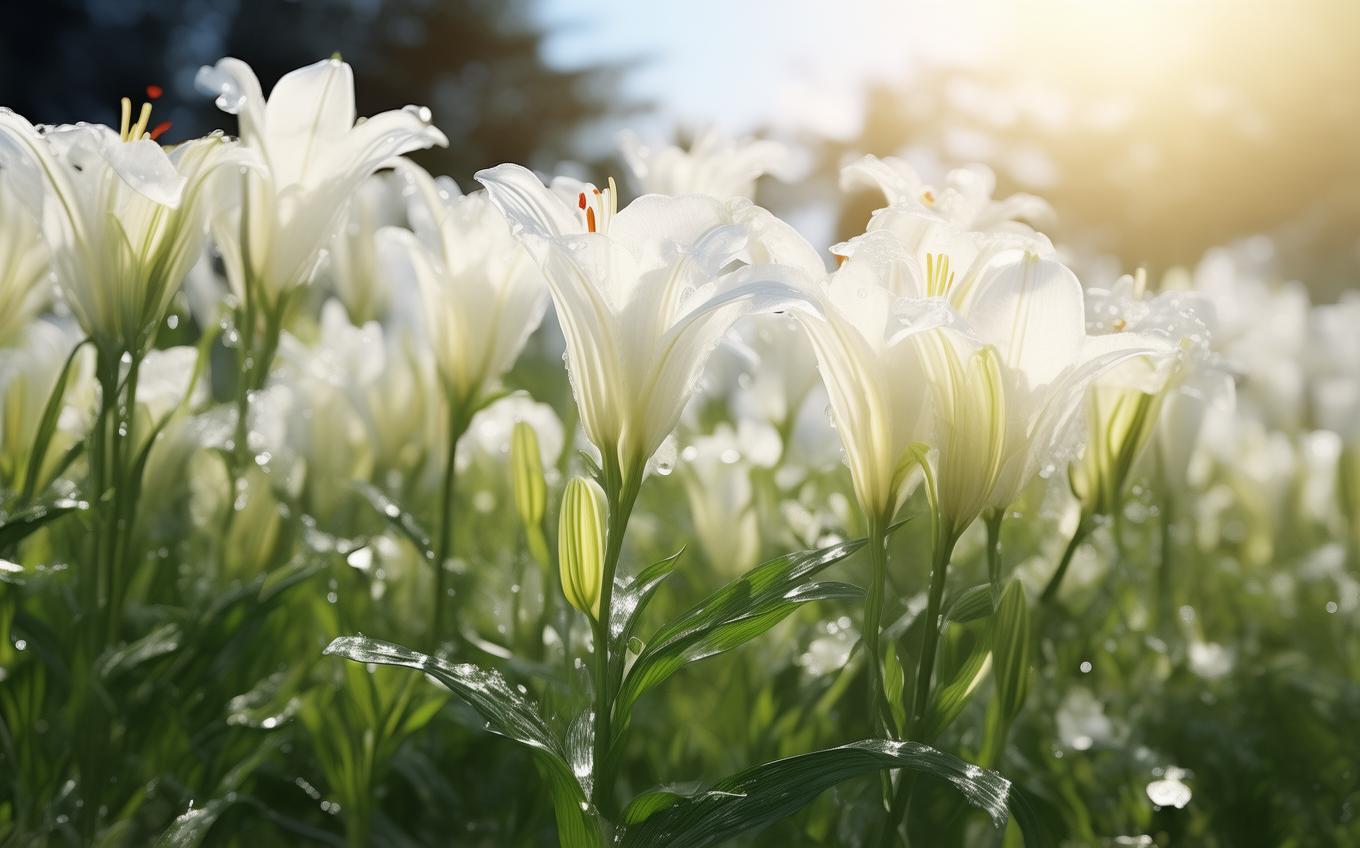
In everyday language, 百合 (bǎi hé) refers to the lily flower. You use it exactly as you would the word "lily" in English—when talking about the plant, its blooms, its scent, or as a decorative motif. It appears in garden centers, florist shops, poetry, and art.
However, learners should be aware of a modern slang usage. In Chinese internet culture and ACG (Anime, Comics, Games) circles, 百合 has adopted the Japanese-derived meaning of "yuri," referring to romantic or emotional relationships between women. This usage is strongly associated with manga, anime, and light novels. While the flower meaning is neutral and universal, the slang meaning is informal and context-dependent (mostly online or among fans). In formal writing or conversations with people unfamiliar with otaku culture, 百合 means simply "lily."
So, when you encounter the word, pay attention to context: a conversation about gardening versus one about anime will guide your interpretation.
- Character Breakdown:
百合 is a compound word made of two characters: - 百 (bǎi): “hundred.” It conveys the idea of a large number, multiplicity, or completeness.
- 合 (hé): “to join,” “to combine,” “to close,” or “harmony.”
Together, 百合 (bǎi hé) literally suggests “a hundred joined together” or “all things in harmony.” This reflects the way the lily bulb is composed of many overlapping scales, all tightly joined into one whole. The name thus beautifully captures both the physical structure of the plant and a sense of completeness and unity.
3. Example Sentences
-
Chinese: 花瓶里有三朵白色的百合,房间里充满了香味。
Pinyin: Huā píng lǐ yǒu sān duǒ bái sè de bǎi hé, fáng jiān lǐ chōng mǎn le xiāng wèi.
English: There are three white lilies in the vase, and the room is filled with fragrance. -
Chinese: 妈妈在院子里种了几棵百合。
Pinyin: Mā ma zài yuàn zi lǐ zhòng le jǐ kē bǎi hé.
English: Mom planted a few lilies in the yard. -
Chinese: 那个论坛专门讨论百合漫画和小说。
Pinyin: Nà ge lùn tán zhuān mén tǎo lùn bǎi hé màn huà hé xiǎo shuō.
English: That forum is dedicated to discussing yuri (girls’ love) manga and novels.
Cultural Notes (if applicable)
- Symbolism of the lily: In Chinese tradition, the lily (百合) symbolizes a happy union, harmony, and a hundred years of love. It is a popular flower at weddings because the name sounds like the phrase “百年好合” (bǎi nián hǎo hé) — “a happy union for a hundred years.” The flower thus represents wishes for long-lasting marriage and family harmony.
- The yuri connection: The slang meaning of 百合 as female same‑sex romance comes from Japanese. In Japan, the word “yuri” (also meaning lily) was adopted in the 1970s to describe a genre of manga focusing on emotional and romantic relationships between women. The character “百合” was used, and the term spread into Chinese-speaking fan communities. Nowadays, a “百合剧” (bǎi hé jù) is a TV drama centering on such relationships, and “百合控” (bǎi hé kòng) is someone who is a fan of the genre. If you see 百合 used on social media without any reference to flowers, it almost certainly carries this meaning.
Conclusion
Remember 百合 (bǎi hé) primarily as “lily,” a flower representing harmony and enduring love. In modern informal settings, it can also mean the “yuri” genre of female romantic fiction. The key to understanding which meaning is intended lies in the context: flowers and gardens vs. anime and internet culture. The literal image of “a hundred scales joined together” helps you recall both the flower’s bulb and the sense of unity that makes the word so meaningful.
Sources and Further Reading
Dictionary links are provided for independent reference. Example sentences and learning notes on this page are educational explanations rather than dictionary quotations.



Comments (0)
No comments yet. Be the first to comment!