1. Basic Information
- Word: 摆设
- Pinyin: bǎishè (note: both characters together form a single noun with this pronunciation; when used as a verb phrase, it is also bǎishè but the grammar differs)
- Literal Meaning: "arrange + set up" → things that are arranged and set up for display
- Primary Meaning: ornaments; decorative objects; items placed for display rather than practical use
2. In-depth Explanation
-
Context and Usage:
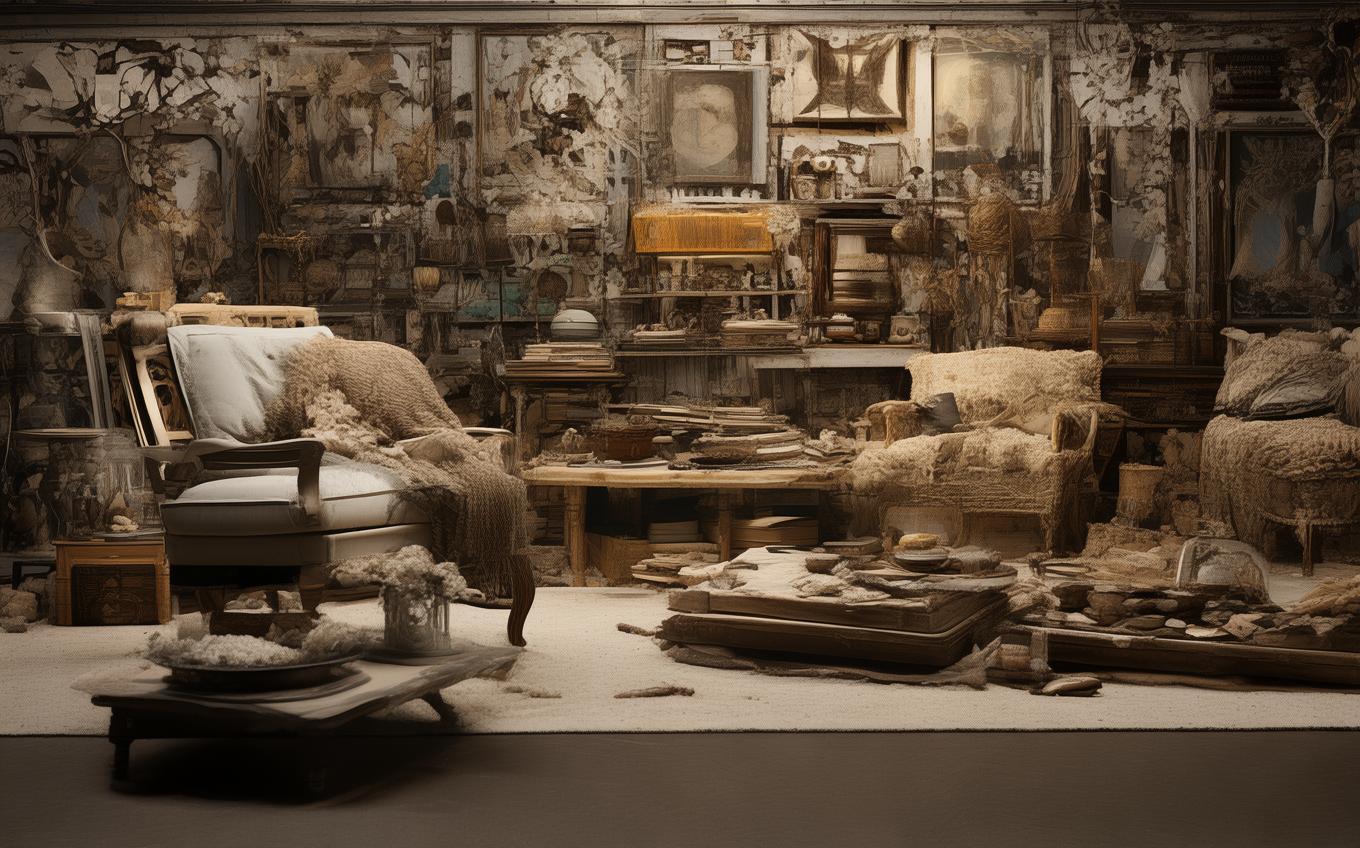
The word 摆设 (bǎishè) most commonly functions as a noun, referring to decorative items or ornaments in a room, on a shelf, or anywhere used to enhance appearance. It carries a slightly formal or literary flavor and is often used when describing home decor, traditional Chinese furniture arrangements, or collectibles.
Less frequently, 摆 and 设 can appear as a separable verb phrase meaning "to arrange and set up (furniture, exhibits, etc.)". In this case, you might see 摆...设... in a sentence (e.g., 摆好了设坛 "set up an altar properly"), but this usage is rarer in modern colloquial speech. Here, we focus on the noun form. -
Character Breakdown:
- 摆 (bǎi): to put, to place, to arrange, to display. It implies an intentional placement of objects in a certain order or position.
- 设 (shè): to set up, to establish, to found. It suggests creating an arrangement or installation with a purpose.
Together, 摆设 literally refers to things that have been deliberately arranged and set up, often for aesthetic effect.
3. Example Sentences
-
Chinese: 客厅里的摆设虽然简单,却很有品味。
Pinyin: Kètīng lǐ de bǎishè suīrán jiǎndān, què hěn yǒu pǐnwèi.
English: The ornaments in the living room, though simple, are very tasteful. -
Chinese: 这些陶瓷小人儿只是摆设,不要拿来玩。
Pinyin: Zhèxiē táocí xiǎorénr zhǐ shì bǎishè, bùyào ná lái wán.
English: These little ceramic figurines are just for display; don't play with them. -
Chinese: 他收藏了很多古董,屋子里到处都是珍贵的摆设。
Pinyin: Tā shōucáng le hěnduō gǔdǒng, wūzi lǐ dàochù dōu shì zhēnguì de bǎishè.
English: He collects many antiques, and the room is full of precious decorative objects.
Cultural Notes
In traditional Chinese homes, 摆设 (bǎishè) often goes beyond mere decoration. Certain objects like vases, jade carvings, or calligraphy scrolls are chosen not only for beauty but also for their auspicious meanings. For example, a pair of elephant statues may be placed near the entrance to symbolize peace and good luck. The arrangement of these items follows principles of feng shui and harmony, making 摆设 an expression of cultural values and personal taste. In modern times, the word is also used in a slightly sarcastic way to describe a person who holds a position but has no real power — a "figurehead" — as in "他就是个摆设" (He's just a figurehead).
Conclusion
Remember 摆设 (bǎishè) as a collective term for decorative objects that are placed to beautify a space, not for practical use. Think of anything on a mantelpiece, a display cabinet, or a museum shelf that exists primarily to be looked at. Keeping the character meanings in mind — "arrange" and "set up" — will help you recall that these items are deliberately displayed.
Sources and Further Reading
Dictionary links are provided for independent reference. Example sentences and learning notes on this page are educational explanations rather than dictionary quotations.


Comments (0)
No comments yet. Be the first to comment!