1. Basic Information
- Word: 拜年
- Pinyin: bàinián
- Literal Meaning: “pay respect to the year” / “visit the year”
- Primary Meaning: to pay a New Year’s visit; to extend New Year greetings (usually during Chinese New Year / Spring Festival)
2. In-depth Explanation
-
Context and Usage:
拜年 is a key social custom during the Chinese New Year (Spring Festival). It refers to the act of visiting family, relatives, friends, colleagues, or neighbors to express good wishes for the year ahead. The visit usually involves saying auspicious phrases like “新年快乐” (Xīnnián kuàilè, Happy New Year) or “恭喜发财” (Gōngxǐ fācái, Wishing you prosperity).
While the core meaning is “pay a New Year’s visit,” the word also implies the act of wishing someone a happy new year, even if done via phone calls, video messages, or text. However, traditionally it strongly emphasizes face-to-face visits.
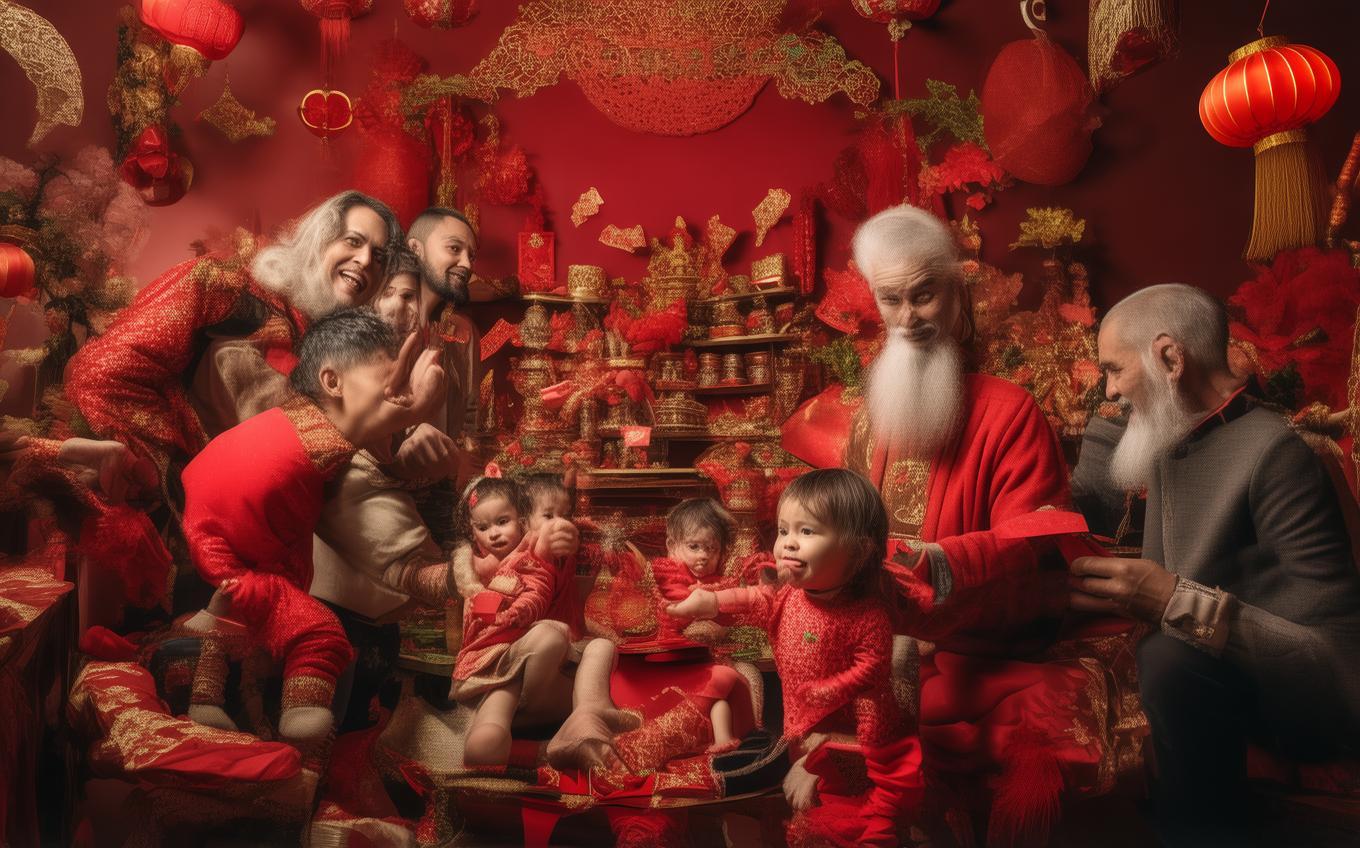
There is a sense of hierarchy and warmth embedded in the practice: younger people usually visit elders to show respect and receive blessings (and often red envelopes), while peers exchange mutual greetings. The verb is often used with verbs like 去 (qù, go) or 给 (gěi, for/to), e.g., “去给爷爷拜年” (go pay a New Year visit to Grandpa). -
Character Breakdown:
- 拜 (bài): This character originally means to bow or prostrate oneself as a form of respect, worship, or greeting. In modern usage, it signifies paying respects, making a formal visit, or congratulating someone.
- 年 (nián): Means “year.” In the context of 拜年, it refers specifically to the lunar new year period.
Together, 拜年 conveys the ritual of respectfully marking the new year by visiting and greeting people.
3. Example Sentences
-
Chinese: 春节期间,我们会去亲戚家拜年。
Pinyin: Chūnjié qījiān, wǒmen huì qù qīnqi jiā bàinián.
English: During the Spring Festival, we visit relatives’ homes to pay New Year’s greetings. -
Chinese: 孩子们给长辈拜年后,收到了红包。
Pinyin: Háizimen gěi zhǎngbèi bàinián hòu, shōudào le hóngbāo.
English: After the children paid their New Year’s visit to the elders, they received red envelopes. -
Chinese: 虽然没见面,他通过视频给朋友们拜年了。
Pinyin: Suīrán méi jiànmiàn, tā tōngguò shìpín gěi péngyoumen bàinián le.
English: Although they didn’t meet in person, he extended New Year greetings to his friends via video call.
Cultural Notes
拜年 is not just a casual “hello”; it’s a deeply rooted tradition tied to family unity, respect for elders, and renewal of social bonds. Traditionally, people dress in new clothes, bring gifts (fruit, sweets, etc.), and use polite language. Children often kneel or bow, though in modern times a slight bow and warm words may suffice. The first few days of the new year are considered especially important for 拜年, with the second day often being the day for visiting maternal relatives.
A fun linguistic note: the phrase “拜个早年” (bài ge zǎonián) means “to pay an early New Year’s visit” — people say it when greeting someone a few days before the new year actually starts. It shows the richness and flexibility of the custom.
Conclusion
To remember 拜年 (bàinián), think of the act of respectfully “visiting the year” by offering kind wishes. It’s a central part of Chinese New Year culture, blending language, social ritual, and heartfelt connection. When you hear or see it, now you’ll know it’s much more than just saying “Happy New Year” — it’s about showing up, showing respect, and sharing joy for the year to come.
Sources and Further Reading
Dictionary links are provided for independent reference. Example sentences and learning notes on this page are educational explanations rather than dictionary quotations.



Comments (0)
No comments yet. Be the first to comment!