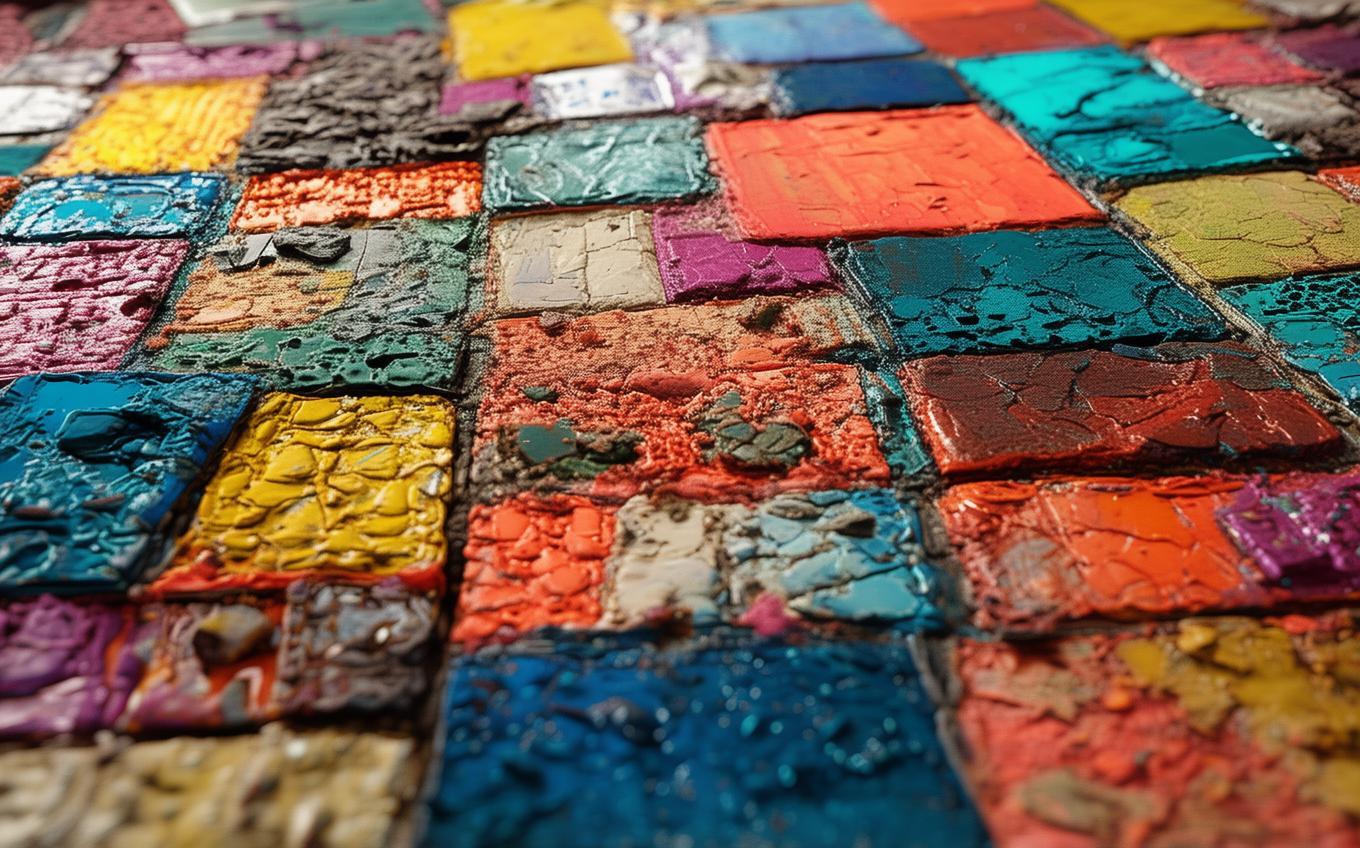
Understanding "斑纹" - Chinese Word Explanation
1. Basic Information
- Word: 斑纹
- Pinyin: bān wén
- Literal Meaning: spot/stripe pattern
- Primary Meaning: Markings, such as stripes, spots, or mottled patches, especially those found on animals, insects, or natural surfaces; a pattern of contrasting colours or textures.
2. In-depth Explanation
-
Context and Usage:
"斑纹" is a noun used to describe the distinct, often natural, patterns created by spots, stripes, or irregular patches of colour or texture. It is most commonly applied to the coats of animals (e.g., tiger stripes, leopard spots, zebra stripes), the wings of butterflies, the skin of reptiles, or even the surface of stones and wood. The word implies a non-uniform, mottled distribution that forms a recognisable design.
It differs from "花纹" (huāwén), which refers generally to any decorative or floral pattern, and from "条纹" (tiáowén), which specifically means "stripes" (regular lines). "斑纹" carries a sense of organic, irregular, or naturally occurring patchiness. It is rarely used for completely solid colours or highly geometric human-made patterns unless those patterns imitate animal markings. -
Character Breakdown:
- 斑 (bān): This character means "spot", "speckle", "stripe", or "mottled". It often appears in words related to mixed colours or marks (e.g., 斑点 bāndiǎn – speckle; 雀斑 quèbān – freckle; 斑马 bānmǎ – zebra, literally "striped horse").
- 纹 (wén): This character means "line", "pattern", "texture", or "grain" (as in wood grain). It is used for lines and designs that form a surface pattern (e.g., 指纹 zhǐwén – fingerprint; 纹理 wénlǐ – texture).
Together, "斑纹" literally paints the picture of a "spot/stripe pattern" – a texture or design formed by blotches or streaks.
3. Example Sentences
-
Chinese: 老虎身上的斑纹有助于它在丛林中隐藏自己。
Pinyin: Lǎohǔ shēnshang de bānwén yǒuzhù yú tā zài cónglín zhōng yǐncáng zìjǐ.
English: The tiger's markings help it hide in the jungle. -
Chinese: 这只蝴蝶的翅膀上有蓝黑相间的美丽斑纹。
Pinyin: Zhè zhī húdié de chìbǎng shàng yǒu lán hēi xiāngjiàn de měilì bānwén.
English: This butterfly has beautiful blue and black markings on its wings. -
Chinese: 岩石表面布满了不规则的斑纹,像是大自然的画作。
Pinyin: Yánshí biǎomiàn bùmǎn le bù guīzé de bānwén, xiàng shì dàzìrán de huàzuò.
English: The surface of the rock is covered with irregular markings, like a painting by nature.
Cultural Notes
In Chinese, the boundary between decorative and natural patterns is clearly marked by word choice. "斑纹" is firmly in the natural realm – it is the word a zoologist would use for a giraffe’s patches or a snake’s mottled skin. While traditional Chinese art has a long history of admiring and stylising animal patterns (think of the dragon’s scales or the tiger’s stripes), "斑纹" itself remains a neutral, descriptive term. Interestingly, the character "斑" also appears in "雀斑" (freckles), linking the idea of natural skin spots to animal patterns, which can help learners remember the word’s biological and organic feel.
Conclusion
"斑纹" is the go-to word for the stripes, spots, and mottled patterns we see on animals, insects, and natural surfaces. Think of it as "nature’s design" – not a smooth, man-made pattern, but an irregular, often camouflage-like marking. Break it down: "斑" (spot/stripe) + "纹" (pattern) = a pattern made of spots and stripes.
Sources and Further Reading
Dictionary links are provided for independent reference. Example sentences and learning notes on this page are educational explanations rather than dictionary quotations.



Comments (0)
No comments yet. Be the first to comment!