
1. Basic Information
- Word: 半路
- Pinyin: bàn lù
- Literal Meaning: half road / half way
- Primary Meaning: midway; halfway; on the way (often implying an interruption or incomplete journey)
2. In-depth Explanation
Context and Usage
半路 (bàn lù) is an adverb or noun used to describe an action or event that occurs in the middle of a journey, process, or ongoing activity. It often carries a nuance of suddenness or interruption — something happens unexpectedly while you are “on the way,” either literally or figuratively. You can use it for physical travel, but it is also very common in metaphorical contexts, such as quitting a task halfway through, encountering a problem in the middle of a project, or meeting someone unexpectedly while going somewhere.
Some typical patterns:
- 在半路 (zài bàn lù) — at the halfway point, on the way
- 半路 + verb — doing something midway
- 半路出家 (bàn lù chū jiā) — an idiom meaning to switch to a new profession or lifestyle later in life (literally “leave home to become a monk halfway through life”)
Character Breakdown
- 半 (bàn): half; semi-; incomplete. This character indicates that something has not been completed or only partially done.
- 路 (lù): road; path; journey. Refers to a physical road or a course of action.
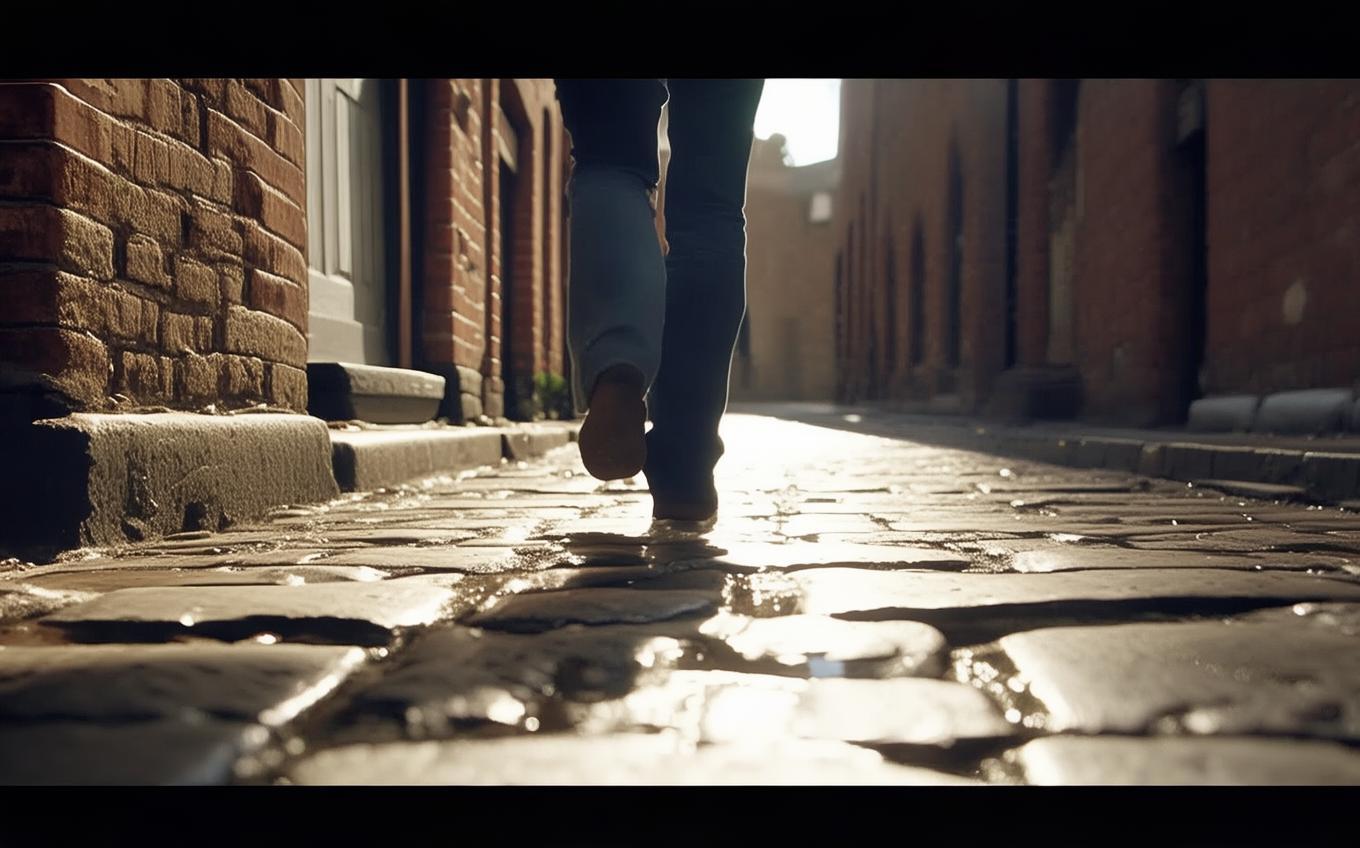
Together, they literally paint a picture of being “halfway along the road.” The image is powerful because it suggests you have already started moving toward a destination or goal, but you haven’t reached the end yet — and something happens at this midpoint.
3. Example Sentences
- Chinese: 我走到半路才发现忘记带手机。
- Pinyin: Wǒ zǒu dào bàn lù cái fāxiàn wàngjì dài shǒujī.
-
English: I was already halfway there when I realized I had forgotten to bring my cell phone.
-
Chinese: 他半路改变主意,不想去爬山了。
- Pinyin: Tā bàn lù gǎibiàn zhǔyì, bù xiǎng qù pá shān le.
-
English: He changed his mind midway and no longer wanted to go hiking.
-
Chinese: 那辆公共汽车半路抛锚,乘客只好下车步行。
- Pinyin: Nà liàng gōnggòng qìchē bàn lù pāomáo, chéngkè zhǐhǎo xià chē bùxíng.
- English: The bus broke down halfway, so the passengers had to get off and walk.
Cultural Notes (if applicable)
The idiom 半路出家 (bàn lù chū jiā) is a very common expression derived from the idea of 半路. Originally it referred to someone who decided to become a Buddhist monk or nun not from childhood but in the middle of their life. In modern Chinese, it describes anyone who changes careers or starts a completely new field of study later in life — a “midlife career changer.” It carries a slight nuance that the person may lack the solid foundation of someone who started from the beginning, but it can also convey respect for courage and adaptability.
Conclusion
Remember 半路 (bàn lù) as “halfway on the road.” Use it when something happens in the middle of a trip, an activity, or a plan — especially when that something is unexpected, causes a change, or interrupts the flow. The image of being on a road half-traveled makes this word very intuitive and useful for both literal and figurative situations.
Sources and Further Reading
Dictionary links are provided for independent reference. Example sentences and learning notes on this page are educational explanations rather than dictionary quotations.


Comments (0)
No comments yet. Be the first to comment!