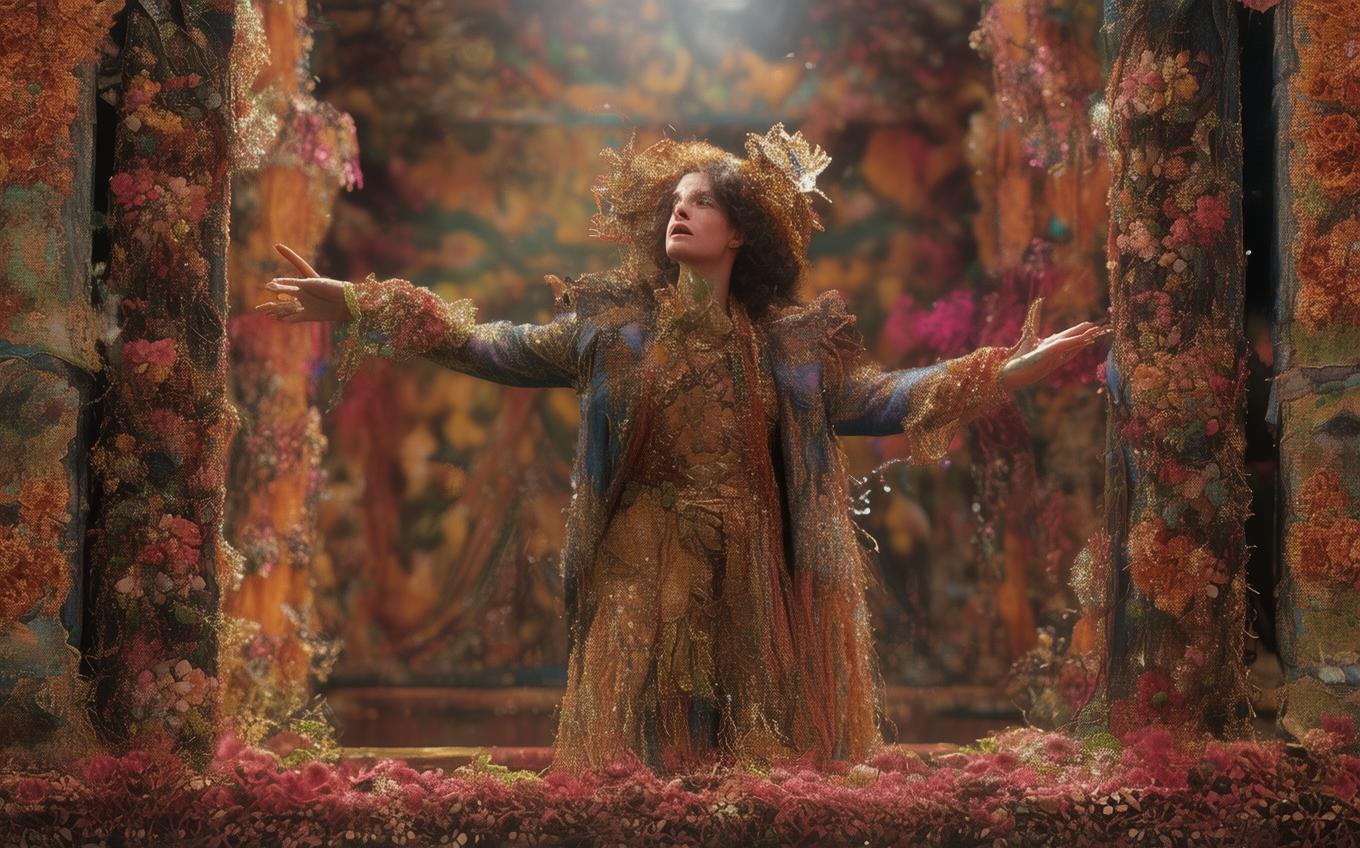
1. Basic Information
- Word: 扮演
- Pinyin: bàn yǎn
- Literal Meaning: "dress up" + "develop/evolve"
- Primary Meaning: to play (a role), to act (as a character), to portray
2. In-depth Explanation
-
Context and Usage:
"扮演" is a verb used when someone takes on a role, whether in theater, film, television, or in a metaphorical sense in real life. It emphasizes the act of performing a character or function. While it can be used for literal acting, it is also common in everyday language to describe someone acting as a particular type of person, such as "扮演好父亲的角色" (play the role of a good father). Unlike the simple word "演" (yǎn, to perform), "扮演" specifically highlights assuming a role, often with deliberate effort or temporary nature. It does not imply pretending in a negative way; it can be neutral or positive. -
Character Breakdown:
- 扮 (bàn): This character means "to dress up," "to disguise oneself as," or "to play the part of." It carries the sense of putting on an appearance or costume.
- 演 (yǎn): This means "to develop," "to evolve," or "to perform" (as in acting). It suggests unfolding a role through actions and speech.
Together, the two characters reinforce the idea of adopting an appearance and bringing a character to life.
3. Example Sentences
-
Chinese: 他在电影中扮演了一位勇敢的警察。
Pinyin: Tā zài diànyǐng zhōng bànyǎn le yí wèi yǒnggǎn de jǐngchá.
English: He played a brave police officer in the movie. -
Chinese: 在这个项目中,我扮演着沟通协调的角色。
Pinyin: Zài zhège xiàngmù zhōng, wǒ bànyǎn zhe gōutōng xiétiáo de juésè.
English: In this project, I play the role of communication coordinator. -
Chinese: 父母应该为孩子扮演好榜样。
Pinyin: Fùmǔ yīnggāi wèi háizi bànyǎn hǎo bǎngyàng.
English: Parents should play the role of a good example for their children.
Cultural Notes
In Chinese performing arts, from traditional operas like Peking opera (京剧, Jīngjù) to modern TV dramas, the concept of "扮演" is central. Historically, actors would not only act but also meticulously apply makeup and costumes to fully transform into a role, which corresponds perfectly to the meaning of "扮". In a broader cultural sense, Chinese society often emphasizes the importance of "扮演好自己的角色" (playing one's own role well), reflecting a Confucian value of fulfilling one's duties in the family and society. This phrase is commonly used in motivational and parenting contexts.
Conclusion
Remember that "扮演" combines the ideas of dressing up and performing a character, making it the go-to word for playing a role on stage, screen, or in life. When you need to talk about assuming a role purposefully and temporarily, think of "bànyǎn" as your tool to express that act of portrayal.
Sources and Further Reading
Dictionary links are provided for independent reference. Example sentences and learning notes on this page are educational explanations rather than dictionary quotations.



Comments (0)
No comments yet. Be the first to comment!