1. Basic Information
- Word: 包装
- Pinyin: bāo zhuāng
- Literal Meaning: "to wrap" + "to adorn / dress up"
- Primary Meaning: packaging, wrapping (noun); to pack, to wrap, to package (verb). Figuratively, it also means to present a person, product, or idea in an attractive or carefully crafted way (image packaging).
2. In-depth Explanation
Context and Usage
The word 包装 is very common in everyday Chinese and appears in both concrete and abstract contexts.
-
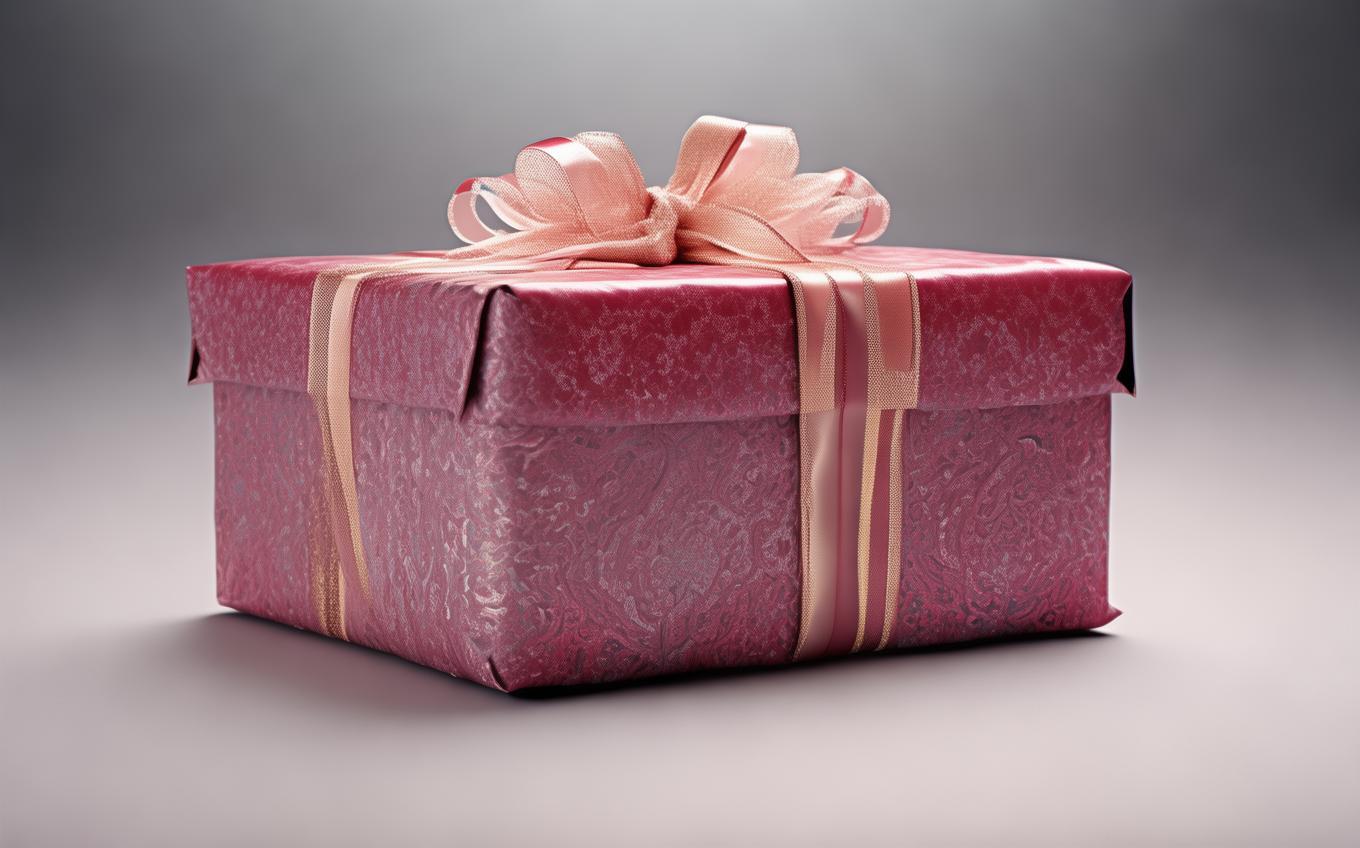
Physical packaging – It refers to the box, wrapper, container, or material used to enclose a product or a gift. For example, you can talk about the 包装 of food, cosmetics, electronics, or a present.
-
The act of wrapping – As a verb, 包装 means to pack something up, to wrap a gift, or to place items into packaging. In this sense, it is often interchangeable with just the verb 包 (bāo), but 包装 can sound more formal or emphasise the process of preparing proper packaging.
-
Figurative / image packaging – In media, marketing, and entertainment, 包装 refers to the practice of shaping a person’s public image or "rebranding" a product. A celebrity, a politician, or even an ordinary job applicant might undergo 包装 to appear more appealing to the public. This usage carries a slightly strategic or commercial nuance — it’s about presentation, sometimes implying a polished or manufactured image.
Nuance: When used literally, 包装 is neutral. In figurative use, it can be positive (a well-designed image) or slightly negative, hinting that the surface is more attractive than the reality inside (like “packaging over substance”).
Character Breakdown
-
包 (bāo): The character originally depicted a placenta enclosing a fetus, conveying the core idea of "wrapping, enveloping". Today it means "to wrap", "bag", "bundle", or "to include". It appears in words like 包裹 (bāoguǒ, parcel) and 包子 (bāozi, steamed stuffed bun).
-
装 (zhuāng): This character combines 壮 (zhuàng, strong/robust) and 衣 (yī, clothing), giving the meaning "to adorn, to dress, to pretend, to load". It appears in 假装 (jiǎzhuāng, to pretend), 服装 (fúzhuāng, clothing), and 安装 (ānzhuāng, to install). In 包装, it adds the sense of dressing something up or preparing it attractively.
Together, 包装 literally suggests wrapping something and giving it an attractive or finished appearance — exactly what packaging does.
3. Example Sentences
-
Chinese: 这个产品的包装很精美。
Pinyin: Zhè ge chǎnpǐn de bāozhuāng hěn jīngměi.
English: The packaging of this product is very exquisite. -
Chinese: 请帮我把礼物包装一下。
Pinyin: Qǐng bāng wǒ bǎ lǐwù bāozhuāng yíxià.
English: Please help me wrap the gift. -
Chinese: 经纪公司精心包装这位新歌手。
Pinyin: Jīngjì gōngsī jīngxīn bāozhuāng zhè wèi xīn gēshǒu.
English: The talent agency carefully packages this new singer’s image.
Cultural Notes
In Chinese culture, 包装 carries some interesting connotations. Gift wrapping is extremely important — the way you 包装 a gift reflects your care and respect for the recipient. However, certain colours are usually avoided: white wrapping paper is associated with funerals and bad luck, while red and gold are considered auspicious.
In the business and entertainment world, the concept of 包装 has become almost an art form. You may hear the saying “人靠衣装,佛靠金装” (rén kào yī zhuāng, fó kào jīn zhuāng) — "a person needs fine clothes just as a Buddha statue needs gold gilding", highlighting the value of outward presentation. For pop idols and actors, 包装 often involves styling, public relations training, and carefully crafted social media presence. The term captures China’s rapid modernisation in advertising and celebrity culture, where image crafting is both celebrated and sometimes criticised for being superficial.
Conclusion
Remember 包装 (bāo zhuāng) as the all-in-one word for "packaging". It covers the physical box your phone comes in, the act of wrapping a birthday present, and the glittering image of a pop star on a billboard. Whether you’re shopping, giving a gift, or talking about media, 包装 is the word that wraps everything up neatly.
Sources and Further Reading
Dictionary links are provided for independent reference. Example sentences and learning notes on this page are educational explanations rather than dictionary quotations.


Comments (0)
No comments yet. Be the first to comment!