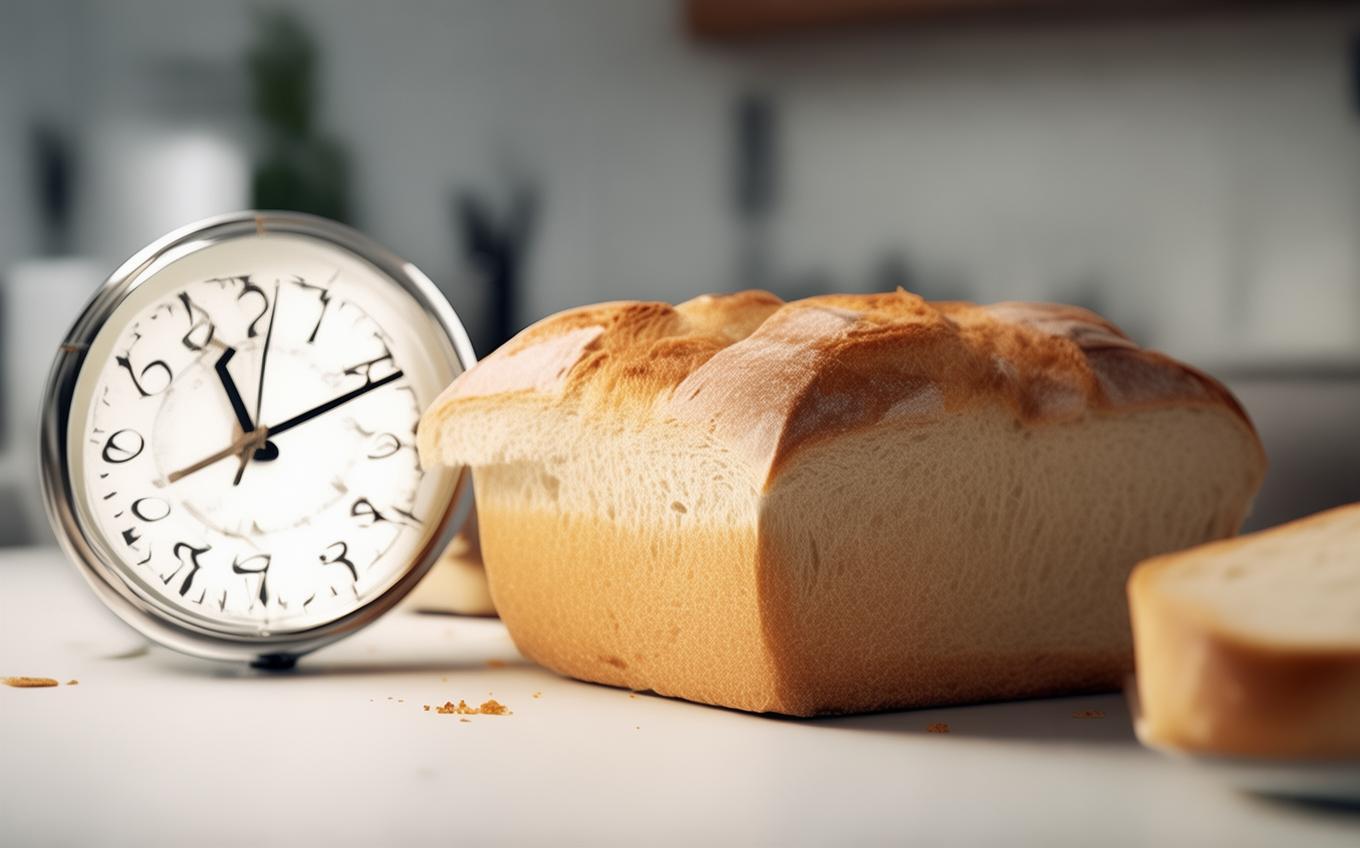
1. Basic Information
- Word: 保质期
- Pinyin: bǎo zhì qī
- Literal Meaning: "guarantee quality period"
- Primary Meaning: shelf life; expiration date; best-before date (the time span during which a product is guaranteed to retain its intended quality, safety, and efficacy)
2. In-depth Explanation
- Context and Usage:
保质期 is an essential term in everyday Chinese, especially when shopping for food, beverages, medicine, cosmetics, and other perishable or time-sensitive goods. It is legally required to be displayed on the packaging of most consumer products in China. The term refers to the period during which the manufacturer guarantees that the product will remain in optimal condition under proper storage conditions. After this date, the product may not be unsafe, but its quality, taste, potency, or effectiveness can no longer be assured.
In practice, 保质期 functions similarly to the English concepts of "best before," "use by," or "expiration date," but it tends to be treated as a strict cut-off by Chinese consumers and regulators. The word is a noun and is often used with verbs like 检查 (check), 看 (look at), 过了 (passed / exceeded), or 是 (is). For example, you can ask a shop assistant "这个的保质期到什么时候?" (Until when is the shelf life of this?). Note that 保质期 is distinct from 生产日期 (production date), though the two are frequently found near each other on labels. Sometimes a product will state the 保质期 as a number of months or years from the production date, or it will give a clear end date (e.g., 保质期至 2026-05-20).
No major regional variations in meaning exist, but you might encounter the less common term 保存期 (storage period) which can overlap, though 保质期 is the standard and legally defined term.
- Character Breakdown:
- 保 (bǎo): to protect, to guarantee, to maintain. It appears in words like 保险 (insurance), 保证 (guarantee), and 保持 (keep / maintain). Here it conveys the manufacturer's promise.
- 质 (zhì): quality, substance, nature. Found in 质量 (quality), 实质 (essence), and 物质 (matter). It focuses on the intrinsic character of the product.
- 期 (qī): a period of time, a scheduled date, or a phase. Seen in 日期 (date), 学期 (semester), and 期限 (deadline). It indicates the time span or endpoint.
Together, they literally form "the period during which quality is guaranteed," a concept that maps cleanly onto "shelf life."
3. Example Sentences
-
Chinese: 请检查食品的保质期。
Pinyin: Qǐng jiǎnchá shípǐn de bǎo zhì qī.
English: Please check the shelf life of the food. -
Chinese: 这瓶牛奶已经过了保质期。
Pinyin: Zhè píng niúnǎi yǐjīng guòle bǎo zhì qī.
English: This bottle of milk has already passed its expiration date. -
Chinese: 这种药的保质期是三年。
Pinyin: Zhè zhǒng yào de bǎo zhì qī shì sān nián.
English: The shelf life of this medicine is three years.
Cultural Notes
In China, people tend to be highly vigilant about 保质期 due to past food safety scandals. It is common to see shoppers carefully inspecting the date on every item before purchasing, and offering expired goods as gifts can be a serious social faux pas. The phrase 保质期至 (shelf life until…) followed by a date is a standard labeling format. Interestingly, some products, like certain white liquors (白酒), aged vinegar, or pu-erh tea, are perceived to improve with time and may be labeled "无保质期" (no shelf life) or be exempt from the rule under specific regulations. In daily conversation, the concept is so ingrained that people might extend the metaphor, saying "友谊的保质期" (the shelf life of friendship) to describe a relationship that won't last. Always remember that dates are given in the Gregorian calendar (year-month-day).
Conclusion
保质期 (bǎo zhì qī) is a three-character word that literally means "guaranteed quality period" and is used everywhere to talk about product expiration dates. Remember 保 (guarantee) + 质 (quality) + 期 (period) — the time a product keeps its promised quality. Mastering this word will help you navigate supermarkets, pharmacies, and dinner tables across the Chinese-speaking world.
Sources and Further Reading
Dictionary links are provided for independent reference. Example sentences and learning notes on this page are educational explanations rather than dictionary quotations.



Comments (0)
No comments yet. Be the first to comment!