1. Basic Information
- Word: 爆满
- Pinyin: bào mǎn
- Literal Meaning: burst/explode + full → “bursting full”
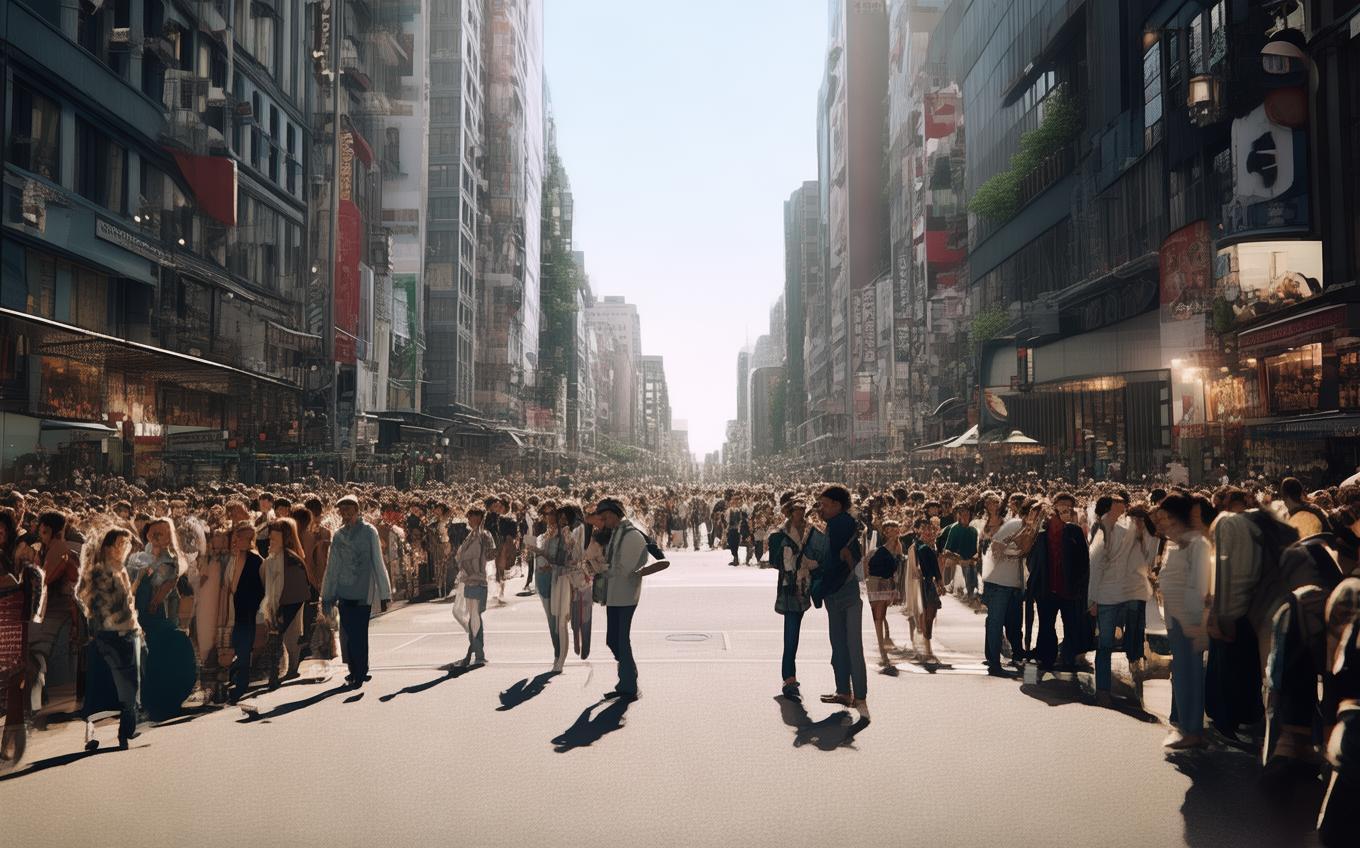
- Primary Meaning: packed to capacity; completely full (usually of people); overflowing; sold out (for events)
2. In-depth Explanation
- Context and Usage:
“爆满” is used to describe a place, event, or service that is absolutely packed with people, beyond ordinary “full”. It carries a sense of overwhelming demand or popularity. You can use it for: - Venues: a concert, a stadium, a cinema, a restaurant
- Transportation: flights, trains (especially during holidays)
- Events or performances: a lecture, a show, a match
- Metaphorically for something extremely popular, like a product selling out instantly.
Nuance: “爆满” emphasizes that not only is every seat taken, but sometimes there are even more people than expected, as if the place is about to burst. It is stronger than just “满 (mǎn, full)” or “满了 (mǎn le, full)”. Think of “packed to the rafters” or “jam-packed”.
- Character Breakdown:
- 爆 (bào) – to explode, burst, pop. It suggests a sudden, forceful release or extreme intensity.
- 满 (mǎn) – full, filled, complete. It refers to saturation or being at maximum capacity.
Together, they create an image of a space so crowded that it feels like it could burst at the seams.
3. Example Sentences
-
Chinese: 演唱会门票开售后秒空,现场座无虚席,真是爆满。
Pinyin: Yǎnchànghuì ménpiào kāishòu hòu miǎo kōng, xiànchǎng zuò wú xū xí, zhēnshi bàomǎn.
English: The concert tickets sold out instantly, and the venue was packed to the last seat — it was absolutely jam-packed. -
Chinese: 春节期间,火车票供不应求,每趟列车都爆满。
Pinyin: Chūnjié qījiān, huǒchē piào gōng bù yìng qiú, měi tàng lièchē dōu bàomǎn.
English: During the Spring Festival, train tickets are in huge demand and every train is completely full. -
Chinese: 这家网红餐厅每天午饭时间都爆满,需要提前一周预约。
Pinyin: Zhè jiā wǎnghóng cāntīng měi tiān wǔfàn shíjiān dōu bàomǎn, xūyào tíqián yī zhōu yùyuē.
English: This internet-famous restaurant is always packed at lunchtime; you need to make a reservation a week in advance.
Cultural Notes
In China, the concept of “爆满” appears frequently in daily life, especially during holidays (like Spring Festival travel rush, or “春运 chūnyùn”) when transportation is notoriously overcrowded. It is also common in advertising to create a sense of popularity — “场场爆满!” (every show packed!) gives the impression that something is a must-see. Unlike the neutral “full”, “爆满” often carries a positive connotation of excitement and high demand, but it can also describe an uncomfortably crowded situation.
Conclusion
To remember “爆满” (bào mǎn), picture a space so packed that it “explodes” with fullness. Use it whenever you want to emphasize that a place or event is not just full, but overwhelmingly, bursting-at-the-seams full. It’s a vivid, high-impact word that will make your Chinese sound more natural and expressive.
Sources and Further Reading
Dictionary links are provided for independent reference. Example sentences and learning notes on this page are educational explanations rather than dictionary quotations.



Comments (0)
No comments yet. Be the first to comment!