Understanding "北京" - Chinese Word Explanation
1. Basic Information
- Word: 北京
- Pinyin: Běijīng
- Literal Meaning: Northern Capital
- Primary Meaning: Beijing, the capital city of the People's Republic of China
2. In-depth Explanation
-
Context and Usage: 北京 (Běijīng) is a proper noun used to refer to China's capital city. It functions exactly as "Beijing" does in English—you can use it as the subject or object of a sentence, or in prepositional phrases indicating location or direction. Because it is a name, it doesn't change form. The word itself carries no added connotations beyond the city, though culturally it represents political power, history, and cultural heritage. In formal contexts, it may appear in terms like 北京市 (Běijīng Shì, "Beijing Municipality") to specify the administrative division. In everyday conversation, it's just the city name.
-
Character Breakdown:
- 北 (běi) – north, northern. This character represents the direction north. It appears in many compound words like 北方 (běifāng, northern region) or 北极 (běijí, the North Pole).
- 京 (jīng) – capital (city). Historically, 京 means a national capital or a great metropolis. It is used in words like 京城 (jīngchéng, "capital city," archaic) and 东京 (Dōngjīng, "Tokyo," literally "Eastern Capital").
Together, 北京 literally means "Northern Capital," a name it received during the Ming dynasty when the capital was moved from 南京 (Nánjīng, "Southern Capital"). The name distinguishes it from other historical capitals like 南京 and 东京 (though the latter now refers to Tokyo, Japan).
3. Example Sentences
- Chinese: 我住在北京。
- Pinyin: Wǒ zhù zài Běijīng.
-
English: I live in Beijing.
-
Chinese: 北京是中国的首都。
- Pinyin: Běijīng shì Zhōngguó de shǒudū.
-
English: Beijing is the capital of China.
-
Chinese: 你去过北京吗?
- Pinyin: Nǐ qù guo Běijīng ma?
- English: Have you ever been to Beijing?
Cultural Notes
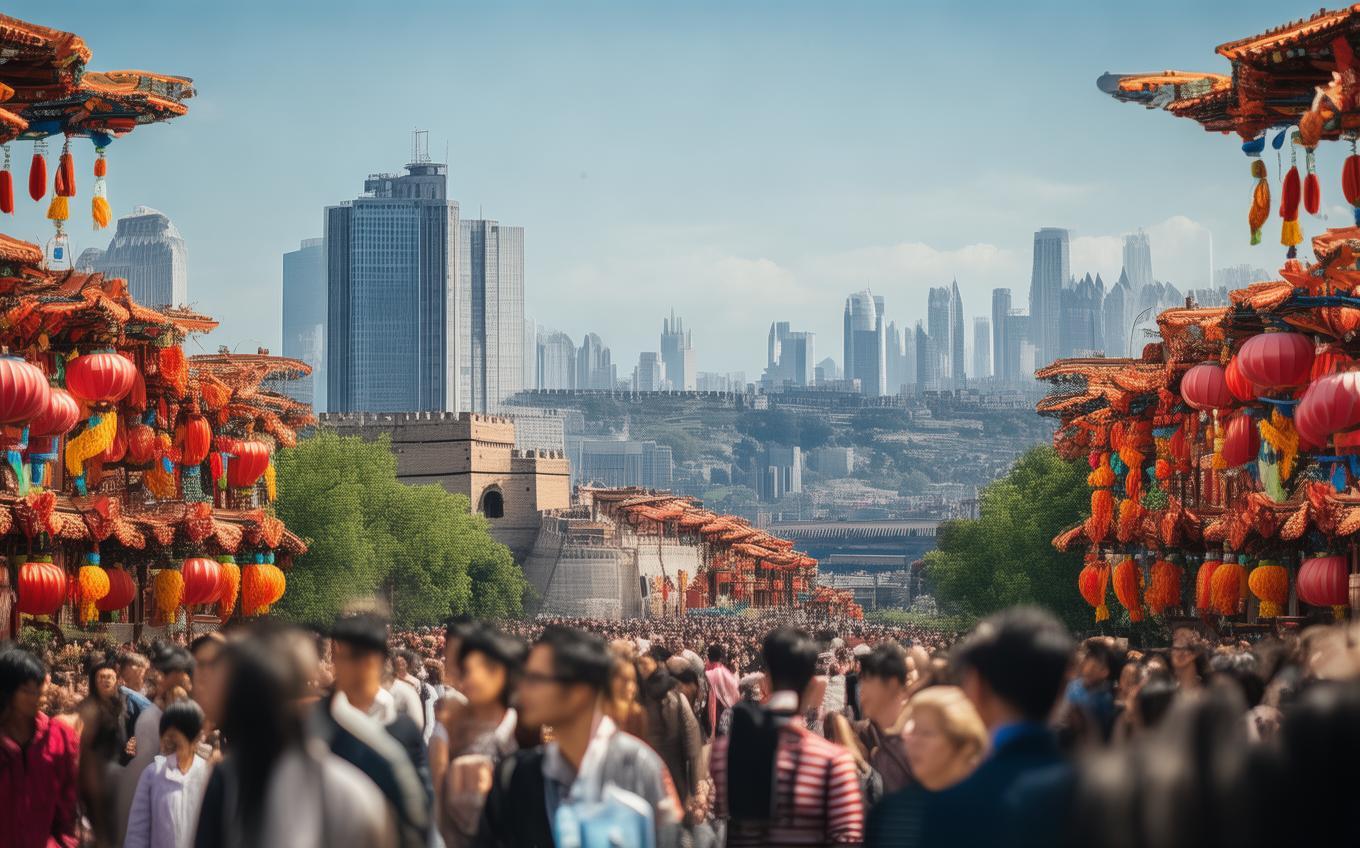
Beijing has been a capital city for much of the past 800 years, serving the Yuan, Ming, and Qing dynasties, and continuing as the capital of modern China. The city is home to world-famous landmarks such as the Forbidden City (故宫, Gùgōng), the Great Wall (长城, Chángchéng) at Badaling, and the Temple of Heaven (天坛, Tiāntán). The name 北京 firmly associates the city with its historical role as the political center in the north. In China, "北京" often symbolizes central authority and cultural orthodoxy, and expressions like "去北京" (go to Beijing) can imply visiting the seat of power or pursuing national-level opportunities in education or arts. The city's dialect, 北京话 (Běijīnghuà), forms the phonological basis of Standard Mandarin (普通话, Pǔtōnghuà).
Conclusion
To remember 北京 (Běijīng), think of it as "North Capital" — 北 (north) + 京 (capital). This name is both literal and historical, referring directly to China's northern capital city. Use it as you would any proper city name in English; it's the standard, formal way to say "Beijing" in Chinese.
Sources and Further Reading
Dictionary links are provided for independent reference. Example sentences and learning notes on this page are educational explanations rather than dictionary quotations.



Comments (0)
No comments yet. Be the first to comment!