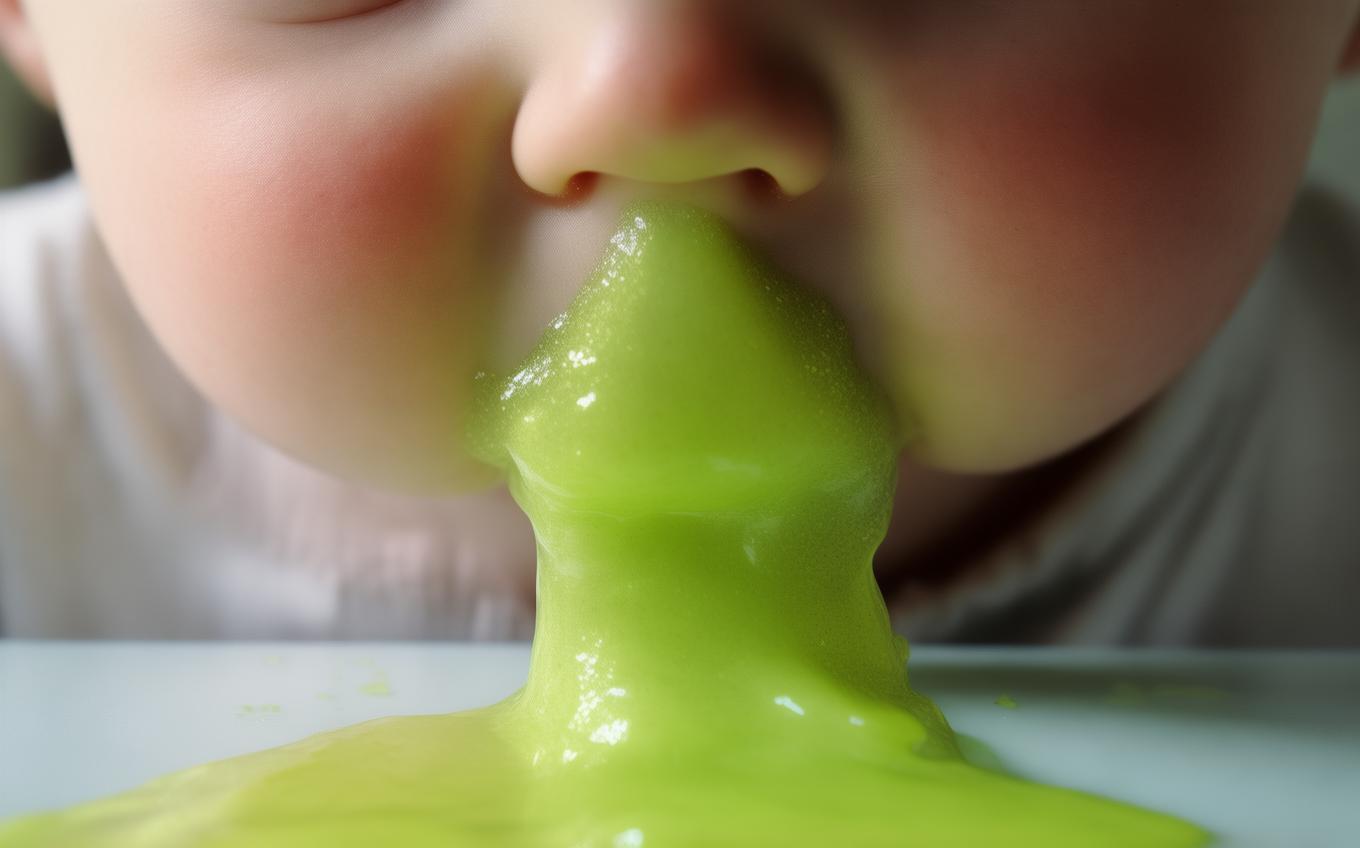
Understanding "鼻涕" - Chinese Word Explanation
1. Basic Information
- Word: 鼻涕
- Pinyin: bítì
- Literal Meaning: nose + liquid/mucus
- Primary Meaning: nasal mucus, snot (informal)
2. In-depth Explanation
-
Context and Usage:
"鼻涕" is the standard, neutral word for nasal mucus in Chinese, used in both everyday casual speech and more formal situations (like describing symptoms to a doctor). It is not considered vulgar, though in very polite or formal writing you might see it replaced by the medical term "鼻腔分泌物" (bíqiāng fēnmìwù – nasal secretion). Children are taught to use a tissue when they have 鼻涕, and it appears in common phrases like 流鼻涕 (liú bítì – to have a runny nose) and 擤鼻涕 (xǐng bítì – to blow one’s nose). The word doesn’t carry the same harsh or immature connotation that "snot" can carry in English; it's simply descriptive. -
Character Breakdown:
- 鼻 (bí): means "nose." This character appears in many nose-related words: 鼻孔 (bíkǒng – nostril), 鼻梁 (bíliáng – bridge of the nose).
- 涕 (tì): historically meant "tears," but in modern Chinese it has shifted almost entirely to mean nasal mucus. The semantic shift happened over centuries; originally, 涕 was the liquid that flows from the eyes, while 泗 (sì) was nasal mucus. Today, 泗 is rarely used outside classical contexts, and 涕 is firmly associated with the nose. You might encounter 涕 in the set expression 涕泗横流 (tì sì héng liú – tears and mucus flowing freely, describing intense crying).
3. Example Sentences
-
Chinese: 我感冒了,一直流鼻涕。
Pinyin: Wǒ gǎnmào le, yīzhí liú bítì.
English: I have a cold and my nose has been running constantly. -
Chinese: 孩子用纸巾擦了擦鼻涕。
Pinyin: Háizi yòng zhǐjīn cā le cā bítì.
English: The child wiped his/her nose with a tissue. -
Chinese: 请把鼻涕擤干净再进教室。
Pinyin: Qǐng bǎ bítì xǐng gānjìng zài jìn jiàoshì.
English: Please blow your nose thoroughly before entering the classroom.
Cultural Notes
In Chinese culture, openly dealing with 鼻涕 is not considered as taboo as it might be in some Western contexts. It’s perfectly normal to see someone blowing their nose in a public restroom or wiping a child’s nose openly. However, like elsewhere, loud nose-blowing at a formal dinner table can be seen as impolite. Interestingly, traditional Chinese medicine connects the production of mucus to imbalances in the body’s qi, so asking about the color or consistency of 鼻涕 (thin/white vs. thick/yellow) can be part of a health inquiry.
Conclusion
Remember: 鼻 (bí) = nose, 涕 (tì) = (now) nasal mucus. Together, 鼻涕 (bítì) is your everyday word for what your nose produces when you have a cold or allergies. Use it naturally, and practice with common collocations like 流鼻涕 (runny nose) and 擤鼻涕 (blow your nose) to sound more fluent.
Sources and Further Reading
Dictionary links are provided for independent reference. Example sentences and learning notes on this page are educational explanations rather than dictionary quotations.


Comments (0)
No comments yet. Be the first to comment!