1. Basic Information
- Word: 碧玉
- Pinyin: bì yù
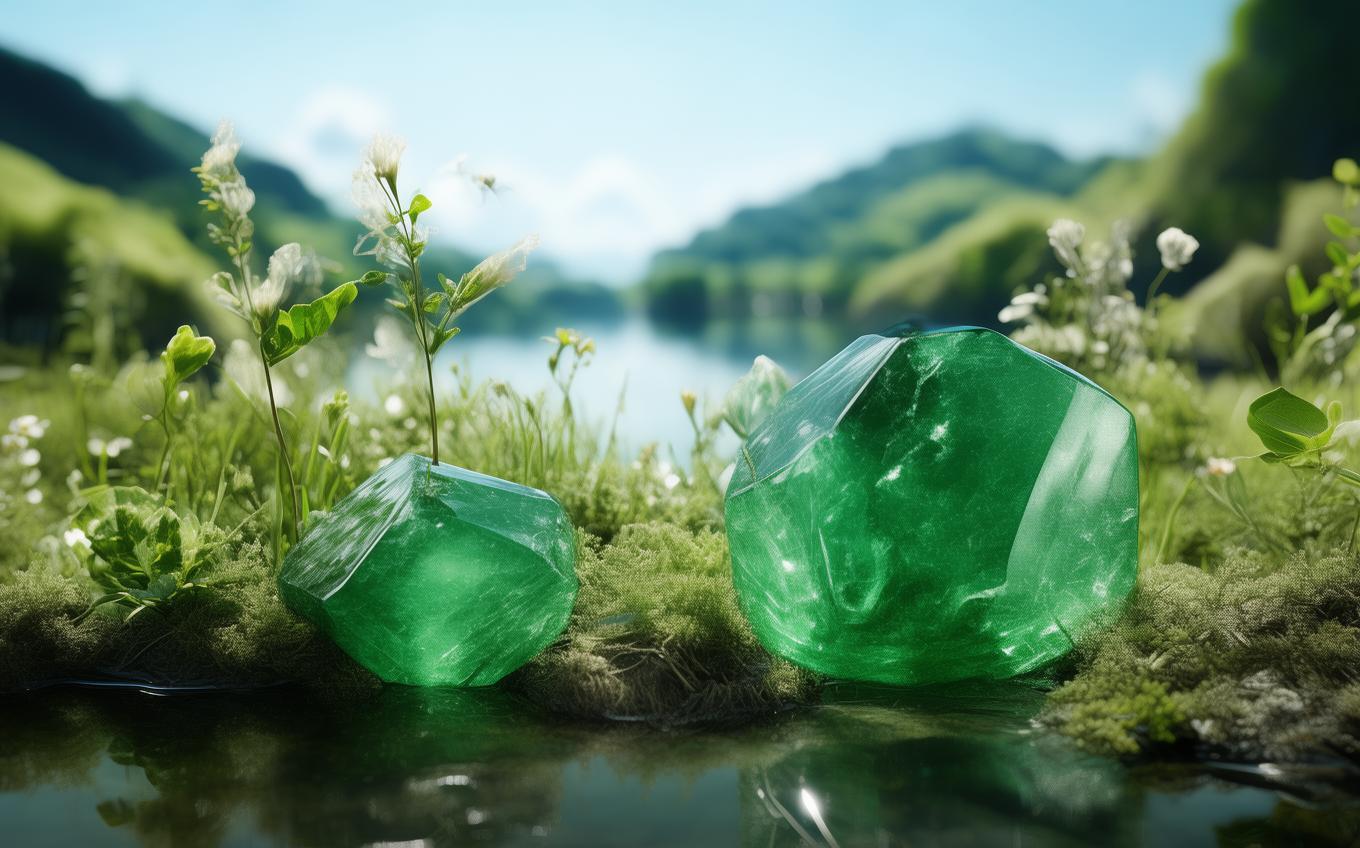
- Literal Meaning: green jade / azure jade
- Primary Meaning: A high-quality, green-colored jade; also used figuratively to refer to a beautiful young woman or something precious and pure.
2. In-depth Explanation
-
Context and Usage:
In Chinese, "碧玉" primarily denotes a specific type of jade — usually nephrite or jadeite — that exhibits a rich green hue. The word is often encountered in contexts related to jewelry, traditional art, or poetic descriptions. Beyond its literal meaning, "碧玉" is a classical metaphor for a lovely young girl. This figurative usage is most famously preserved in the idiom 小家碧玉 (xiǎo jiā bì yù), which describes a pretty daughter from a modest family, emphasizing natural, unadorned charm. Thus, the word can seamlessly shift between describing a tangible gemstone and an intangible quality of beauty and innocence. It carries a refined, literary tone rather than a colloquial one. -
Character Breakdown:
- 碧 (bì): This character combines elements of "jade" (玉) and "white" (白) with a phonetic component, historically meaning "green jade" or "azure stone." It specifically suggests a deep, lustrous green — the color of verdant nature or clear waters.
- 玉 (yù): The general term for "jade," a precious stone highly revered in Chinese culture. By itself, 玉 symbolizes purity, nobility, and perfection.
Together, 碧玉 intensifies the idea of precious green jade, but the "green" (碧) adds a concrete image of vibrant color.
3. Example Sentences
-
Chinese: 这块碧玉雕刻的玉佩非常精美。
Pinyin: Zhè kuài bì yù diāo kè de yù pèi fēi cháng jīng měi.
English: This jade pendant carved from green jade is extremely exquisite. -
Chinese: 她的气质清雅脱俗,宛如一块未经雕琢的碧玉。
Pinyin: Tā de qì zhì qīng yǎ tuō sú, wǎn rú yī kuài wèi jīng diāo zhuó de bì yù.
English: Her temperament is pure, elegant, and unworldly, just like a piece of uncarved green jade. -
Chinese: 那个姑娘是小家碧玉,温柔又可爱。
Pinyin: Nà ge gū niáng shì xiǎo jiā bì yù, wēn róu yòu kě ài.
English: That girl is a pretty maiden from a humble family — gentle and adorable.
Cultural Notes
In Chinese culture, jade is not just a stone but a symbol of moral integrity, beauty, and protection. The term "碧玉" elevates this by emphasizing its color, which echoes spring and vitality. The idiom 小家碧玉 originated from classical poetry and contrasts with 大家闺秀 (dà jiā guī xiù), a refined lady from a prestigious family. While the latter suggests sophistication and high birth, "小家碧玉" praises the fresh, unpolished grace of a commoner’s daughter. This distinction reveals how Chinese language layers social and aesthetic values into a single word.
Conclusion
Remember "碧玉" as the deep green jade that also represents a naturally beautiful young woman — especially one from a simple background. Its poetic flavor makes it more than a gemstone; it’s a compliment wrapped in a gem’s luster. Use it when you want to evoke elegance, purity, and a touch of classical Chinese charm.
Sources and Further Reading
Dictionary links are provided for independent reference. Example sentences and learning notes on this page are educational explanations rather than dictionary quotations.


Comments (0)
No comments yet. Be the first to comment!