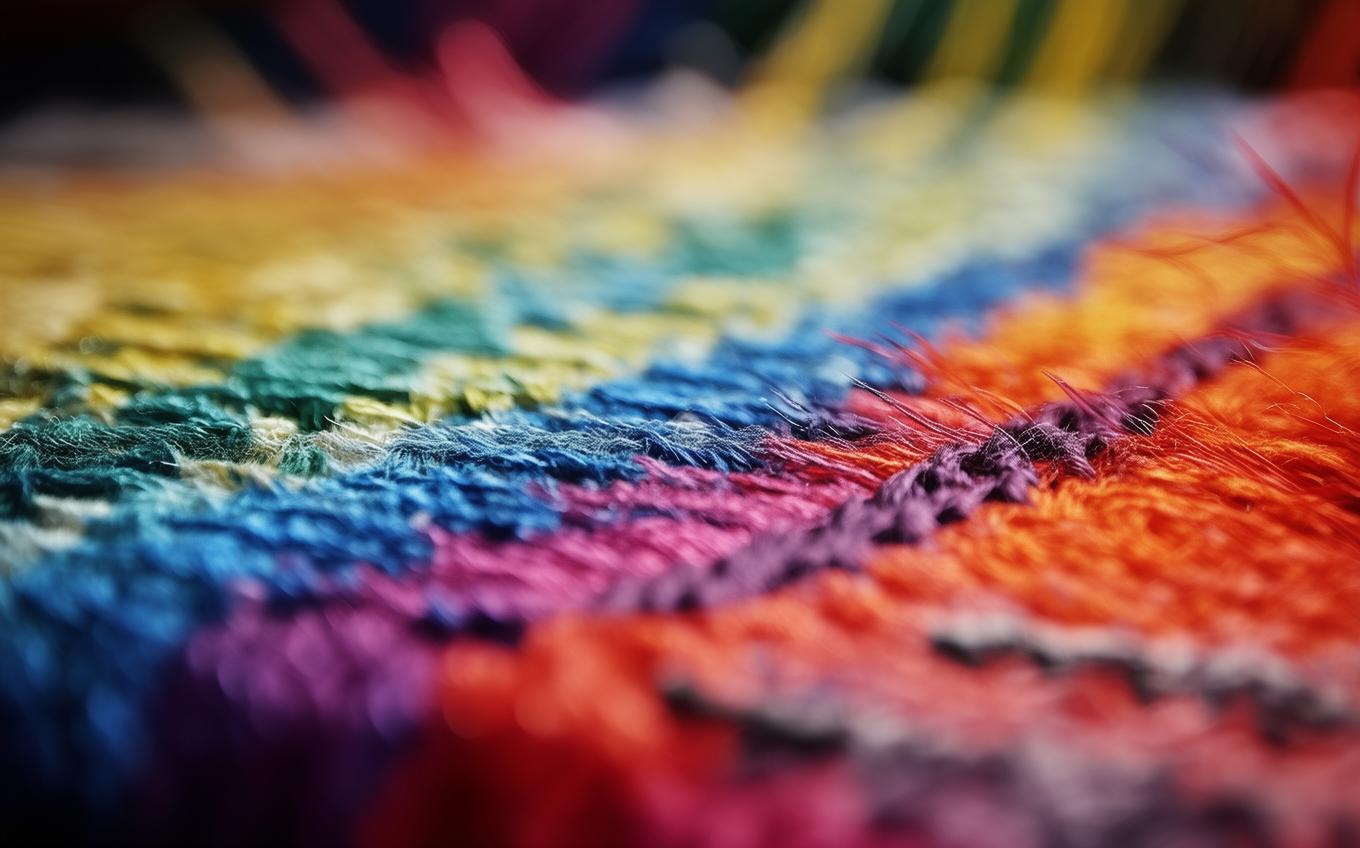
1. Basic Information
- Word: 编织
- Pinyin: biān zhī
- Literal Meaning: to weave / knit / braid
- Primary Meaning: to weave, knit, braid, or interlace threads, fibers, or other strands into a fabric or object; metaphorically, to create or construct something intricate, like a story, dream, or network.
2. In-depth Explanation
-
Context and Usage:
The word 编织 is used both literally and figuratively. In its literal sense, it describes the action of interlacing materials—such as yarn, thread, bamboo strips, or hair—to form cloth, baskets, sweaters, or braids. It is commonly associated with handicrafts like knitting, weaving, crocheting, and braiding.
Metaphorically, 编织 conveys the idea of carefully putting together abstract things, much like weaving threads. You might 编织一个故事 (weave a story), 编织梦想 (weave dreams), or 编织人际关系网 (weave a network of relationships). The nuance is one of deliberate, skillful assembly, often with an artistic or creative connotation. -
Character Breakdown:
- 编 (biān): This character means to weave, plait, or braid. It also carries the extended meaning of organizing, compiling, or editing (as in 编辑, editor). The left radical 纟 (silk) hints at its connection to threads.
- 织 (zhī): This character specifically means to weave or knit fabric. Like 编, it contains the silk radical 纟, emphasizing textile production. Together, 编织 reinforces the idea of interlacing to create a unified whole.
3. Example Sentences
-
Chinese: 奶奶正在用毛线编织一条围巾。
Pinyin: Nǎinai zhèngzài yòng máoxiàn biānzhī yì tiáo wéijīn.
English: Grandma is knitting a scarf with wool yarn. -
Chinese: 这位作家善于编织复杂而动人的情节。
Pinyin: Zhè wèi zuòjiā shànyú biānzhī fùzá ér dòngrén de qíngjié.
English: This writer is skilled at weaving complex and touching plots. -
Chinese: 她用彩色的丝线编织了一个精美的手链。
Pinyin: Tā yòng cǎisè de sīxiàn biānzhī le yí ge jīngměi de shǒuliàn.
English: She wove a delicate bracelet using colorful silk threads.
Cultural Notes
In Chinese culture, handcrafts like weaving and knotting carry deep symbolic meaning. For instance, Chinese knotting (中国结) is a form of decorative weaving that represents good fortune, unity, and eternity. The act of 编织 is often associated with patience, care, and the transmission of love—mothers or grandmothers frequently knit sweaters for their children as a token of warmth and affection. The metaphorical use of 编织 also appears in idioms and poetry, highlighting the artistry of creation, whether it’s a tapestry, a narrative, or a life plan.
Conclusion
记住“编织”就是“把线或条状物交错钩连起来”,既可以指实实在在的编织、针织,也可以比喻精心编造故事、梦想或关系。想象一下用两根针和毛线编织毛衣的细心过程,就能抓住这个词的核心——缓慢、巧妙地让分散的线变成有用的整体。 Whether you are knitting a scarf or weaving a tale, 编织 implies turning loose strands into something meaningful and beautiful.
Sources and Further Reading
Dictionary links are provided for independent reference. Example sentences and learning notes on this page are educational explanations rather than dictionary quotations.


Comments (0)
No comments yet. Be the first to comment!