Understanding "鞭炮" - Chinese Word Explanation
1. Basic Information
- Word: 鞭炮
- Pinyin: biān pào
- Literal Meaning: "whip cracker"
- Primary Meaning: a string of small firecrackers tied together, set off to produce a rapid series of loud popping sounds during celebrations
2. In-depth Explanation
-
Context and Usage: 鞭炮 refers specifically to a long string of small, connected firecrackers that crackle in rapid succession once ignited. It is a staple of traditional Chinese celebrations, such as Chinese New Year, weddings, store openings, and temple festivals. The word is usually used in its plural sense, as it describes the entire string rather than a single cracker. When you say “放鞭炮” (set off firecrackers), you typically imagine the continuous noise of many tiny explosions. Compared to 爆竹 (bàozhú), another common word for firecrackers, 鞭炮 more vividly suggests the image of a long, whip-like string (the character 鞭 means "whip") and emphasizes the crackling, chain-reaction effect. While 爆竹 can sometimes refer to a single large firecracker or the general category, 鞭炮 almost always implies a string of small ones.
-
Character Breakdown:
- 鞭 (biān): whip, lash. In this word, it illustrates the appearance of the string of firecrackers — long, flexible, and resembling a whip. It may also evoke the sharp cracking sound.
- 炮 (pào): cannon, large gun; used in compounds to mean firecracker. The character contains the fire radical 火, hinting at explosions. Together, 鞭炮 paints a picture of a ‘whip’ made of firecrackers.
3. Example Sentences
-
Chinese: 春节的时候,中国人喜欢放鞭炮来庆祝新年。
Pinyin: Chūnjié de shíhou, Zhōngguó rén xǐhuan fàng biānpào lái qìngzhù xīnnián.
English: During the Spring Festival, Chinese people like to set off firecrackers to celebrate the New Year. -
Chinese: 他买了一串很长的鞭炮,准备在婚礼上放。
Pinyin: Tā mǎi le yí chuàn hěn cháng de biānpào, zhǔnbèi zài hūnlǐ shàng fàng.
English: He bought a very long string of firecrackers to set off at the wedding. -
Chinese: 城市里禁止燃放鞭炮,因为可能会引起火灾。
Pinyin: Chéngshì lǐ jìnzhǐ ránfàng biānpào, yīnwèi kěnéng huì yǐnqǐ huǒzāi.
English: Setting off firecrackers is prohibited in the city because it could cause fires.
Cultural Notes
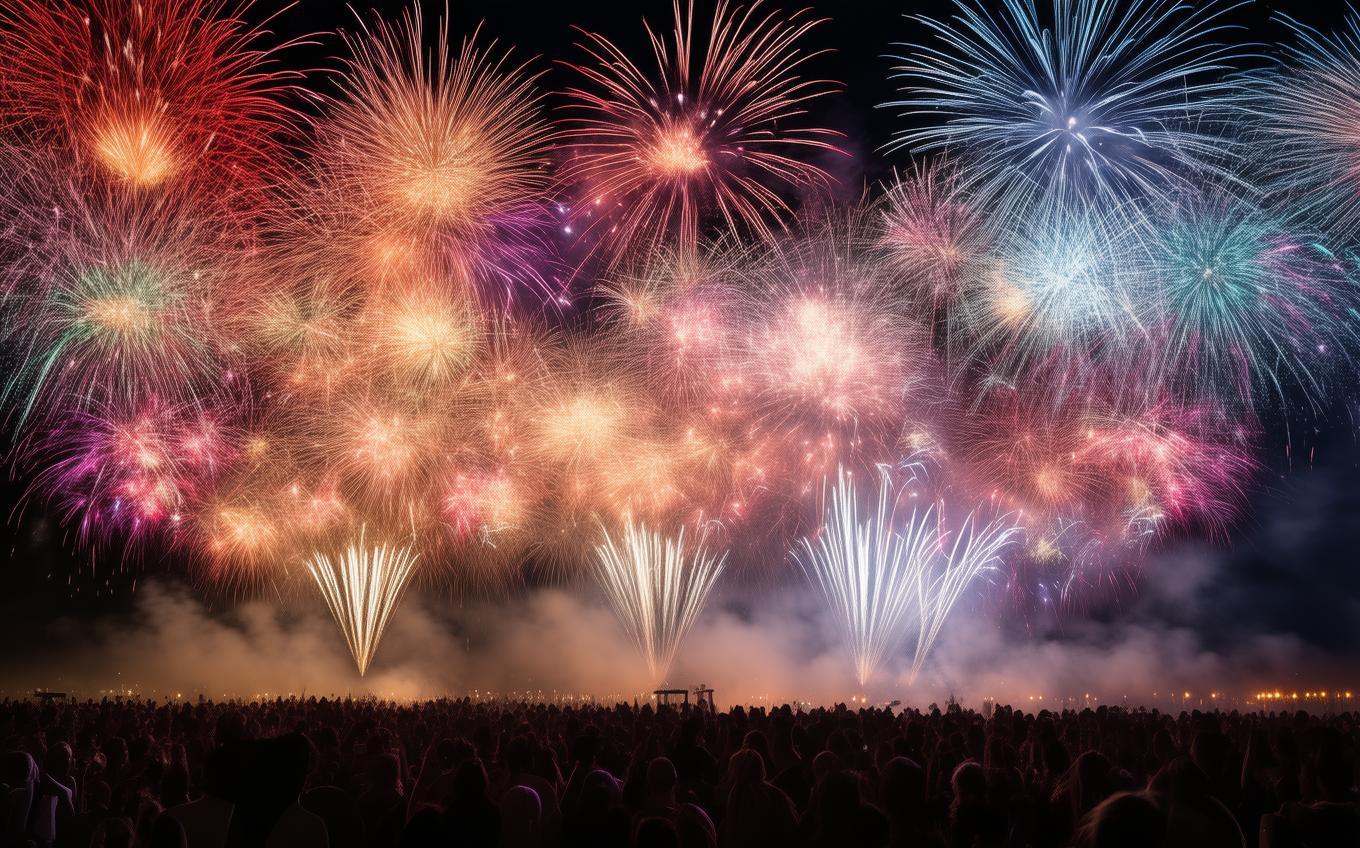
In Chinese tradition, the deafening noise of 鞭炮 is believed to frighten away evil spirits and bad luck, especially the legendary monster 年 (Nián) that would appear at the end of the lunar year. The color red (common on firecracker wrappings) and the explosive sound combine to create a powerful symbol of warding off evil and welcoming good fortune. Over centuries, this practice became essential at joyful gatherings and important life milestones. However, due to safety concerns, air pollution, and noise, many modern Chinese cities now ban or restrict the use of 鞭炮 during festivals, leading some people to use electronic firecrackers or recorded sounds instead. It is also important not to confuse 鞭炮 with 烟花 (yānhuā) — fireworks that shoot into the sky and produce colorful visual displays. While both are used in celebrations, 鞭炮 is all about the rapid, crackling sound at ground level.
Conclusion
鞭炮 (biān pào) is the lively string of small firecrackers that you hear cracking like a whip during Chinese festivities. Remember: the character 鞭 recalls a whip, and 炮 marks the explosion — together, they capture the rapid-fire sound and shape of this iconic celebration tool. Use it when talking about setting off firecrackers in a chain, and you’ll sound right at home in Chinese cultural contexts.
Sources and Further Reading
Dictionary links are provided for independent reference. Example sentences and learning notes on this page are educational explanations rather than dictionary quotations.


Comments (0)
No comments yet. Be the first to comment!