1. Basic Information
- Word: 便饭
- Pinyin: biàn fàn
- Literal Meaning: "convenient meal" or "casual meal"
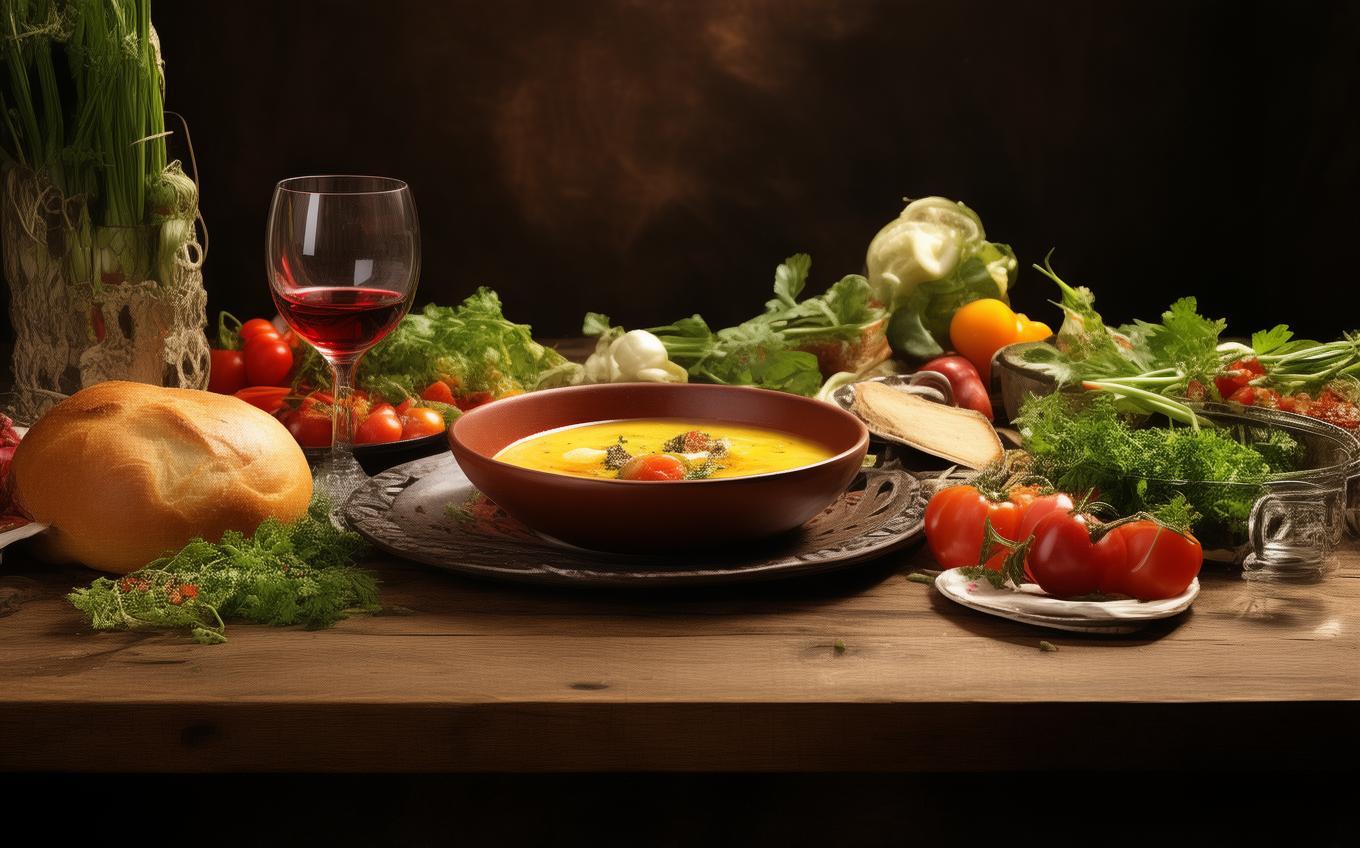
- Primary Meaning: A simple, informal meal, usually home‑cooked and unpretentious; often used to modestly describe food offered to guests
2. In-depth Explanation
-
Context and Usage:
The word 便饭 is most often used in social or hospitality contexts. When inviting someone to eat, a Chinese host might say “吃顿便饭” (eat a casual meal) to downplay the effort and make the guest feel comfortable. It implies that the meal is nothing special or elaborate, even if the host has prepared a full spread. This word carries a nuance of modesty – a way of saying “just a simple meal, please don’t feel you need to reciprocate or praise it too highly.”
It is also a key part of the common idiom 家常便饭 (jiā cháng biàn fàn), which literally means “home‑cooked casual meal” but is often used figuratively to mean something that is common, ordinary, or routine — “an everyday occurrence.” -
Character Breakdown:
- 便 (biàn): means convenient, casual, informal. In this context it stresses simplicity and lack of formality.
- 饭 (fàn): means cooked rice, and by extension, a meal.
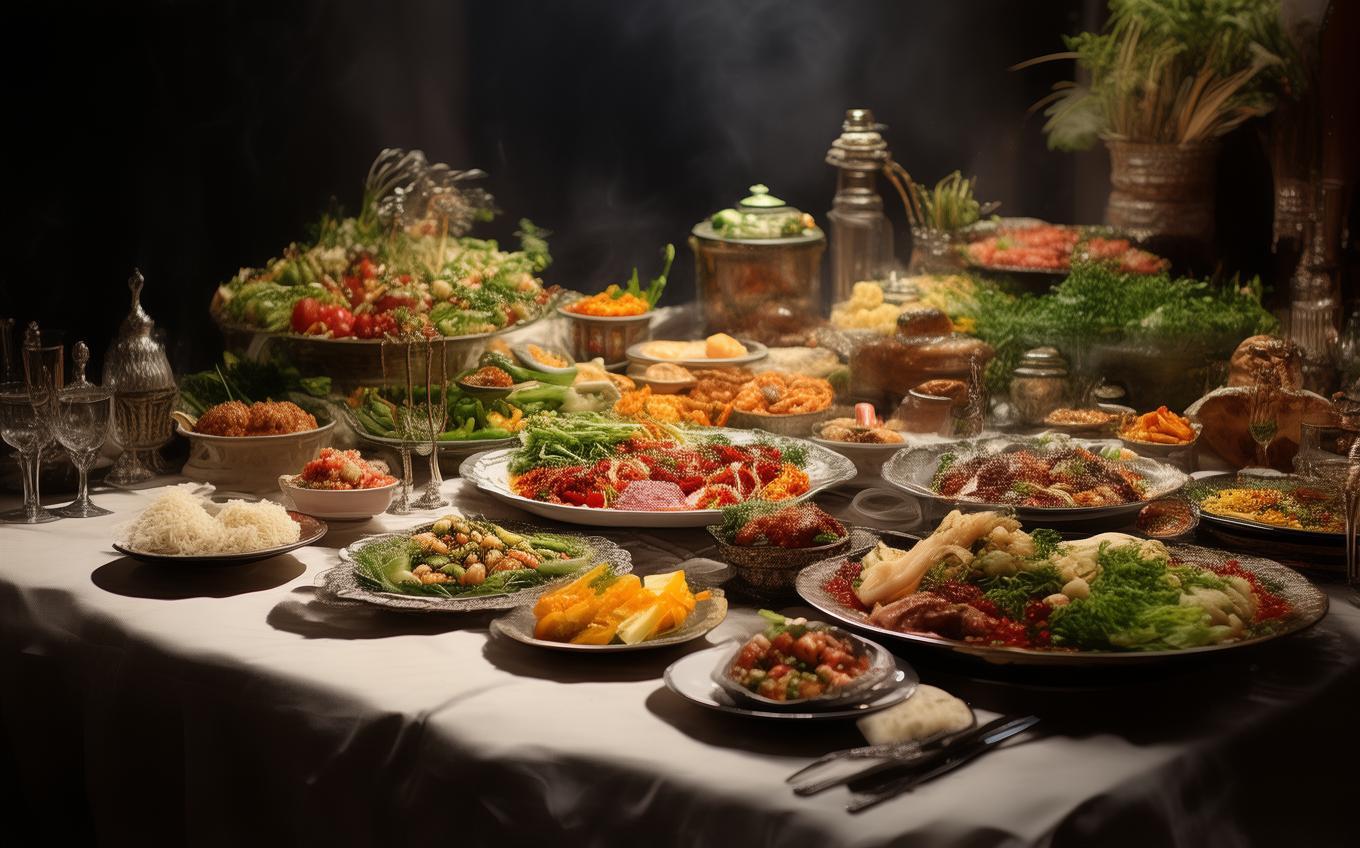
Together, 便饭 literally means “a convenient/casual meal,” painting the picture of something thrown together without fuss, very different from a banquet (盛宴, shèng yàn).
3. Example Sentences
-
Chinese: 我邀请朋友来家里吃顿便饭。
Pinyin: Wǒ yāoqǐng péngyou lái jiālǐ chī dùn biàn fàn.
English: I invited my friends over to my home for a casual meal. -
Chinese: 这只是家常便饭,别客气。
Pinyin: Zhè zhǐ shì jiācháng biàn fàn, bié kèqi.
English: This is just a simple home‑cooked meal – please don’t stand on ceremony. -
Chinese: 对他来说,熬夜加班是家常便饭。
Pinyin: Duì tā lái shuō, áoyè jiābān shì jiācháng biàn fàn.
English: For him, staying up late to work overtime is an everyday occurrence.
Cultural Notes
In Chinese culture, modesty is a deeply rooted virtue, especially in hosting. It is common for hosts to belittle their own food, home, or efforts, saying things like “just a 便饭” even when the table is laden with delicious dishes. This self‑deprecating language serves to make guests feel less burdened by a sense of obligation and to show sincere hospitality without appearing boastful. The same modesty appears in many Chinese expressions, such as calling a thoughtful gift “小意思” (a tiny token). Understanding 便饭 helps learners decode not just a word, but a piece of Chinese social etiquette.
Conclusion
Remember 便饭 as the go‑to term for a “no‑big‑deal meal.” The character 便 brings the idea of casual convenience, and 饭 simply means meal. Whether you’re inviting someone over or describing something routine, 便饭 (and especially 家常便饭) will add natural, culturally appropriate nuance to your Chinese.
Sources and Further Reading
Dictionary links are provided for independent reference. Example sentences and learning notes on this page are educational explanations rather than dictionary quotations.


Comments (0)
No comments yet. Be the first to comment!