Understanding "便利店" - Chinese Word Explanation
1. Basic Information
- Word: 便利店
- Pinyin: biàn lì diàn
- Literal Meaning: “convenient benefit store”
- Primary Meaning: convenience store (a small retail shop that stocks everyday items and often stays open long hours, sometimes 24 hours a day)
2. In-depth Explanation
- Context and Usage:
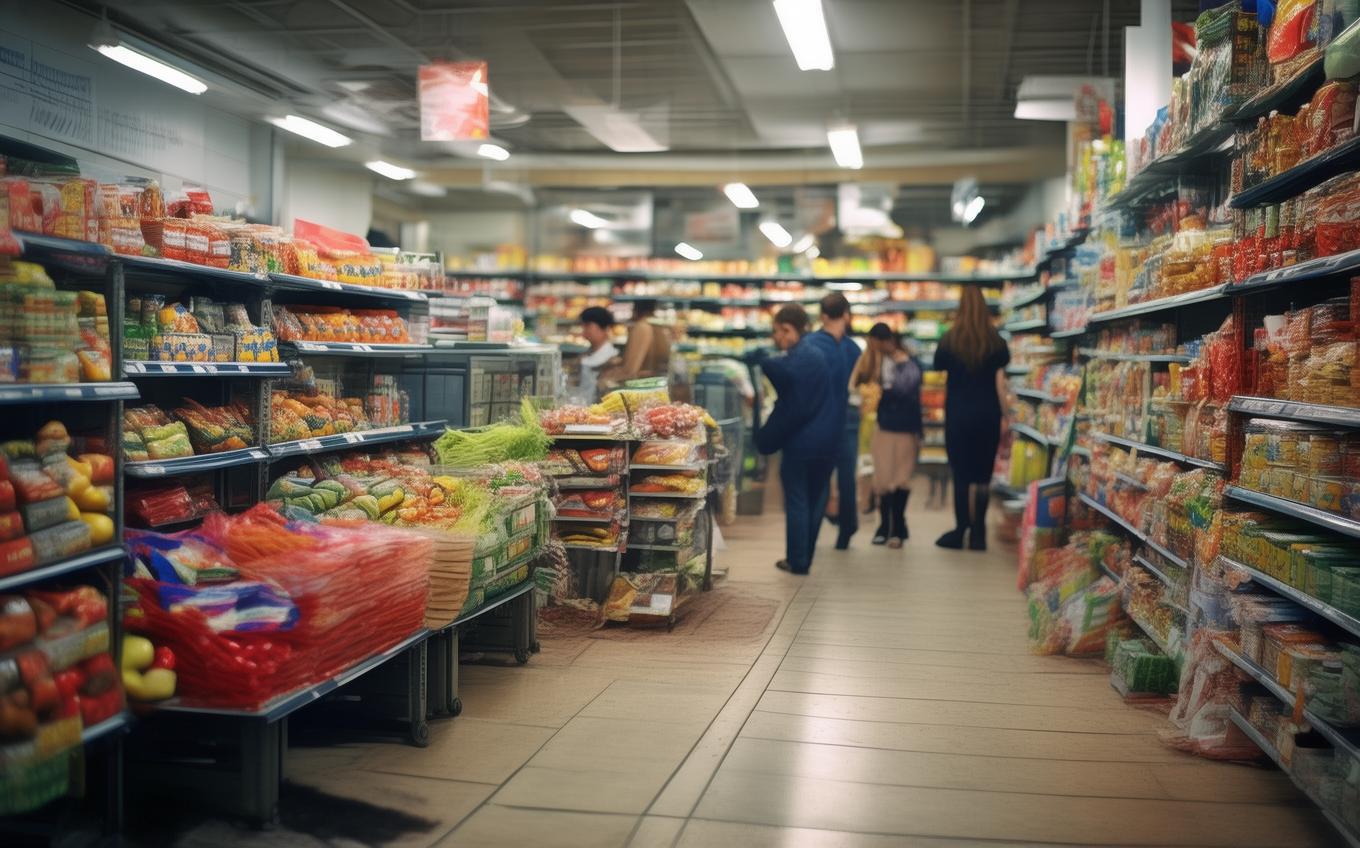
"便利店" is the standard word for a convenience store and is used in both spoken and written Chinese. It typically refers to a compact, self-service shop that sells snacks, drinks, daily necessities, and often hot food or ready-to-eat meals. Unlike a supermarket (超市 chāoshì), a 便利店 is much smaller and designed for quick, frequent visits. It can be used in any situation where you’d say “convenience store” in English — for example, telling someone you’re going to grab a snack, asking for directions to one, or mentioning its services.
Nuances:
The term carries a modern, urban feel. In China, it might just sell items, while in Taiwan or Hong Kong, it can double as a mini service center (see Cultural Notes). The word itself is neutral in formality, fitting casual and polite speech alike.
- Character Breakdown:
便利店 is a three-character compound: - 便 (biàn): convenient, handy
- 利 (lì): benefit, profit, advantage
- 店 (diàn): shop, store
Together, they paint the idea of a shop that brings convenience and benefit to customers — a store that makes life easier.
3. Example Sentences
-
Chinese: 我去便利店买瓶水。
Pinyin: Wǒ qù biànlìdiàn mǎi píng shuǐ.
English: I’m going to the convenience store to buy a bottle of water. -
Chinese: 楼下有一家24小时便利店。
Pinyin: Lóu xià yǒu yì jiā èrshísì xiǎoshí biànlìdiàn.
English: There is a 24-hour convenience store downstairs. -
Chinese: 在台湾,你可以在便利店缴水电费。
Pinyin: Zài Táiwān, nǐ kěyǐ zài biànlìdiàn jiǎo shuǐdiàn fèi.
English: In Taiwan, you can pay utility bills at a convenience store.
Cultural Notes
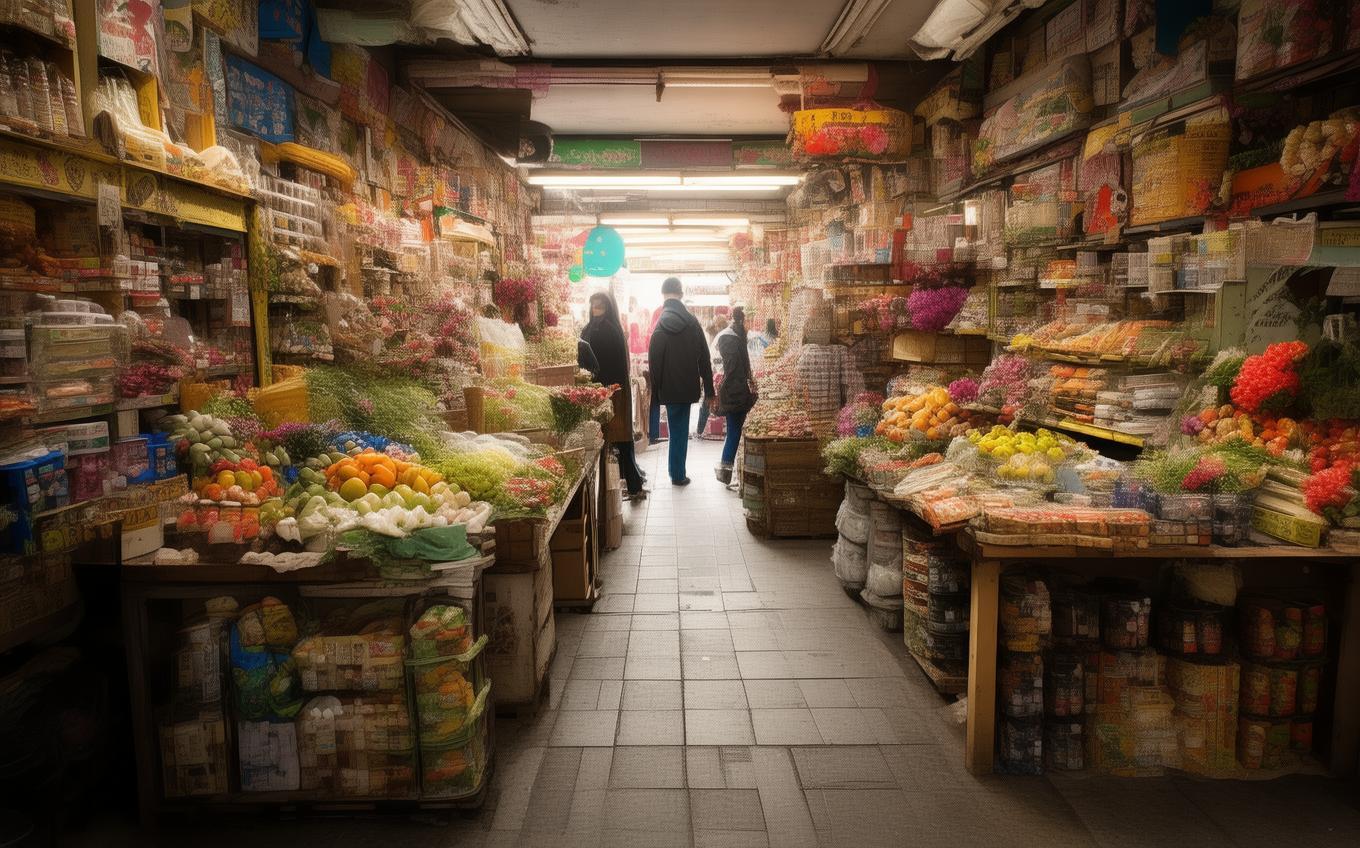
In many Chinese-speaking communities, especially Taiwan, Hong Kong, and increasingly mainland China, convenience stores are more than just places to buy snacks. They function as miniature service hubs: you can pay bills, top up mobile credit, pick up online orders, buy concert tickets, fax documents, or even ship packages. Major chains like 7-Eleven (七十一 qī shí yī), FamilyMart (全家 quán jiā), and Lawson (罗森 luó sēn) are seen on nearly every city block. This deep integration into daily life makes 便利店 a culturally loaded word — it represents speed, accessibility, and a one-stop solution for small errands. If you travel in a Chinese-speaking city, the bright-lit 便利店 will be your reliable friend at any hour.
Conclusion
Remember: 便利店 = “convenience store.” The three characters literally mean “convenient-benefit-shop,” and the word is used exactly like its English counterpart. It pops up in daily conversation whenever you need a quick drink, a late-night snack, or even to pay a bill. Keep 便利店 in your vocabulary — it’s a practical key to navigating modern Chinese-speaking cities.
Sources and Further Reading
Dictionary links are provided for independent reference. Example sentences and learning notes on this page are educational explanations rather than dictionary quotations.

Comments (0)
No comments yet. Be the first to comment!