1. Basic Information
- Word: 辫子
- Pinyin: biàn zi (note: the neutral tone on the second syllable)
- Literal Meaning: "braid" or "plait" — the character 辫 refers to the act of braiding or the braid itself, and 子 is a common noun suffix.
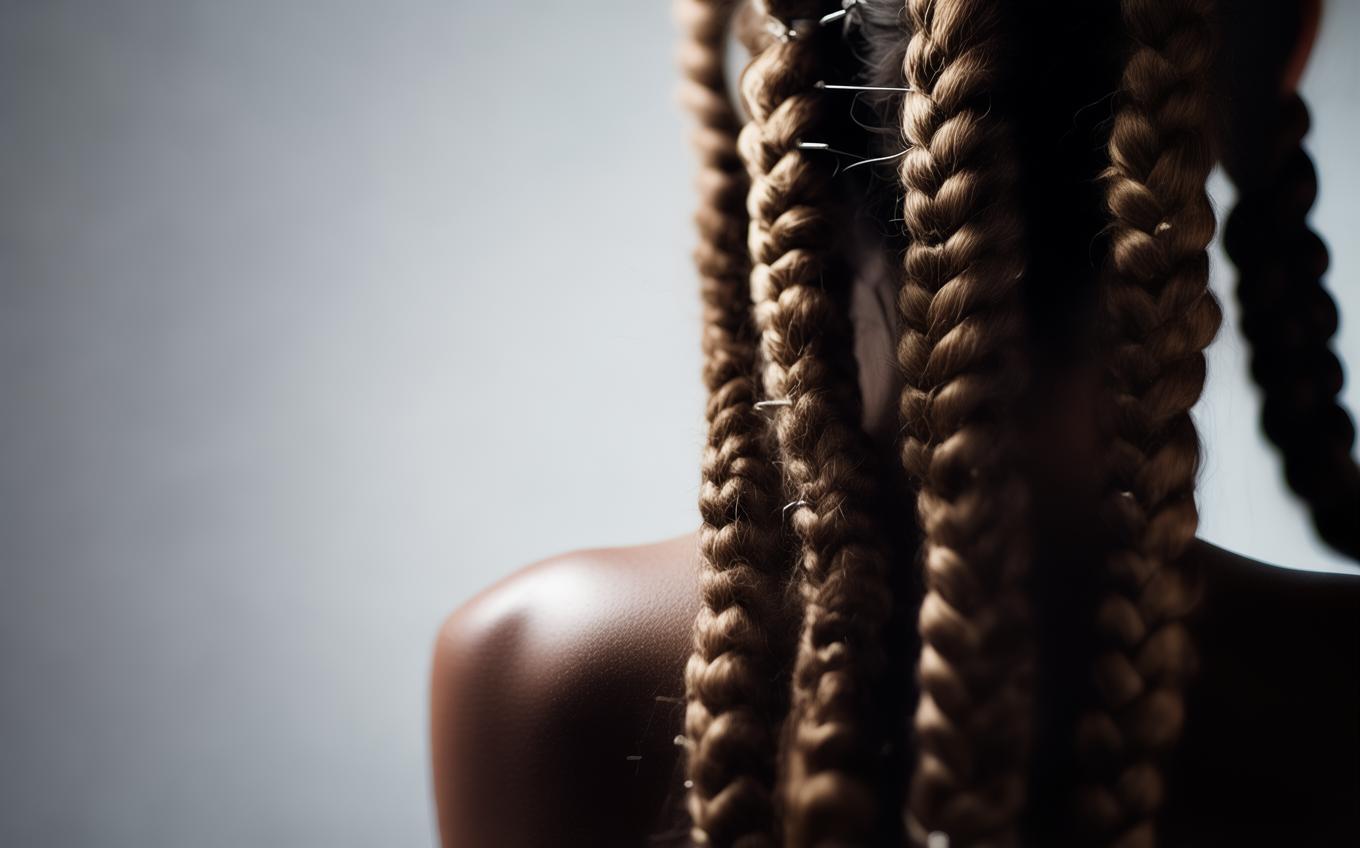
- Primary Meaning: A braid or plait of hair; a pigtail.
2. In-depth Explanation
- Context and Usage: 辫子 (biàn zi) is the standard word for a braid of hair in Chinese. It can refer to a single braid (like a long plait down the back) or multiple braids (like pigtails). It is commonly used in everyday conversation, from describing hairstyles to idiomatic expressions. For example, a mother might braid her daughter's hair and say, "我给你编个辫子" (I'll braid your hair into a braid). The word can also appear figuratively to mean "a mistake or weak point that can be seized upon" — similar to the English phrase "to have a handle on someone." This metaphorical use comes from the idea that a braid is something that can be grabbed and pulled.
- Character Breakdown:
- 辫 (biàn): This character is composed of the radical 辶 (a variant of 辵, meaning "walk" or "movement") and the phonetic component 辡 (which itself is composed of two 辛 characters, historically associated with crime or bitterness). The combination originally meant "to plait" or "to intertwine," reflecting the twisting motion of braiding. In modern Chinese, it almost exclusively refers to braiding hair or threads.
- 子 (zi): A common noun suffix that turns a single-character word into a disyllabic noun. It often carries a light, neutral tone. Here, it makes 辫 into a more colloquial, everyday noun.
3. Example Sentences
- Chinese: 她今天扎了两个辫子,看起来很可爱。
- Pinyin: Tā jīntiān zā le liǎng ge biàn zi, kàn qǐlái hěn kě'ài.
-
English: She wore her hair in two braids today and looked very cute.
-
Chinese: 这个女孩的辫子又长又黑。
- Pinyin: Zhè ge nǚhái de biàn zi yòu cháng yòu hēi.
-
English: This girl's braid is long and black.
-
Chinese: 小心别让别人抓住你的辫子。
- Pinyin: Xiǎoxīn bié ràng biéren zhuāzhù nǐ de biàn zi.
- English: Be careful not to let others seize on your weak point (literally, "grab your braid").
Cultural Notes
Historically, the queue (a long braid worn by men) was mandated during the Qing Dynasty under Manchu rule, and it became a powerful symbol of submission or rebellion. The phrase "抓辫子" (zhuā biàn zi) — "to grab someone's braid" — originated from this era, meaning to find fault or exploit a weakness. Today, even though the mandatory hairstyle is gone, the idiom lives on in everyday speech, reminding learners how historical practices shape modern language. Additionally, braids remain a beloved hairstyle in China, especially for young girls during festivals or traditional events, often adorned with colorful ribbons.
Conclusion
To remember 辫子 (biàn zi), picture a braided strand of hair — something that can be woven, admired, or, in a figurative sense, grabbed. Use it for describing hairstyles, and be aware of its idiomatic meaning when someone mentions "grabbing a braid" — they're talking about finding leverage, not a hairdo.
Sources and Further Reading
Dictionary links are provided for independent reference. Example sentences and learning notes on this page are educational explanations rather than dictionary quotations.


Comments (0)
No comments yet. Be the first to comment!