1. Basic Information
- Word: 播种
- Pinyin: bōzhǒng (verb-object) / bōzhòng (verb) – both pronunciations exist with slightly different uses.
- Literal Meaning: 播 (broadcast, scatter, sow) + 种 (seed / to plant) → "scatter seeds" or "sow planting"
- Primary Meaning: To sow seeds; to plant by scattering seeds (often used literally in agriculture, and metaphorically for spreading ideas or qualities).
2. In-depth Explanation
Two Pronunciations and Their Nuances
The word 播种 has two correct pronunciations depending on the grammatical structure and intended meaning:
- bōzhǒng (播种): This is a verb-object phrase. 种 (zhǒng) is a noun meaning "seed". The whole phrase literally means "scatter seeds" and often focuses on the action of dispersing seeds onto the soil. It can be used as a noun activity. Example: 春天是播种的季节 (Spring is the season for sowing seeds).
- bōzhòng (播种): This is a verb where 种 (zhòng) means "to plant, to sow". It acts as a transitive verb meaning "to sow (something)" and can take a direct object, such as a crop name. Example: 农民播种小麦 (Farmers sow wheat). In modern spoken Chinese, both pronunciations are widely used, and many native speakers do not strictly distinguish them, but bōzhòng is more common as a general verb "to sow".
Context and Usage
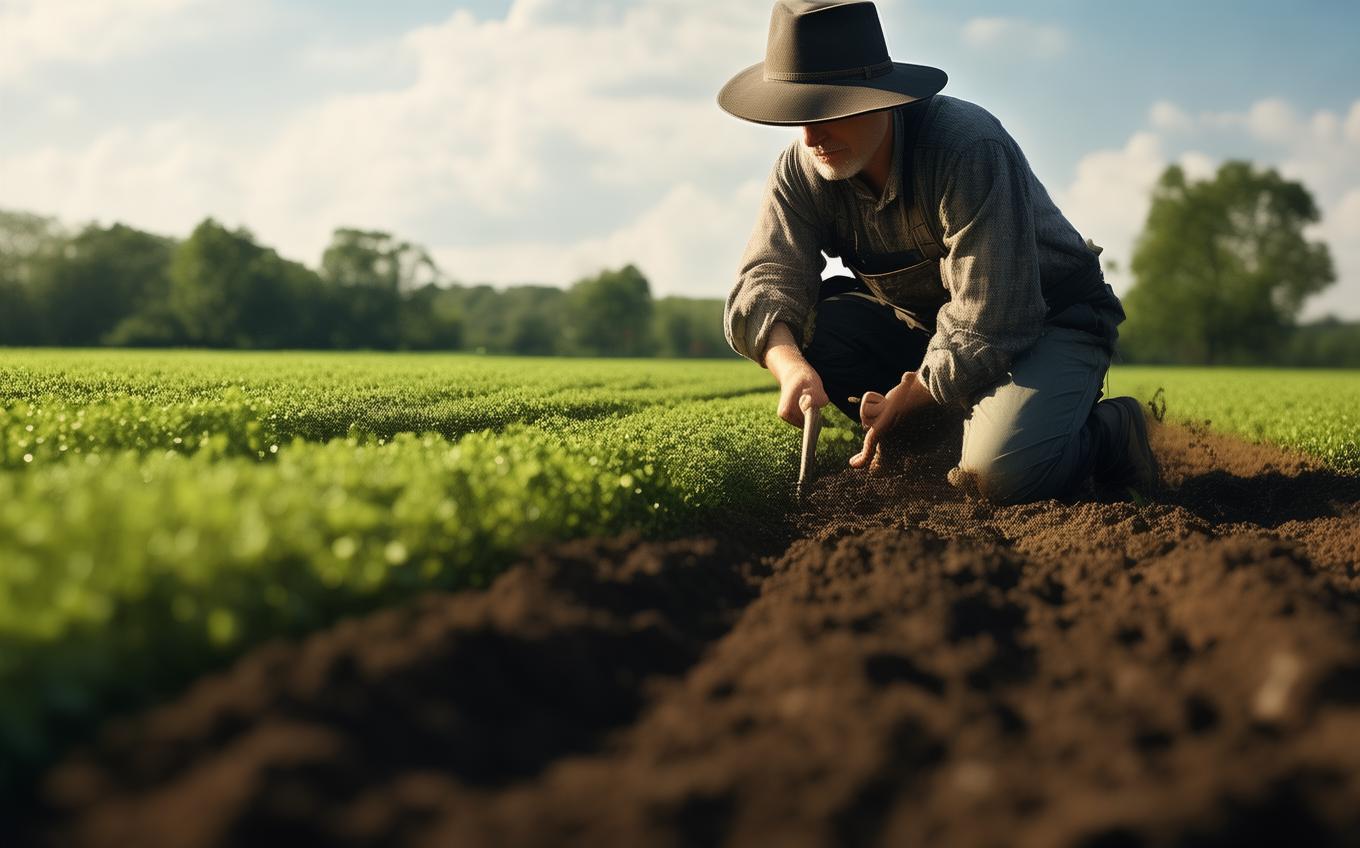
- Agriculture: The most common usage – scattering seeds in fields or gardens. Can be used with time, place, and method (e.g., 手工播种 – hand sowing).
- Metaphorical use: Commonly extended to mean “to plant (an idea, a feeling, a habit), to instill, to spread”, especially when followed by abstract nouns like hope (希望), knowledge (知识), love (爱), or seeds of change (变革的种子). In this case, bōzhòng is usually favoured, often paired with 种子 (seed) again: 播种希望的种子 – sow seeds of hope.
- Fixed expressions: 刀耕火种 (slash-and-burn cultivation) uses 火种 (huǒzhòng) – but not exactly 播种; however it shows 种 as verb. Another phrase 撒播 (sǎbō) is broadcast sowing, but 播种 is the standard term.
Character Breakdown
- 播 (bō): Radical 扌 (hand) + 番 (as phonetic, originally showing seeds falling). Meanings: to broadcast, to sow, to spread, to transmit. Examples: 传播 (spread, propagate), 广播 (broadcast). In 播种, it contributes the sense of scattering or dispersing.
- 种 (zhǒng / zhòng): Radical 禾 (grain) + 中 (middle / phonetic). As a noun (zhǒng) means seed, type, species, race. As a verb (zhòng) means to plant, to grow, to cultivate. When you see 播种, the pronunciation of 种 tells you whether it's "sow seeds" (zhǒng) or "sow/plant" (zhòng). The character visually ties to grain (禾), reinforcing the agricultural root.
3. Example Sentences
-
Chinese: 农民在春天播种小麦。
Pinyin: Nóngmín zài chūntiān bōzhòng xiǎomài.
English: Farmers sow wheat in spring. -
Chinese: 播种前,需要先耕地和施肥。
Pinyin: Bōzhǒng qián, xūyào xiān gēngdì hé shīféi.
English: Before sowing seeds, you need to plow the land and apply fertilizer. -
Chinese: 老师的话在孩子们心中播种了对科学的热爱。
Pinyin: Lǎoshī de huà zài háizimen xīnzhōng bōzhòng le duì kēxué de rè'ài.
English: The teacher's words sowed a love for science in the children's hearts.
Cultural Notes
- China has a deep-rooted agricultural civilization. The concept of 播种 is not only an everyday farming term but also appears in traditional solar terms like 谷雨 (Gǔyǔ, Grain Rain), which signals the best time to sow. Ancient poems frequently mention sowing as a symbol of hard work and hope.
- Metaphorically, the phrase “播种希望” (bōzhòng xīwàng – sow hope) is extremely common in Chinese speeches, education, and charity work, reflecting the belief that small actions now can yield great results later, just like planting seeds.
- In modern business or tech contexts, you might encounter “播种期” (bōzhǒng qī) – the sowing stage of a startup, meaning the initial investment and foundational period before harvest, similar to the English idea of “planting seeds” for future growth.
Conclusion
Remember that 播种 can be pronounced bōzhǒng (sowing seeds as an activity) or bōzhòng (to sow something). Both link the action of scattering (播) with the concept of seeds or planting (种). This word vividly captures the beginning of growth, used for grain in a field or for instilling dreams in a mind. To sow is to begin, and in Chinese, 播种 is a word full of patience and promise.
Sources and Further Reading
Dictionary links are provided for independent reference. Example sentences and learning notes on this page are educational explanations rather than dictionary quotations.


Comments (0)
No comments yet. Be the first to comment!