1. Basic Information
- Word: 博物馆
- Pinyin: bówùguǎn
- Literal Meaning: "abundant/exhibition hall of things"
- Primary Meaning: museum (a place where objects of historical, scientific, artistic, or cultural interest are stored and exhibited)
2. In-depth Explanation
-
Context and Usage:
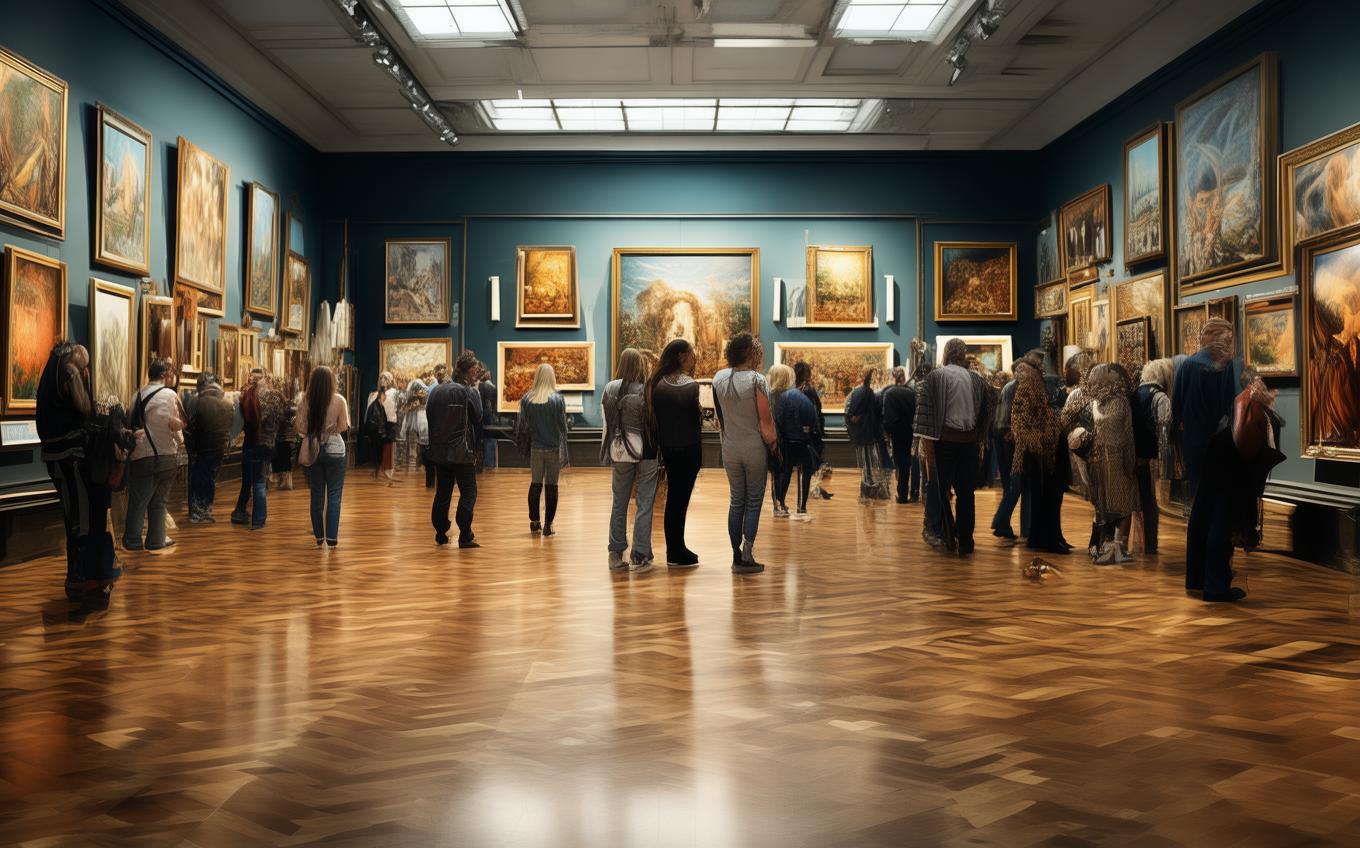
The word "博物馆" is the standard, universal term for "museum" in Chinese. It is used in both formal and casual contexts to refer to any type of museum—art, history, science, natural history, or specialized collections. You can simply say "我去博物馆" (I'm going to the museum) without specifying the type, just like in English. Unlike some languages that may distinguish between "museum" and "gallery," Chinese uses "博物馆" for most public exhibition spaces; an art museum is specifically "美术馆" (měishùguǎn), though "博物馆" often encompasses art museums in broader usage. There is no significant nuance of formality—it's neutral and widely understood. -
Character Breakdown:
- 博 (bó): means "abundant," "rich," "extensive." It implies a wide range or broad collection of knowledge or objects.
- 物 (wù): means "thing," "object," "matter." Together, "博物" (bówù) literally translates to "a wide range of things" or "extensive objects," historically associated with natural history and encyclopedic knowledge.
- 馆 (guǎn): means "hall," "building," "establishment," often used for public venues like restaurants (饭馆 fànguǎn), teahouses (茶馆 cháguǎn), or exhibition spaces.
So, "博物馆" literally builds the concept of a "hall of abundant/exhibited objects."
3. Example Sentences
-
Chinese: 我昨天参观了历史博物馆。
Pinyin: Wǒ zuótiān cānguān le lìshǐ bówùguǎn.
English: I visited the history museum yesterday. -
Chinese: 这个博物馆的展品非常有趣。
Pinyin: Zhège bówùguǎn de zhǎnpǐn fēicháng yǒuqù.
English: The exhibits in this museum are very interesting. -
Chinese: 学校组织我们去自然博物馆学习。
Pinyin: Xuéxiào zǔzhī wǒmen qù zìrán bówùguǎn xuéxí.
English: The school organized us to go to the natural history museum to study.
Cultural Notes
China has a rich museum culture, with famous institutions like the Palace Museum (故宫博物院 Gùgōng Bówùyuàn) in Beijing and the Shanghai Museum (上海博物馆 Shànghǎi Bówùguǎn). Note that large, comprehensive museums are sometimes called "博物院" (bówùyuàn), implying an even grander scale, but "博物馆" remains the everyday word. Museums in China are often free or low-cost, and visiting them is a popular educational activity for families and school groups. The term "博物馆" itself entered the Chinese lexicon in the late 19th century, as Western-style public museums were introduced, combining the classical concept of "博物" (encyclopedic knowledge) with "馆" (public building).
Conclusion
Remember "博物馆" as "bo-wu-guan": a place (馆) filled with a wide variety (博) of objects (物). It’s your go-to word for any kind of museum, easy to use in all situations. Just think of it as a hall where knowledge is abundant and on display!
Sources and Further Reading
Dictionary links are provided for independent reference. Example sentences and learning notes on this page are educational explanations rather than dictionary quotations.

Comments (0)
No comments yet. Be the first to comment!