1. Basic Information
- Word: 搏斗
- Pinyin: bó dòu
- Literal Meaning: wrestle-fight / combat-fight
- Primary Meaning: to wrestle, to fight, to struggle (physically or metaphorically)
2. In-depth Explanation
- Context and Usage:
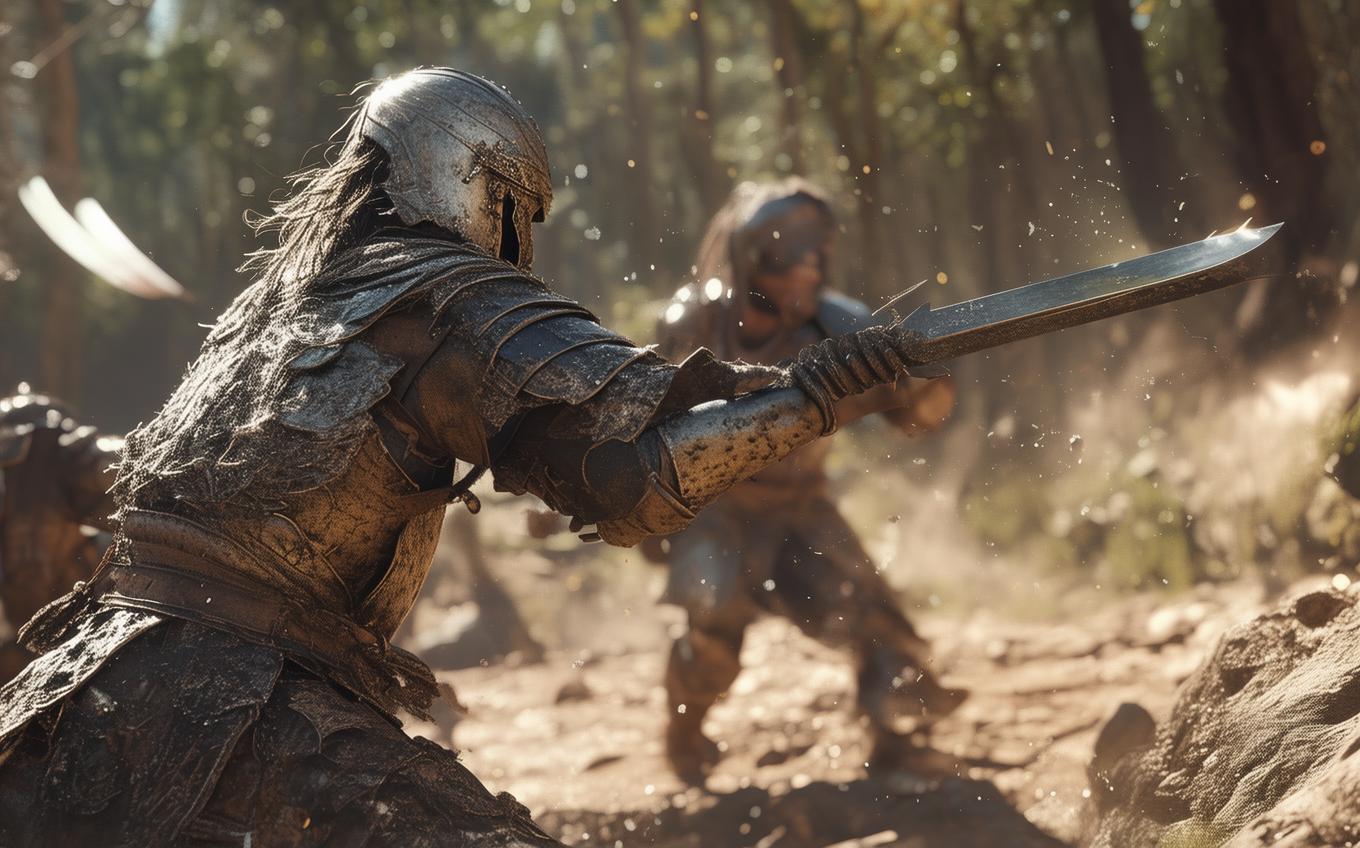
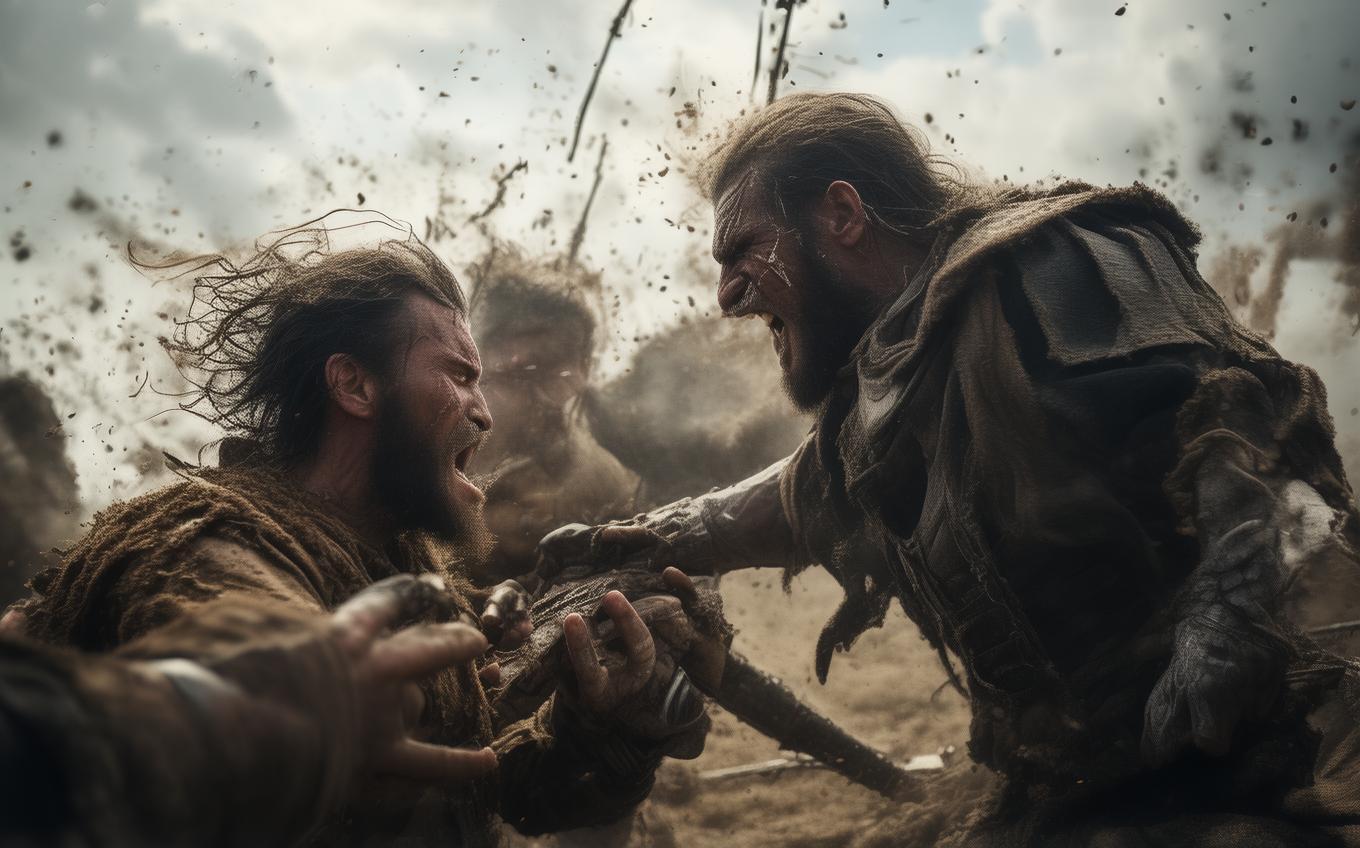
"搏斗" describes a direct, intense, and often life-or-death struggle. It can be used for: - Physical combat between two people or animals (e.g., wrestling, grappling, fierce hand-to-hand fighting).
- Metaphorical struggles against abstract forces like illness, nature, fate, or injustice.
The word emphasizes active, strenuous effort in the face of a powerful opponent or obstacle. It often implies a prolonged, exhausting conflict. In news or literary contexts, it heightens the drama of a situation, making it more vivid than a simple word like "fight."
- Character Breakdown:
- 搏 (bó): means to wrestle, to struggle, to strike or seize with the hands. The character contains the radical 扌 (hand), hinting at a physical, hand-to-hand action.
- 斗 (dòu): means to fight, to contest, to struggle. Originally depicted two people facing each other with weapons, it carries a strong combative sense.
Together, 搏 + 斗 reinforce the idea of a close, violent clash where the outcome is uncertain and both sides exert maximum force.
3. Example Sentences
-
Chinese: 两名摔跤手在擂台上激烈搏斗。
Pinyin: Liǎng míng shuāijiāo shǒu zài lèitái shàng jīliè bódòu.
English: The two wrestlers were engaged in a fierce struggle on the ring. -
Chinese: 那位登山者与暴风雪搏斗了整整一夜。
Pinyin: Nà wèi dēngshān zhě yǔ bàofēngxuě bódòu le zhěngzhěng yī yè.
English: That mountaineer wrestled with the snowstorm for an entire night. -
Chinese: 我们必须与疾病搏斗,不能轻易放弃。
Pinyin: Wǒmen bìxū yǔ jíbìng bódòu, bù néng qīngyì fàngqì.
English: We must struggle against the illness and not give up easily.
Cultural Notes (if applicable)
In Chinese martial arts stories and philosophy, "搏斗" often signifies not only physical combat but also the inner battle between wisdom and brute force, or the human spirit against overwhelming odds. The term can carry a heroic tone, as when someone "搏斗" against injustice or natural calamity. Modern Chinese also uses it in sports commentary and motivational contexts, where athletes "搏斗" to overcome their limits.
Conclusion
"搏斗" (bó dòu) is a powerful, vivid word for any kind of intense, close struggle. Think of the hand radical in 搏 (hands-on wrestling) and the combative image of 斗 (two opponents facing off). Together, they create a word perfect for describing dramatic physical fights as well as the inner or external battles we all face. Remember: whenever the conflict feels raw, exhausting, and personal, "搏斗" is likely the right choice.
Sources and Further Reading
Dictionary links are provided for independent reference. Example sentences and learning notes on this page are educational explanations rather than dictionary quotations.


Comments (0)
No comments yet. Be the first to comment!