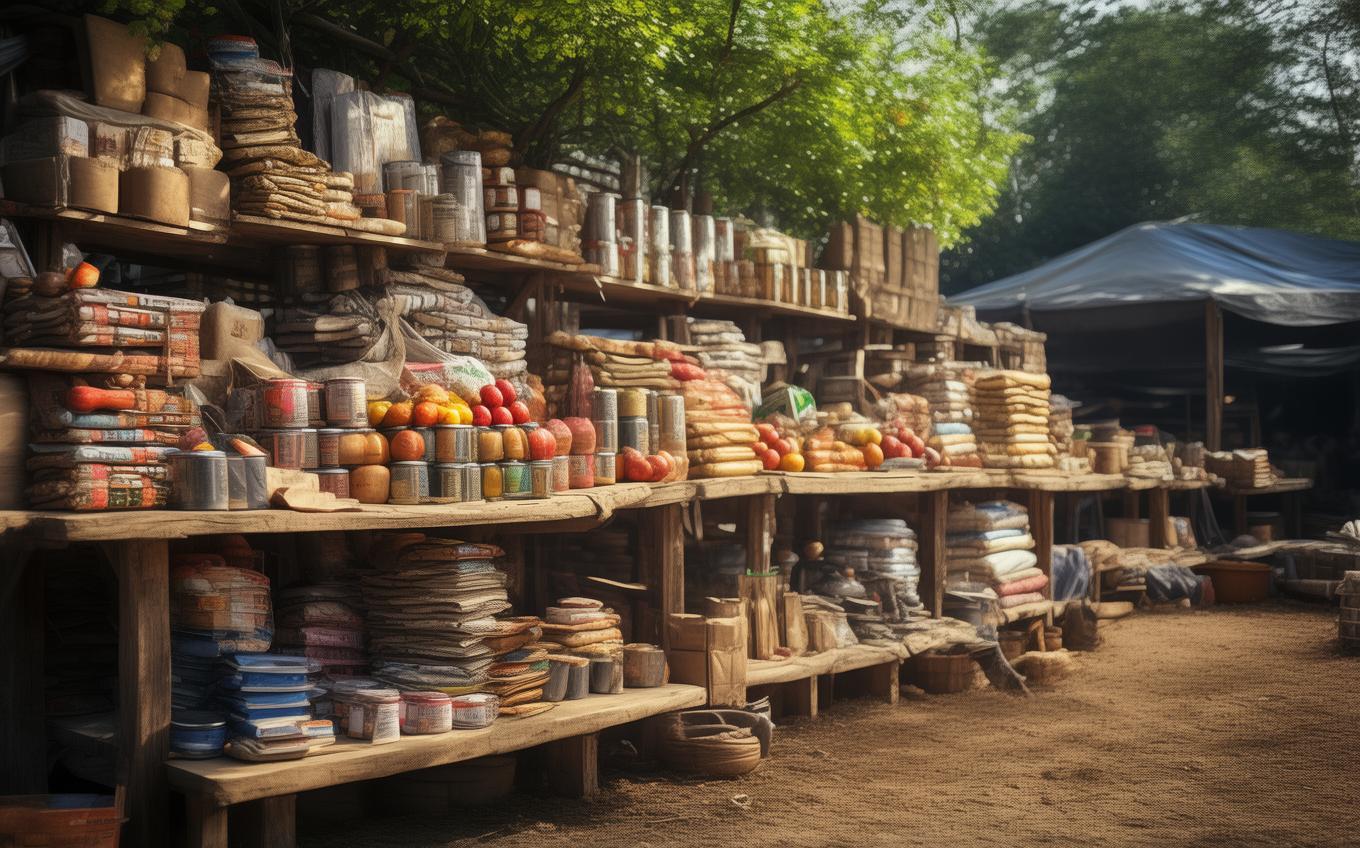
1. Basic Information
- Word: 补给
- Pinyin: bǔ jǐ
- Literal Meaning: “supplement” + “give/provide” → to supplement by providing
- Primary Meaning: supplies, provisions, replenishment; to resupply, to provide supplies
2. In-depth Explanation
-
Context and Usage:
"补给" is used when talking about essential materials — such as food, water, fuel, ammunition, or equipment — being supplied to a person, group, or place that needs them, often in challenging or remote conditions. It appears in both noun and verb functions. As a noun, it refers to the supplies themselves; as a verb, it means the act of resupplying. The word is common in military logistics, outdoor expeditions, disaster relief, and even in gaming contexts when describing “supply drops” or “restocking.” It carries a sense of planned, necessary replenishment rather than casual giving.
Tone note: although both characters are third tone, in natural speech the first third tone changes to a second tone, so it is pronounced bú jǐ. -
Character Breakdown:
- 补 (bǔ) — to mend, to supplement, to fill a gap. It suggests fixing a shortage.
- 给 (jǐ) — to give, to supply, to provide. Here it is read in the third tone, not the more common “gěi” (which is a colloquial form), giving the word a more formal, technical flavor.
Together they form the idea of “mending a shortage by providing something” — a very logical and vivid combination.
3. Example Sentences
- Chinese: 探险队需要定期补给食物和水。
- Pinyin: Tànxiǎn duì xūyào dìngqī bǔjǐ shíwù hé shuǐ.
-
English: The expedition team needs regular supplies of food and water.
-
Chinese: 前线部队的补给线被切断了。
- Pinyin: Qiánxiàn bùduì de bǔjǐ xiàn bèi qiēduàn le.
-
English: The frontline troops’ supply line was cut off.
-
Chinese: 我们在山脚下进行最后的补给。
- Pinyin: Wǒmen zài shānjiǎo xià jìnxíng zuìhòu de bǔjǐ.
- English: We carried out the final resupply at the foot of the mountain.
Cultural Notes (if applicable)
In modern Chinese, “补给” is heavily used in strategic and logistical contexts — from real-world military operations to video games where players collect “补给箱” (supply crates). Its formality sets it apart from everyday words like “给” (gěi, to give). When you use “补给,” you’re often implying a systematic, organized effort to sustain an operation or journey, which reflects the Chinese appreciation for order and preparedness.
Conclusion
Think of “补给” as “strategic resupply.” The two characters paint a picture: 补 (fix a shortage) and 给 (provide what’s needed). It’s your go-to word whenever you talk about restocking a camp, refueling a ship, or dropping essential items to someone in need — always with a sense of purpose and planning.
Sources and Further Reading
Dictionary links are provided for independent reference. Example sentences and learning notes on this page are educational explanations rather than dictionary quotations.



Comments (0)
No comments yet. Be the first to comment!