1. Basic Information
- Word: 破坏
- Pinyin: pò huài
- Literal Meaning: "破" means "to break" or "damage," and "坏" means "bad" or "ruin." Together, they literally mean "to break and ruin."
- Primary Meaning: The primary meaning of "破坏" is "to destroy," "to damage," or "to undermine." It refers to causing harm or disruption to something, whether physically, structurally, or abstractly (e.g., relationships, plans).
2. In-depth Explanation
Context and Usage
"破坏" is a strong verb used to describe actions that cause significant damage or disruption. It can be applied in various contexts:
- Physical destruction: e.g., damaging property or nature.
- Abstract disruption: e.g., undermining trust, ruining plans, or violating rules.
- Negative impact: e.g., harming a system, environment, or relationship.
It often carries a negative connotation, implying intentional or careless harm.
Character Breakdown
- 破 (pò): Means "to break," "to split," or "damaged."
- 坏 (huài): Means "bad," "ruined," or "spoiled."
Together, they emphasize the idea of causing something to become broken or dysfunctional.
3. Example Sentences
-
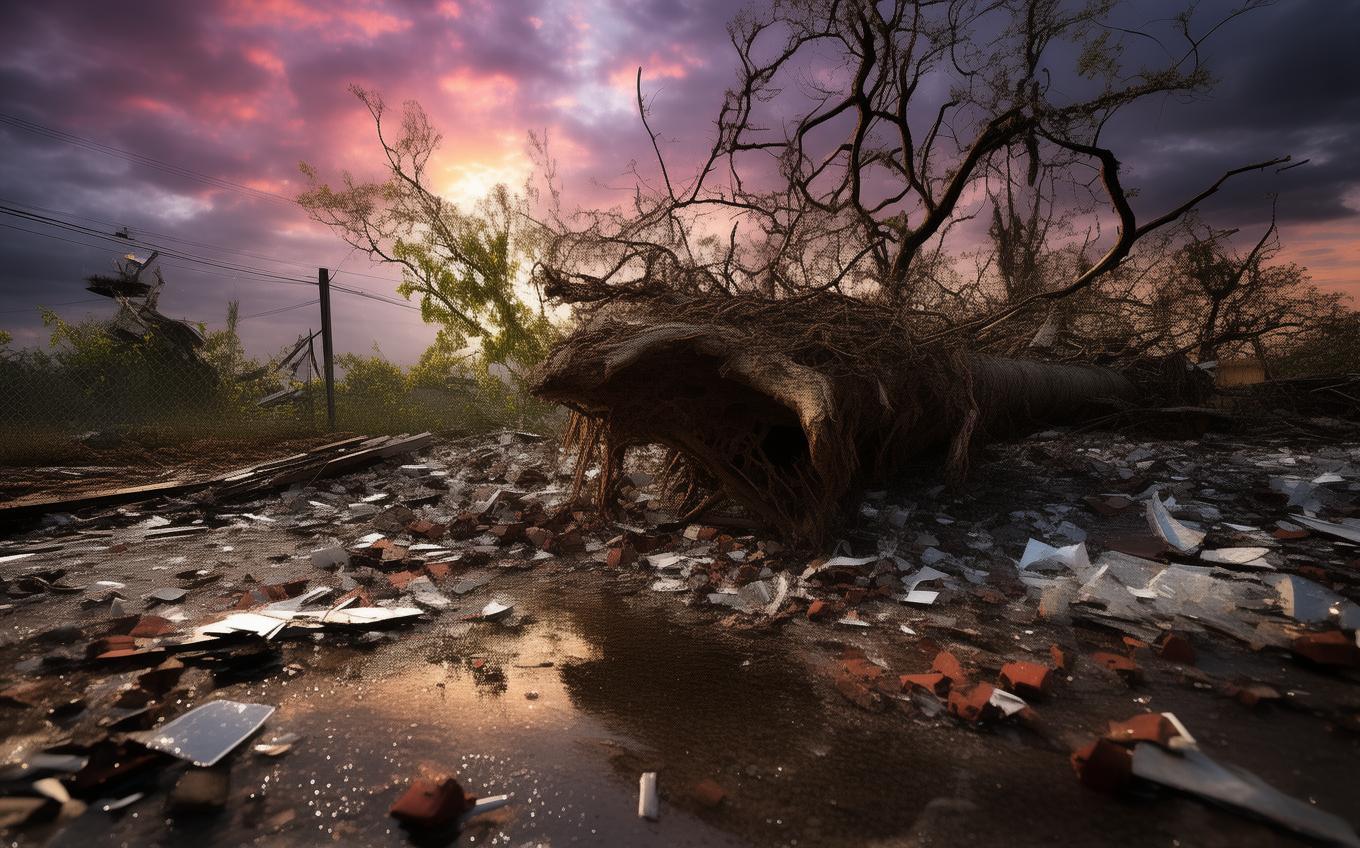
Chinese: 台风破坏了这座城市的许多建筑。
Pinyin: Táifēng pòhuàile zhè zuò chéngshì de xǔduō jiànzhù.
English: The typhoon destroyed many buildings in this city. -
Chinese: 他的谎言破坏了我们的友谊。
Pinyin: Tā de huǎngyán pòhuàile wǒmen de yǒuyì.
English: His lies ruined our friendship. -
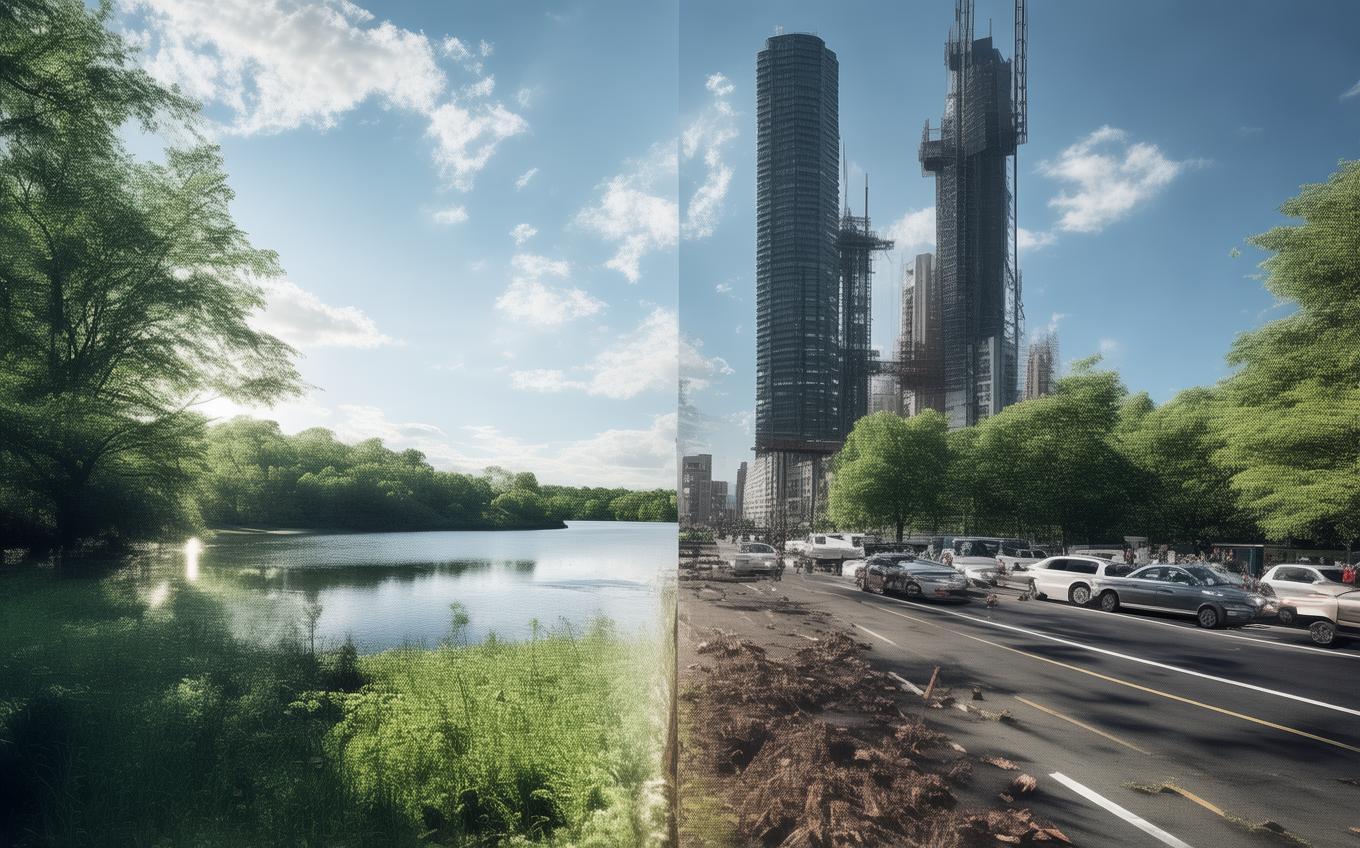
Chinese: 污染正在破坏自然环境。
Pinyin: Wūrǎn zhèngzài pòhuài zìrán huánjìng.
English: Pollution is damaging the natural environment.
Cultural Notes
In Chinese culture, maintaining harmony (和谐 héxié) is highly valued, so actions described as "破坏" are often seen as particularly negative. For example:
- "破坏环境" (environmental destruction) is a serious concern in modern China.
- "破坏规矩" (breaking rules) is frowned upon in social and professional settings.
The word reflects a strong disapproval of behavior that disrupts order or causes harm.
Conclusion
"破坏" (pò huài) means "to destroy" or "to damage," and it can refer to physical or abstract harm. Remember its negative connotation and use it to describe serious disruptions. Practice with the example sentences to master its usage!
Sources and Further Reading
Dictionary links are provided for independent reference. Example sentences and learning notes on this page are educational explanations rather than dictionary quotations.
Comments (0)
No comments yet. Be the first to comment!