1. Basic Information
- Word: 裁判
- Pinyin: cái pàn
- Literal Meaning: "judge-decide" or "cut-judge"
- Primary Meaning: referee, umpire, judge (in sports, competitions, and sometimes legal contexts)
2. In-depth Explanation
- Context and Usage:
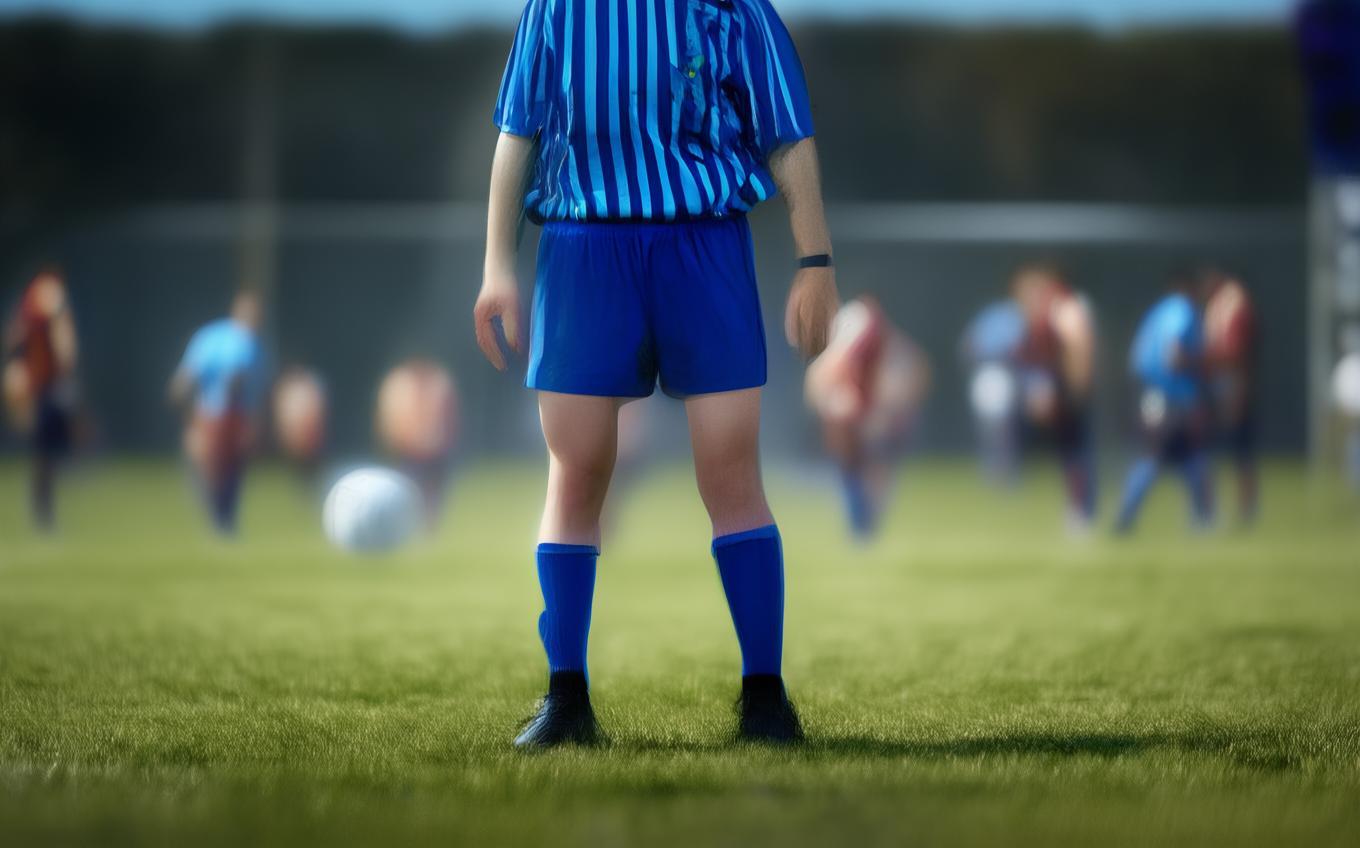
The word 裁判 is most commonly used to refer to the official who enforces the rules and makes decisions during a sports match or competition – the referee or umpire. You can use it for football (soccer), basketball, boxing, tennis, and almost any other sport. In these contexts, 裁判 is a noun for the person, and you can also use it as a verb meaning "to adjudicate" or "to act as a referee".
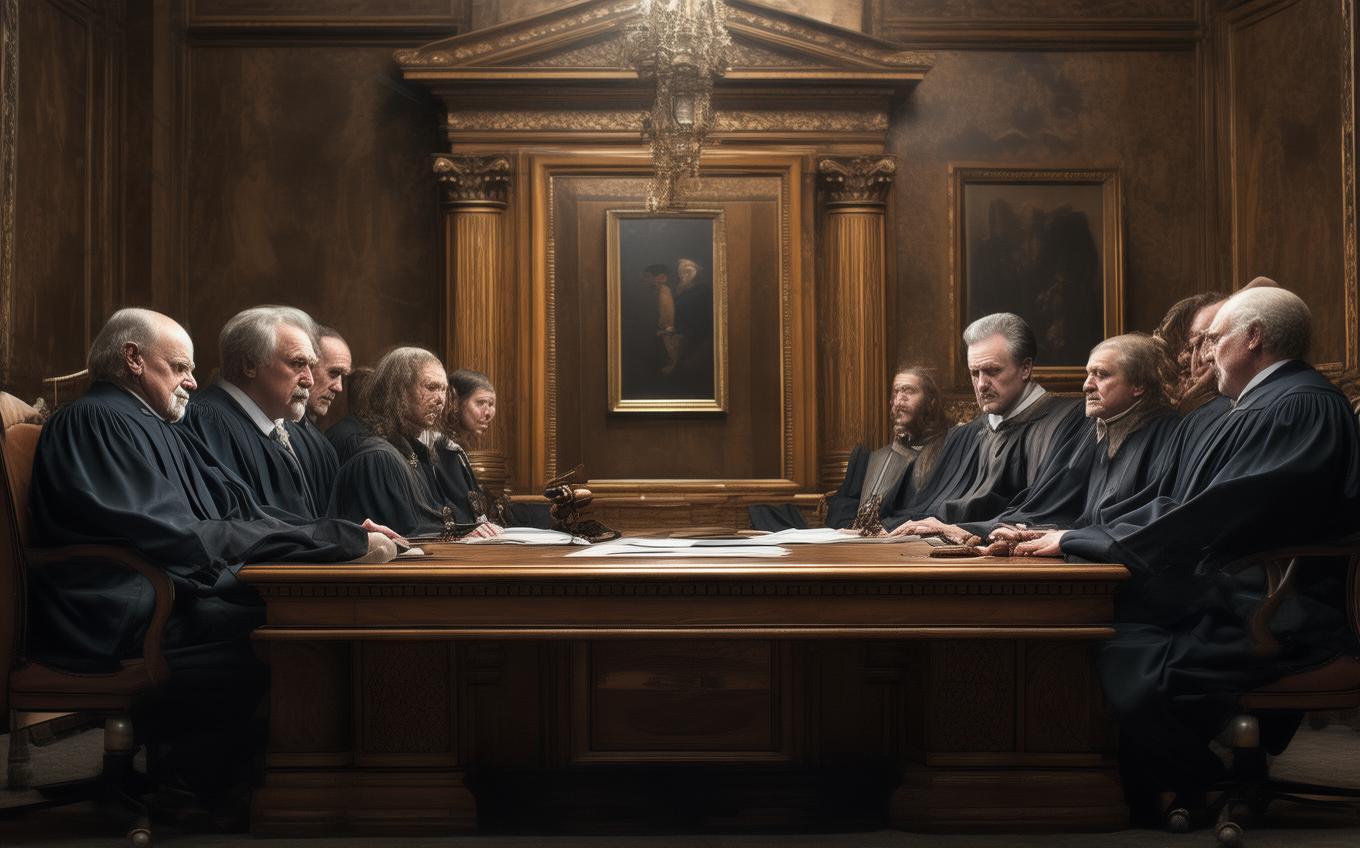
Beyond sports, 裁判 can appear in legal or formal settings, where it means "judgment", "ruling", or "verdict" (as a noun) or "to judge" (as a verb). However, note that the person in a court of law is usually 法官 (fǎguān, "judge"), not 裁判. So if you mean "the judge in a courtroom", use 法官; if you mean "the decision made by the court", 裁判 works.
In daily conversation, when people say 裁判 without context, they are almost always talking about a sports official. The word carries no negative or positive connotation by itself – it’s just a neutral official role, though crowds might shout at the 裁判 if they disagree with a call!
- Character Breakdown:
- 裁 (cái): This character originally meant "to cut" (as in cutting cloth) and by extension "to decide", "to judge", or "to reduce". It brings a sense of making a clear, decisive cut – separating right from wrong.
- 判 (pàn): This character means "to judge", "to decide", "to sentence", or "to distinguish". It appears in words like 判断 (pànduàn, "to judge, decide") and 批判 (pīpàn, "to criticize").
Together, 裁判 literally means "to cut and judge", i.e., to make a decisive, authoritative decision. As a noun, it refers to the person who performs that role – the referee or adjudicator.
3. Example Sentences
-
Chinese: 足球裁判吹响了终场哨。
Pinyin: Zúqiú cáipàn chuīxiǎng le zhōngchǎng shào.
English: The football referee blew the final whistle. -
Chinese: 裁判判定那个球出界了。
Pinyin: Cáipàn pàndìng nàge qiú chūjiè le.
English: The referee ruled that the ball went out of bounds. -
Chinese: 这场比赛的裁判非常公正。
Pinyin: Zhè chǎng bǐsài de cáipàn fēicháng gōngzhèng.
English: The referee of this match is very fair.
Cultural Notes (if applicable)
In Chinese sports culture, the referee (裁判) is a respected but often pressured figure. Fans are passionate, and just like anywhere else, referees can become the target of loud complaints. You may hear phrases like “黑哨” (hēishào, "black whistle") when people suspect unfair refereeing. The word 裁判 itself is neutral; however, the public opinion of a 裁判 can change instantly based on a single controversial call.
In legal contexts, the noun 裁判 is used more in written or formal language, for example, “法院的裁判” (fǎyuàn de cáipàn, "the court’s ruling"). This usage is less common in casual talk. Learning when to use 裁判 vs. 法官 is a good way to sound more natural: save 裁判 for sports referees and judge’s decisions, and use 法官 for the person sitting in the courtroom.
Conclusion
Remember 裁判 as the "decision-cutter" – the referee who cuts through the action and makes the final call. Its core use is in sports, and you can safely use it for any referee, umpire, or official in a game. For court judges as people, think 法官, but a court ruling is still a 裁判. With this distinction, you’ll use the word like a natural Chinese speaker.
Sources and Further Reading
Dictionary links are provided for independent reference. Example sentences and learning notes on this page are educational explanations rather than dictionary quotations.


Comments (0)
No comments yet. Be the first to comment!