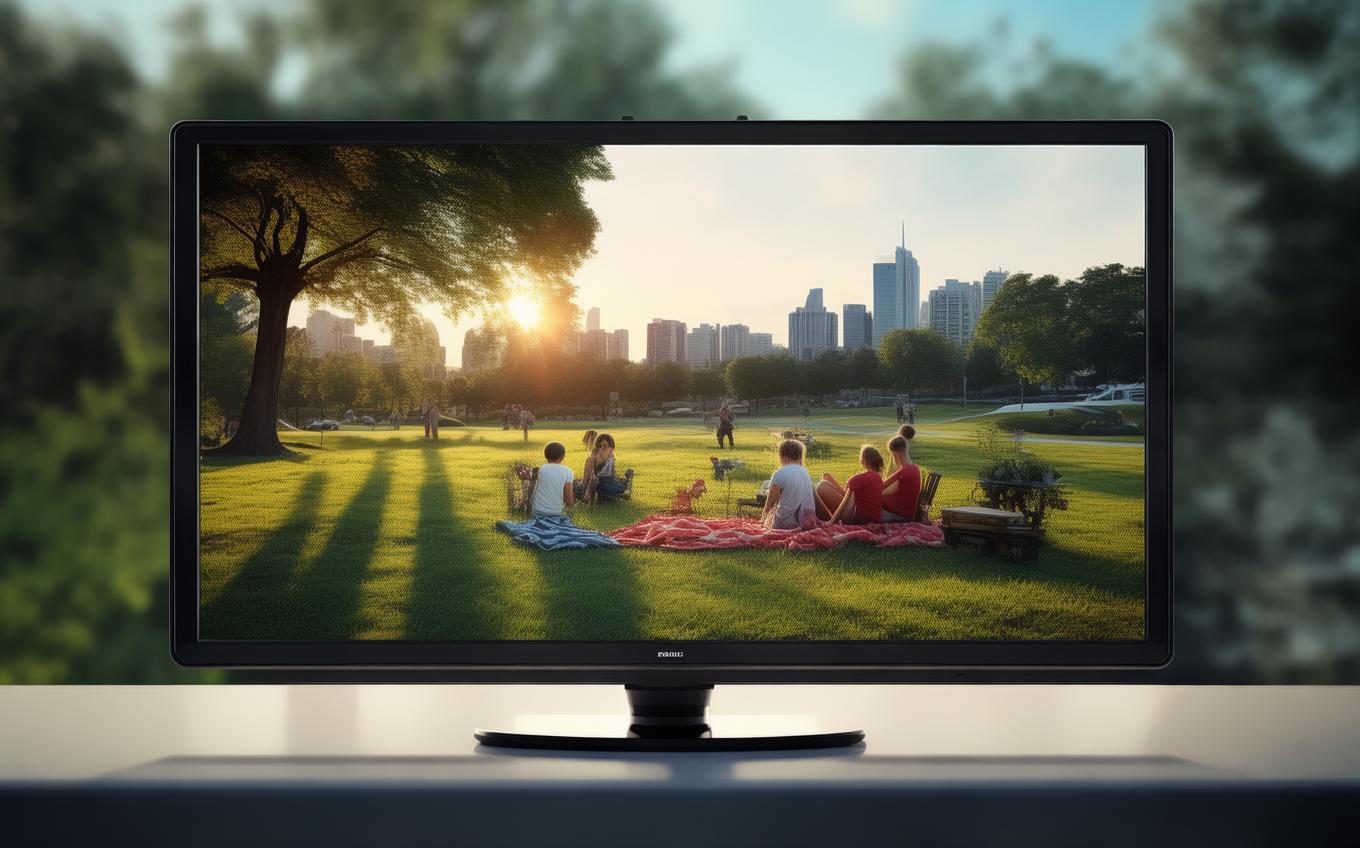
1. Basic Information
- Word: 彩电
- Pinyin: cǎi diàn
- Literal Meaning: Color electric (short for "color television")
- Primary Meaning: Color television set (as opposed to black-and-white TV)
2. In-depth Explanation
-
Context and Usage:
"彩电" is a noun used to refer specifically to a color television receiver. It emerged as a common term when color TV technology became available, distinguishing it from the older black-and-white models. In modern everyday Chinese, people often simply say 电视 (diànshì) for any television, as color is now the default. However, "彩电" is still understood and may appear in situations where the color capability is emphasized (e.g., historical discussions, comparing old and new tech, or in second-hand market listings). It is slightly more formal or technical than the generic 电视, but not obscure. -
Character Breakdown:
- 彩 (cǎi) – means "color," "colorful," or "variegated." It appears in words like 彩色 (cǎisè, color/multicolor) and 彩虹 (cǎihóng, rainbow).
- 电 (diàn) – means "electricity" or "electric." In this word, it is the first character of 电视 (diànshì, television), so 电 alone here acts as an abbreviation for "TV."
The full form of the word is 彩色电视 (cǎisè diànshì), literally "color television." 彩电 is a compact, everyday abbreviation.
3. Example Sentences
-
Chinese: 这台彩电是1985年买的,现在还能用。
Pinyin: Zhè tái cǎidiàn shì yījiǔbāwǔ nián mǎi de, xiànzài hái néng yòng.
English: This color TV was bought in 1985 and still works today. -
Chinese: 他们打算换一台新的智能彩电。
Pinyin: Tāmen dǎsuàn huàn yī tái xīn de zhìnéng cǎidiàn.
English: They plan to replace it with a new smart color TV. -
Chinese: 当时谁家有彩电,邻居都会来看。
Pinyin: Dāngshí shéi jiā yǒu cǎidiàn, línjū dōu huì lái kàn.
English: Back then, if anyone had a color TV, all the neighbors would come over to watch.
Cultural Notes
In China during the 1980s and early 1990s, a family owning a 彩电 was a significant status symbol. Television was a centerpiece of home entertainment, and color sets were luxury items. The transition from black-and-white to color was a major milestone in household modernization. This cultural backdrop explains why the term 彩电 remains common among older generations and in nostalgic contexts. Today, with all new TVs being color by default, the word has lost some of its everyday urgency but still appears in historical articles, auction listings, and discussions about vintage electronics.
Conclusion
Think of "彩电" as the specific term for a color TV—it started as a contrast to black-and-white models and still carries that historical flavor. The characters break down neatly into "color" + "electric (TV)," making it easy to remember. While you’ll often hear just 电视 (diànshì), knowing 彩电 will help you understand older conversations, shopping contexts, and cultural references about China’s rapid technological changes.
Sources and Further Reading
Dictionary links are provided for independent reference. Example sentences and learning notes on this page are educational explanations rather than dictionary quotations.


Comments (0)
No comments yet. Be the first to comment!