1. Basic Information
- Word: 彩票
- Pinyin: cǎipiào
- Literal Meaning: "color ticket" or "prize ticket"
- Primary Meaning: lottery ticket
2. In-depth Explanation
- Context and Usage:
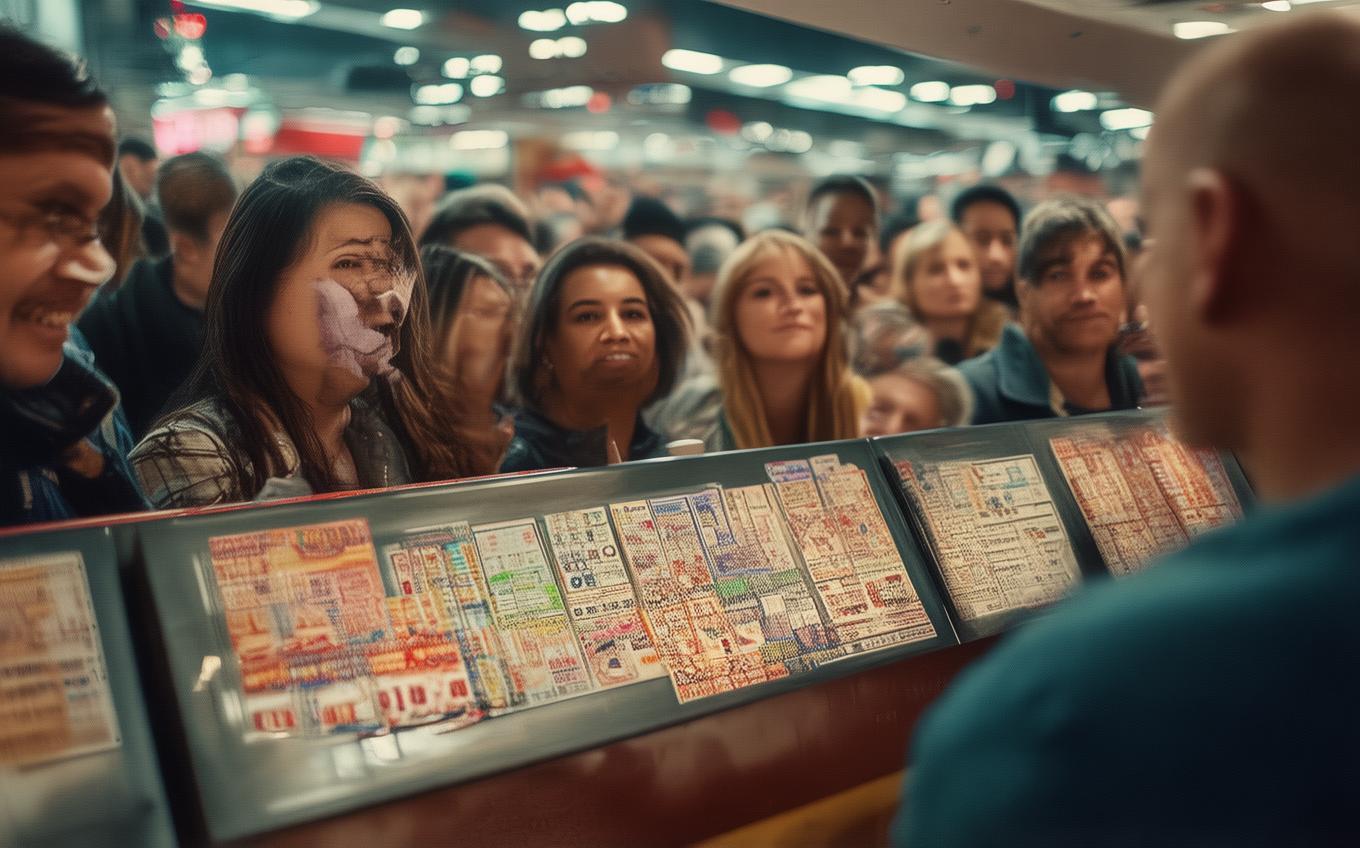
"彩票" refers to any type of lottery ticket, whether it's a national lottery, a scratch-off card, or a sports lottery. Chinese speakers use this word in exactly the same contexts as English speakers use "lottery ticket." You can buy a 彩票 (cǎipiào), check if you’ve won a 彩票 (cǎipiào), or talk about the lottery in general. The word is neutral and widely understood. When discussing the lottery as a concept (e.g., "I play the lottery"), Chinese often uses the same word: "买彩票" (mǎi cǎipiào, literally "buy lottery tickets").
There is no strong negative or positive connotation attached to the word itself; it simply denotes the object. However, if someone uses it in a sentence like "中彩票" (zhòng cǎipiào, "win the lottery"), it implies a stroke of incredible luck.
- Character Breakdown:
- 彩 (cǎi) – This character originally meant "color" or "variegated," and by extension it can mean "prize," "applause," or "splendor." In the context of 彩票, it carries the idea of a prize or a lucky draw. It appears in other words like 彩色 (cǎisè, "colorful") and 精彩 (jīngcǎi, "brilliant").
- 票 (piào) – This means "ticket," "banknote," or "ballot." It is used in many everyday words: 电影票 (diànyǐng piào, "movie ticket"), 火车票 (huǒchē piào, "train ticket"), 钞票 (chāopiào, "paper money").
Together, 彩票 literally gives the image of “a ticket for a prize drawing.”
3. Example Sentences
-
Chinese: 我买了一张彩票。
Pinyin: Wǒ mǎi le yī zhāng cǎipiào.
English: I bought a lottery ticket. -
Chinese: 他每个星期都买彩票,可是从来没中过。
Pinyin: Tā měi gè xīngqī dōu mǎi cǎipiào, kěshì cónglái méi zhòng guo.
English: He buys lottery tickets every week, but has never won. -
Chinese: 如果你中了彩票,你会辞职吗?
Pinyin: Rúguǒ nǐ zhòng le cǎipiào, nǐ huì cízhí ma?
English: If you won the lottery, would you quit your job?
Cultural Notes
Lottery culture in China is tightly regulated by the government and mainly consists of two legal types: the Welfare Lottery (福利彩票, fúlì cǎipiào) and the Sports Lottery (体育彩票, tǐyù cǎipiào). Proceeds are often funneled into public welfare projects or sports development, so buying a ticket is sometimes framed as a small act of charity. Street-side lottery kiosks are common in cities, and many people buy tickets casually. However, because gambling is otherwise illegal in mainland China, the lottery is one of the few outlets for such games of chance. There is a popular Chinese saying: "有买就有希望" (yǒu mǎi jiù yǒu xīwàng, "if you buy, there is hope"), which humorously captures the lottery mentality. Despite this, public skepticism about the fairness of the lottery is also common, partly because winners remain anonymous and rarely share their stories publicly.
Conclusion
彩票 (cǎipiào) is your go-to word for "lottery ticket" in Chinese. Remember the characters: 彩 hints at the colorful dream of a prize, and 票 is a ticket. Use it whenever you talk about buying, winning, or dreaming of a lottery jackpot. The phrase "买彩票" (mǎi cǎipiào) covers the general act of playing the lottery. Keep the cultural insight in mind — for many, it’s a tiny, hopeful investment with a dash of charity.
Sources and Further Reading
Dictionary links are provided for independent reference. Example sentences and learning notes on this page are educational explanations rather than dictionary quotations.



Comments (0)
No comments yet. Be the first to comment!