Understanding "残缺" - Chinese Word Explanation
1. Basic Information
- Word: 残缺
- Pinyin: cán quē
- Literal Meaning: broken / missing > incomplete / defective
- Primary Meaning: incomplete; fragmentary; damaged; having a missing part (used for physical objects, body parts, and abstract things like memories or systems)
2. In-depth Explanation
- Context and Usage:
"残缺" describes something that is not whole because a part is broken, missing, or damaged. It emphasizes the state of imperfection or lack of completeness. You can use it for: - Physical objects: a torn book, a broken statue, an incomplete document.
- Body parts: a missing limb, a damaged organ, or a physical disability (often used with sensitivity).
- Abstract concepts: incomplete memories, a fragmentary account of an event, a flawed system.
It often carries a nuance of pity or sadness, but in some contexts (especially in art and philosophy), it can suggest a special kind of beauty (残缺美 – the beauty of imperfection). Unlike “broken” (破 pò), “残缺” specifically highlights the idea of something that should be whole but is not.
- Character Breakdown:
- 残 (cán) – This character has multiple meanings: to damage, to injure; remaining; cruel. In “残缺”, it indicates something that is damaged, disabled, or left over as a remnant. It can be seen in words like 残疾 (disability) or 残留 (to remain).
- 缺 (quē) – To lack, to be short of, to be missing; a gap or a deficiency. Common in words like 缺少 (to lack) or 缺点 (shortcoming).
Together, “残” (damaged/remaining) + “缺” (missing/lacking) create the idea of “damaged and therefore incomplete” – something that has been broken or has something missing.
3. Example Sentences
- Chinese: 这本书缺了几页,内容有些残缺。
- Pinyin: Zhè běn shū quē le jǐ yè, nèiróng yǒuxiē cánquē.
-
English: This book is missing a few pages; the content is somewhat incomplete.
-
Chinese: 他从小身体就有残缺,但他从未放弃追求梦想。
- Pinyin: Tā cóngxiǎo shēntǐ jiù yǒu cánquē, dàn tā cóngwèi fàngqì zhuīqiú mèngxiǎng.
-
English: He has had a physical disability since childhood, but he has never given up pursuing his dreams.
-
Chinese: 这份报告残缺不全,无法提交给客户。
- Pinyin: Zhè fèn bàogào cánquē bù quán, wúfǎ tíjiāo gěi kèhù.
- English: This report is incomplete and fragmentary; it cannot be submitted to the client.
Cultural Notes
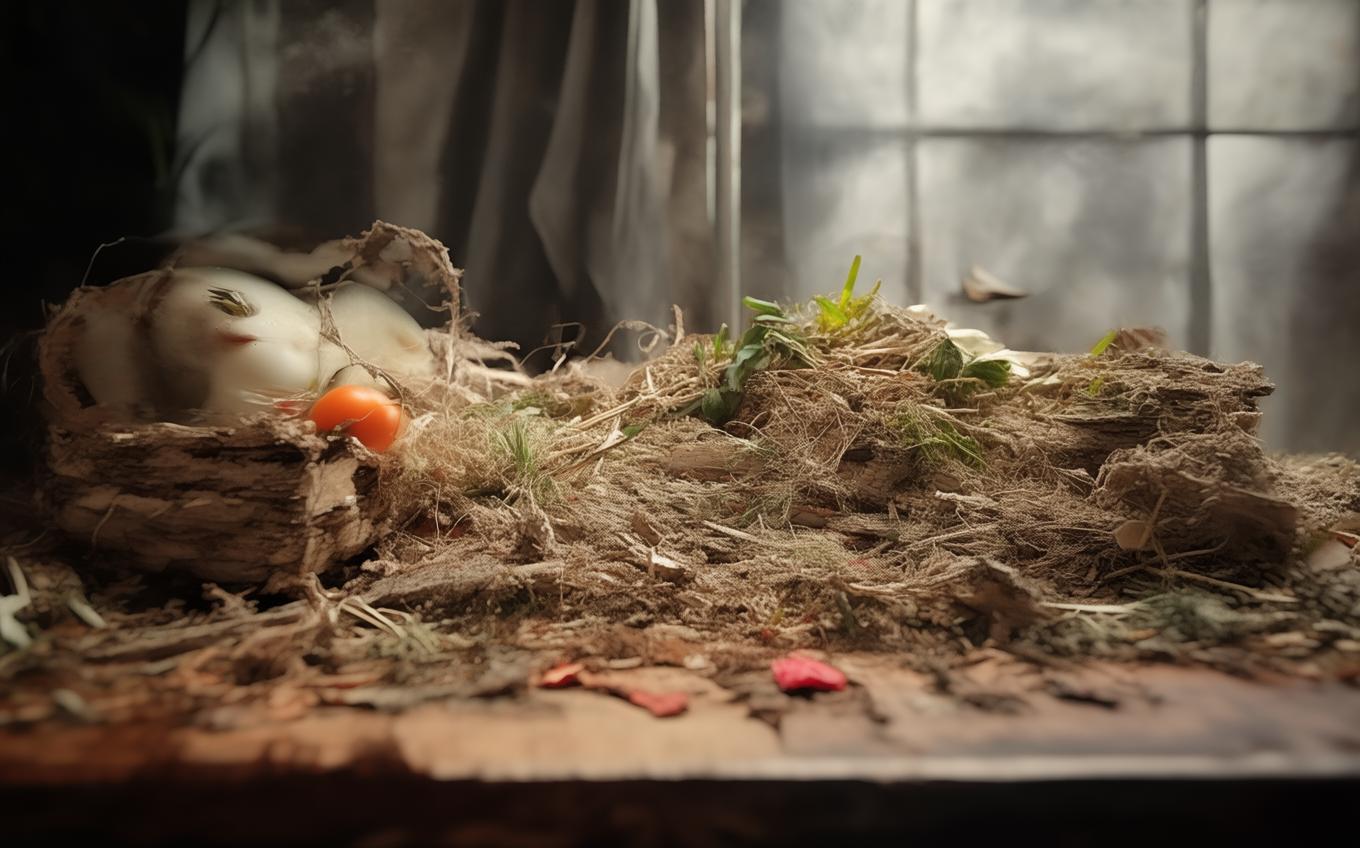
In traditional Chinese aesthetics and philosophy, the concept of "残缺美" (the beauty of imperfection) celebrates incomplete or worn things as possessing a deeper charm. A broken antique bowl or a weathered stone tablet isn’t seen only as damaged; its flaws tell a story and reflect the natural passage of time – an idea closely related to the Japanese wabi-sabi, yet deeply rooted in Chinese appreciation for rustic simplicity and the beauty of impermanence. Using “残缺” in a literary context can evoke this refined, bittersweet appreciation.
Conclusion
Think of “残缺” as “damaged and incomplete.” Whenever you see something that should be whole but has a part broken, torn, or missing – whether it’s a teacup, a memory, or a body – this word captures that sense of loss and imperfection. Remembering the two characters: 残 (damaged/remnant) + 缺 (missing) will help you use it naturally.
Sources and Further Reading
Dictionary links are provided for independent reference. Example sentences and learning notes on this page are educational explanations rather than dictionary quotations.



Comments (0)
No comments yet. Be the first to comment!