1. Basic Information
- Word: 惨白
- Pinyin: cǎn bái
- Literal Meaning: miserable white / tragic white
- Primary Meaning: deathly pale; ghastly pale; a sickly, frightening whiteness (often describing a person’s face or a bleak white color)
2. In-depth Explanation
-
Context and Usage:
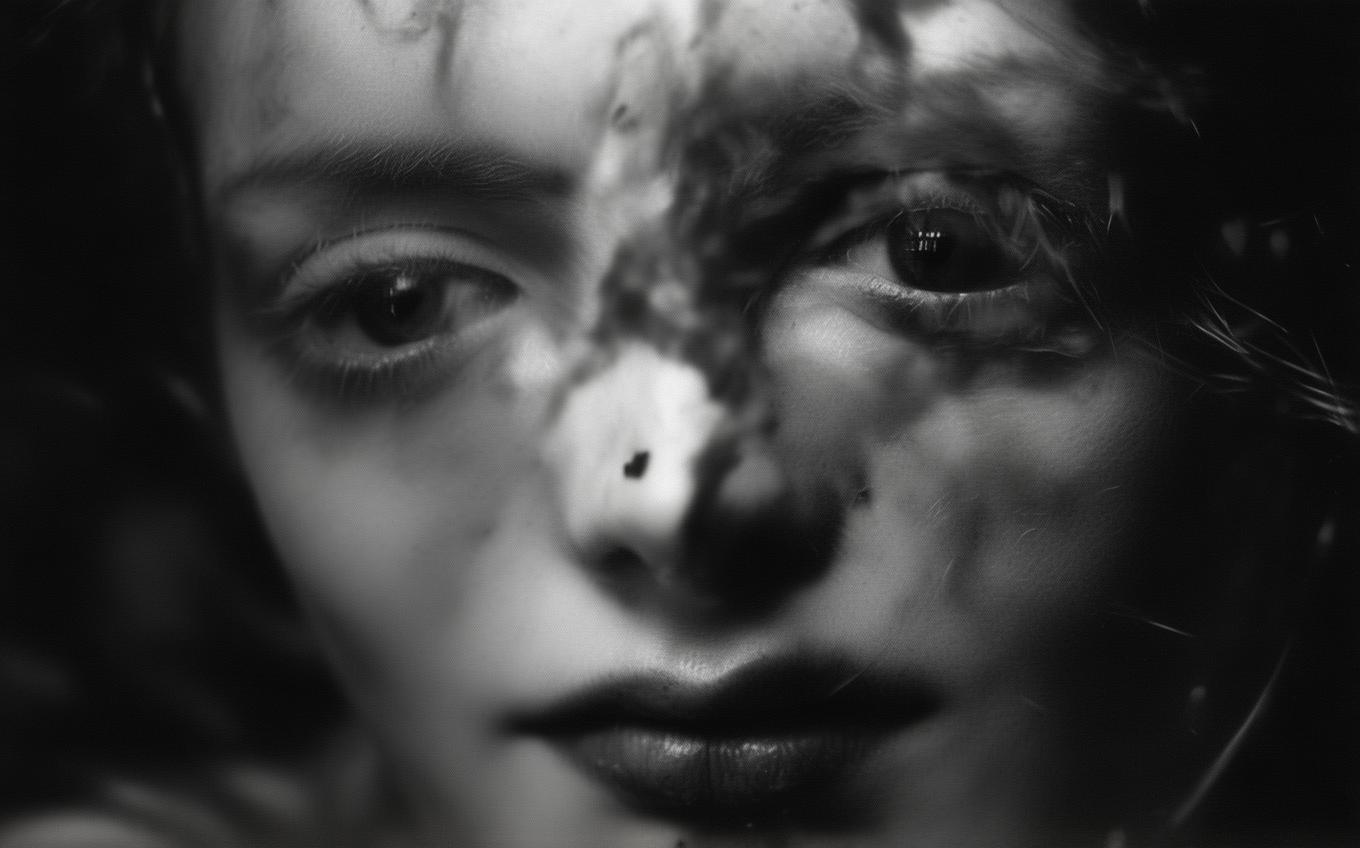
The word "惨白" is used to describe a pallor that goes beyond ordinary paleness. It implies an unhealthy, frightening, or tragic quality to the white color. Most commonly, it describes a person’s face when they are extremely frightened, severely ill, in shock, or have seen something horrifying. The paleness is so intense that it suggests a loss of vitality, almost like the color of a corpse.
Besides describing faces, it can be applied to other things—such as a "惨白的月光" (deathly pale moonlight) or a "惨白的墙壁" (a stark, ghastly white wall), where the white color feels cold, bleak, and devoid of warmth. The word carries a strong emotional overtone of misery, terror, or lifelessness. -
Character Breakdown:
- 惨 (cǎn): This character means "miserable," "tragic," "cruel," or "brutal." It often conveys suffering, extreme hardship, or something heartbreaking. Examples: 悲惨 (tragic), 惨剧 (tragedy).
- 白 (bái): This character simply means "white" or "pale."
When combined, "惨白" literally means a white that is linked to misery, tragedy, or cruelty. The paleness is not neutral or beautiful, but one caused by or associated with suffering and shock. Think of it as "a white of despair."
3. Example Sentences
- Chinese: 他听到那个坏消息后,脸色变得惨白。
- Pinyin: Tā tīng dào nàge huài xiāoxi hòu, liǎnsè biàn de cǎnbái.
-
English: After hearing the bad news, his face turned deathly pale.
-
Chinese: 病人躺在床上一动不动,面容惨白,看起来非常虚弱。
- Pinyin: Bìngrén tǎng zài chuáng shàng yídòng bú dòng, miànróng cǎnbái, kàn qǐlái fēicháng xūruò.
-
English: The patient lay motionless on the bed with a ghastly pale face, looking extremely weak.
-
Chinese: 惨白的灯光下,她苍白的脸显得毫无生气。
- Pinyin: Cǎnbái de dēngguāng xià, tā cāngbái de liǎn xiǎnde háo wú shēngqì.
- English: Under the deathly pale lamplight, her already pale face looked completely lifeless.
Cultural Notes
In Chinese culture, color symbolism is strong. White (白) itself can represent death and mourning (e.g., white clothing at funerals). Adding 惨 intensifies the morbid connotation. A "惨白" face is often associated with ghostly figures in horror stories or with someone who has just encountered a supernatural entity. The word effectively paints a picture of extreme fright or severe illness, and it is commonly used in literature and daily speech to vividly convey a person's emotional or physical state.
Conclusion
To remember "惨白", think of a whiteness that is not pure or bright, but miserable and terrifying—like someone who has seen a ghost or is at death’s door. The word fuses the idea of tragedy (惨) with the color white (白) to describe a pallor full of distress. It is your go-to adjective for a face drained of all color by fear, shock, or severe sickness.
Sources and Further Reading
Dictionary links are provided for independent reference. Example sentences and learning notes on this page are educational explanations rather than dictionary quotations.


Comments (0)
No comments yet. Be the first to comment!