1. Basic Information
- Word: 沧桑
- Pinyin: cāng sāng
- Literal Meaning: “blue-green sea” and “mulberry fields”
- Primary Meaning: Great changes over time; the marks or feeling of having experienced many hardships and changes in life
2. In-depth Explanation
- Context and Usage:
沧桑 is a literary and emotionally rich word in Chinese. It is often used to describe major changes caused by time, history, or life experience. In English, it can be translated depending on context as “vicissitudes,” “great changes,” “weathered,” “world-weary,” or “marked by life’s hardships.”
沧桑 can describe both places and people.
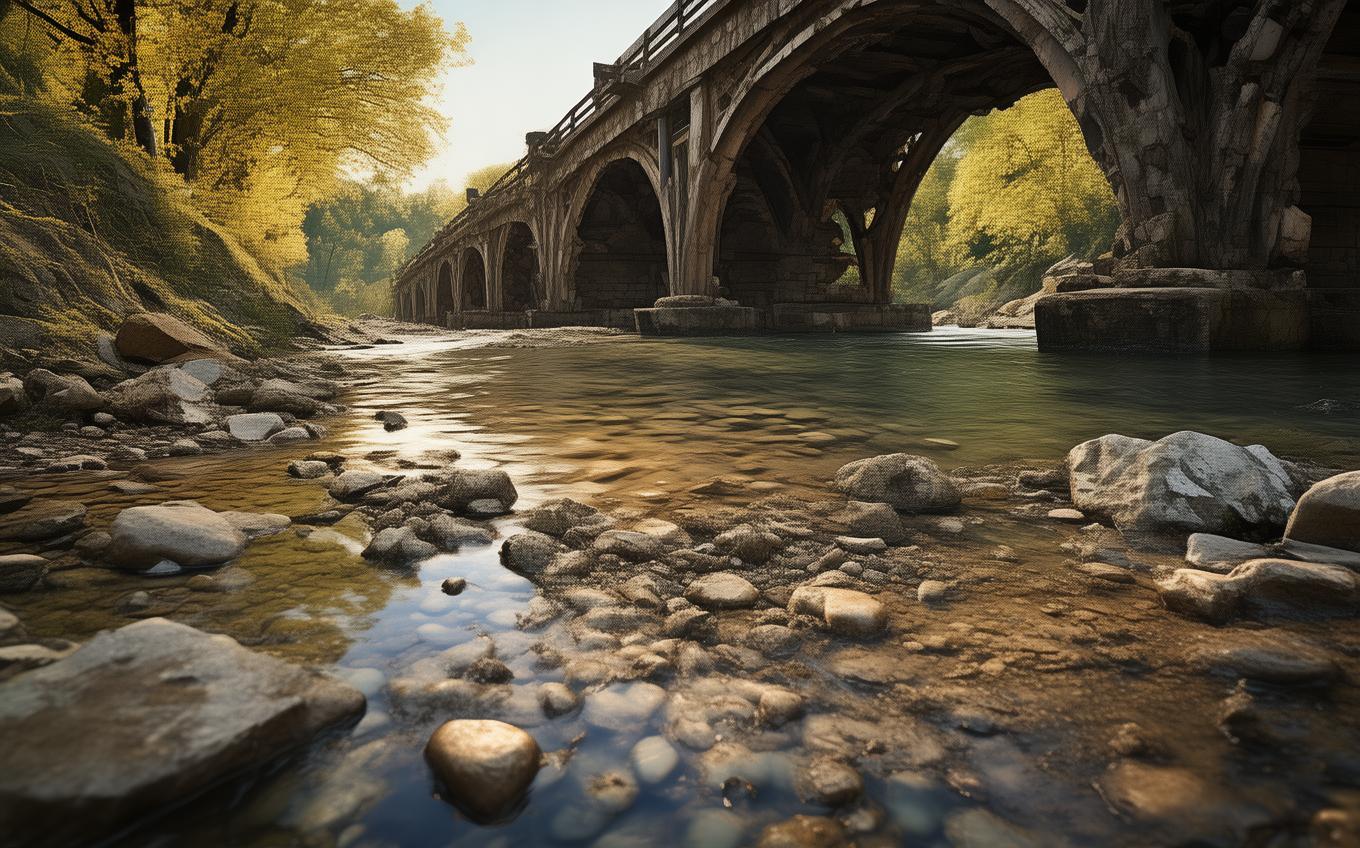
When used for places, it often means that a place has gone through many historical changes. For example, an ancient city, an old street, or a historic building may have a feeling of 沧桑 because it carries traces of time and history.
When used for people, it often describes someone who looks or feels as if they have experienced many difficulties in life. A person with a 沧桑 face may appear older, tired, deep, or emotionally mature because of hardship.
This word usually has a serious, poetic, or reflective tone. It is not commonly used in casual daily conversation for simple changes. Instead, it suggests deep, long-term transformation or emotional depth.
-
Character Breakdown:
沧桑 is short for the idiom-like expression 沧海桑田, which literally means “the blue sea turns into mulberry fields.” This image describes huge changes in the world over a long period of time. -
沧: Refers to a dark blue or blue-green color, often connected with the sea. In the expression 沧海, it means “the vast blue sea.”
- 桑: Means “mulberry tree” or “mulberry field.” Mulberry leaves are traditionally associated with raising silkworms in Chinese culture.
Together, 沧桑 suggests the feeling that even seas can become fields, and fields can become seas — a poetic way to express dramatic changes over time.
3. Example Sentences
- Chinese: 这座古城充满了沧桑的气息。
- Pinyin: Zhè zuò gǔchéng chōngmǎn le cāngsāng de qìxī.
-
English: This ancient city is full of a sense of history and change.
-
Chinese: 多年的漂泊让他的脸上写满了沧桑。
- Pinyin: Duōnián de piāobó ràng tā de liǎn shàng xiě mǎn le cāngsāng.
-
English: Years of wandering made his face look weathered by life.
-
Chinese: 经过几十年的变化,这个小村庄也变得沧桑了。
- Pinyin: Jīngguò jǐ shí nián de biànhuà, zhège xiǎo cūnzhuāng yě biàn de cāngsāng le.
- English: After several decades of change, this small village has also taken on a weathered, timeworn feeling.
Cultural Notes (if applicable)
沧桑 is closely connected to the traditional Chinese phrase 沧海桑田, which comes from ancient Chinese ideas about time, nature, and impermanence. The phrase imagines the sea changing into mulberry fields, symbolizing enormous changes across history.
Because of this cultural background, 沧桑 often carries a poetic and philosophical feeling. It is not just about physical aging or change; it also suggests memory, history, hardship, and emotional depth.
For example, in Chinese literature, songs, and films, a character described as 沧桑 may be someone who has suffered, traveled widely, lost loved ones, or witnessed major historical events. Similarly, an old town, a ruined wall, or a faded photograph may be described as having 沧桑感, meaning “a sense of historical depth” or “a weathered feeling.”
A useful related phrase is:
- 沧桑感: a sense of age, history, or life experience
Example:
- Chinese: 这张照片很有沧桑感。
- Pinyin: Zhè zhāng zhàopiàn hěn yǒu cāngsāng gǎn.
- English: This photo has a strong feeling of age and history.
Conclusion
沧桑 is a powerful and poetic Chinese word that describes deep changes over time and the marks left by life, history, or hardship. Remember that it comes from the image of “the sea turning into mulberry fields,” so it often suggests dramatic transformation, emotional depth, and the passage of time. Use 沧桑 when you want to describe something or someone that feels weathered, historical, or shaped by many life experiences.
Sources and Further Reading
Dictionary links are provided for independent reference. Example sentences and learning notes on this page are educational explanations rather than dictionary quotations.


Comments (0)
No comments yet. Be the first to comment!