1. Basic Information
- Word: 藏品
- Pinyin: cángpǐn
- Literal Meaning: “stored/collected items” or “treasured items”
- Primary Meaning: A collected item; an item in a collection, especially one kept by a museum, collector, gallery, or institution.
2. In-depth Explanation
- Context and Usage:
藏品 is a noun used to refer to objects that are collected, preserved, or displayed because they have value. This value may be artistic, historical, cultural, financial, or personal.
In English, 藏品 can often be translated as “collection item,” “collectible,” “collected work,” or “item in a collection.” It is commonly used in contexts such as museums, art galleries, antique collecting, private collections, and cultural heritage.
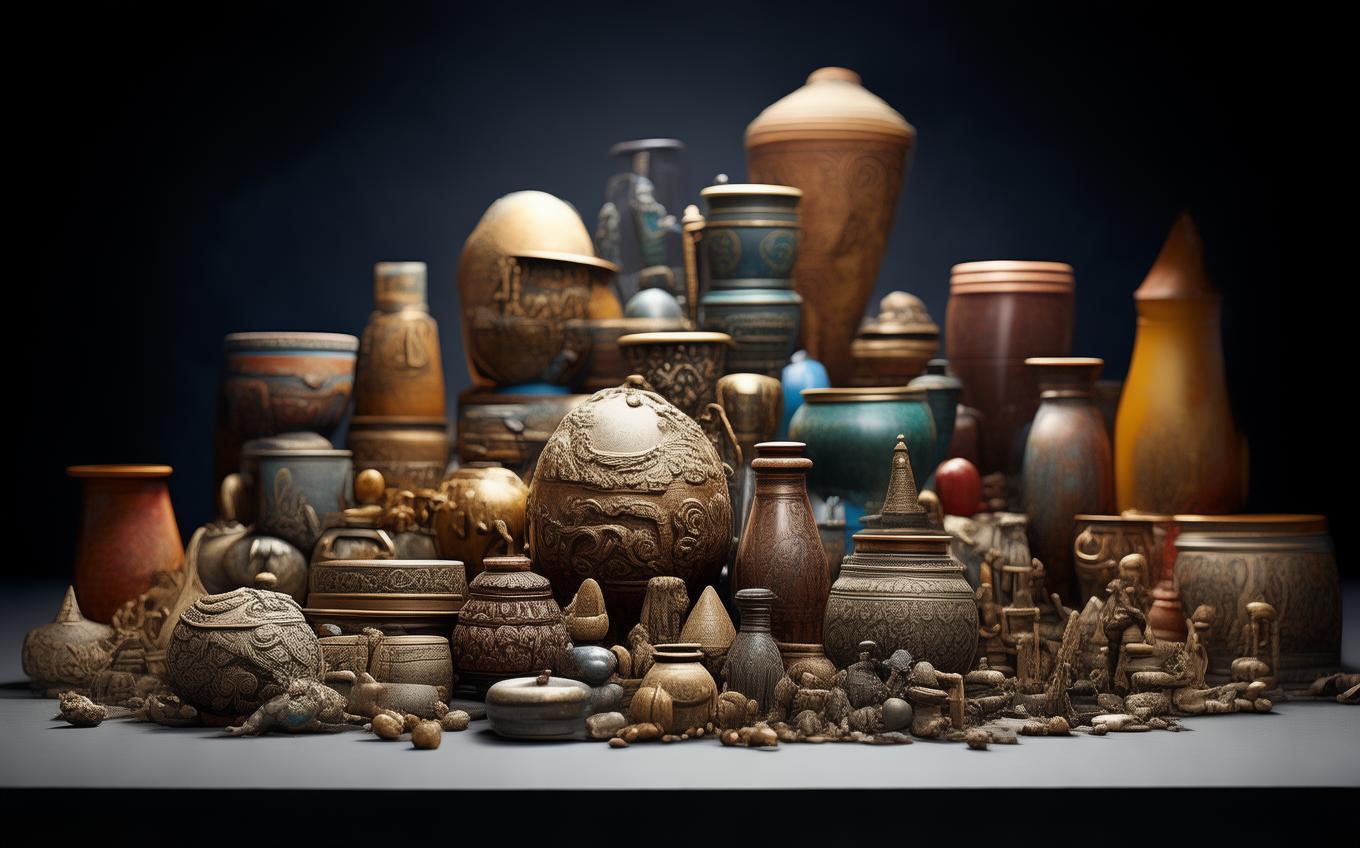
For example, a museum may have ancient pottery, paintings, calligraphy, or bronze objects as 藏品. A private collector may also own valuable 藏品 such as stamps, coins, paintings, or antiques.
藏品 usually sounds more formal than everyday words like “things I collect.” It often suggests that the items are valuable, carefully kept, or worth appreciating.
-
Character Breakdown:
藏品 is made up of two characters: -
藏: to store, to hide, to keep, to collect
In 藏品, 藏 is pronounced cáng and means “to store” or “to collect.” Be careful: 藏 is a polyphonic character. It can also be pronounced zàng in words related to Tibet, such as 西藏. -
品: item, product, object, article
品 often refers to an item or object, especially one that can be classified, evaluated, or appreciated.
Together, 藏品 means “items that are collected or stored,” especially valuable or meaningful collected objects.
3. Example Sentences
- Chinese: 这家博物馆有许多珍贵的藏品。
- Pinyin: Zhè jiā bówùguǎn yǒu xǔduō zhēnguì de cángpǐn.
-
English: This museum has many precious items in its collection.
-
Chinese: 他的藏品包括古书、邮票和瓷器。
- Pinyin: Tā de cángpǐn bāokuò gǔshū, yóupiào hé cíqì.
-
English: His collection includes ancient books, stamps, and porcelain.
-
Chinese: 这幅画是私人藏品,不对外展出。
- Pinyin: Zhè fú huà shì sīrén cángpǐn, bú duìwài zhǎnchū.
- English: This painting is a private collection item and is not displayed to the public.
Cultural Notes (if applicable)
In Chinese culture, collecting has a long history. Traditional 藏品 often include calligraphy, paintings, jade, porcelain, bronze objects, ancient books, seals, coins, and antiques. Many collectors value these items not only for their price, but also for their historical and cultural meaning.
The word 藏品 is often seen in museums and exhibitions. For example, 博物馆藏品 means “museum collection items,” and 珍贵藏品 means “precious collection items.” In formal settings, 藏品 can sound refined and respectful, especially when referring to art or cultural relics.
Conclusion
藏品 means “a collected item” or “an item in a collection.” Remember that 藏 means “to store or collect,” and 品 means “item.” The word is commonly used for valuable objects kept by museums, collectors, or institutions, such as artworks, antiques, stamps, coins, or cultural relics.
Sources and Further Reading
Dictionary links are provided for independent reference. Example sentences and learning notes on this page are educational explanations rather than dictionary quotations.



Comments (0)
No comments yet. Be the first to comment!