
1. Basic Information
- Word: 层次
- Pinyin: céng cì
- Literal Meaning: “layers” + “order/sequence”
- Primary Meaning: level, layer, hierarchy, or degree of organization/detail
2. In-depth Explanation
- Context and Usage:
层次 is used to describe different “levels” or “layers” within something. It can refer to physical layers, social or organizational levels, levels of meaning, quality, structure, or complexity.
In English, 层次 can often be translated as “level,” “layer,” “hierarchy,” “depth,” or “structure,” depending on the context.
Common usage areas include:
- Writing or speech: describing whether ideas are well-organized and clearly structured.
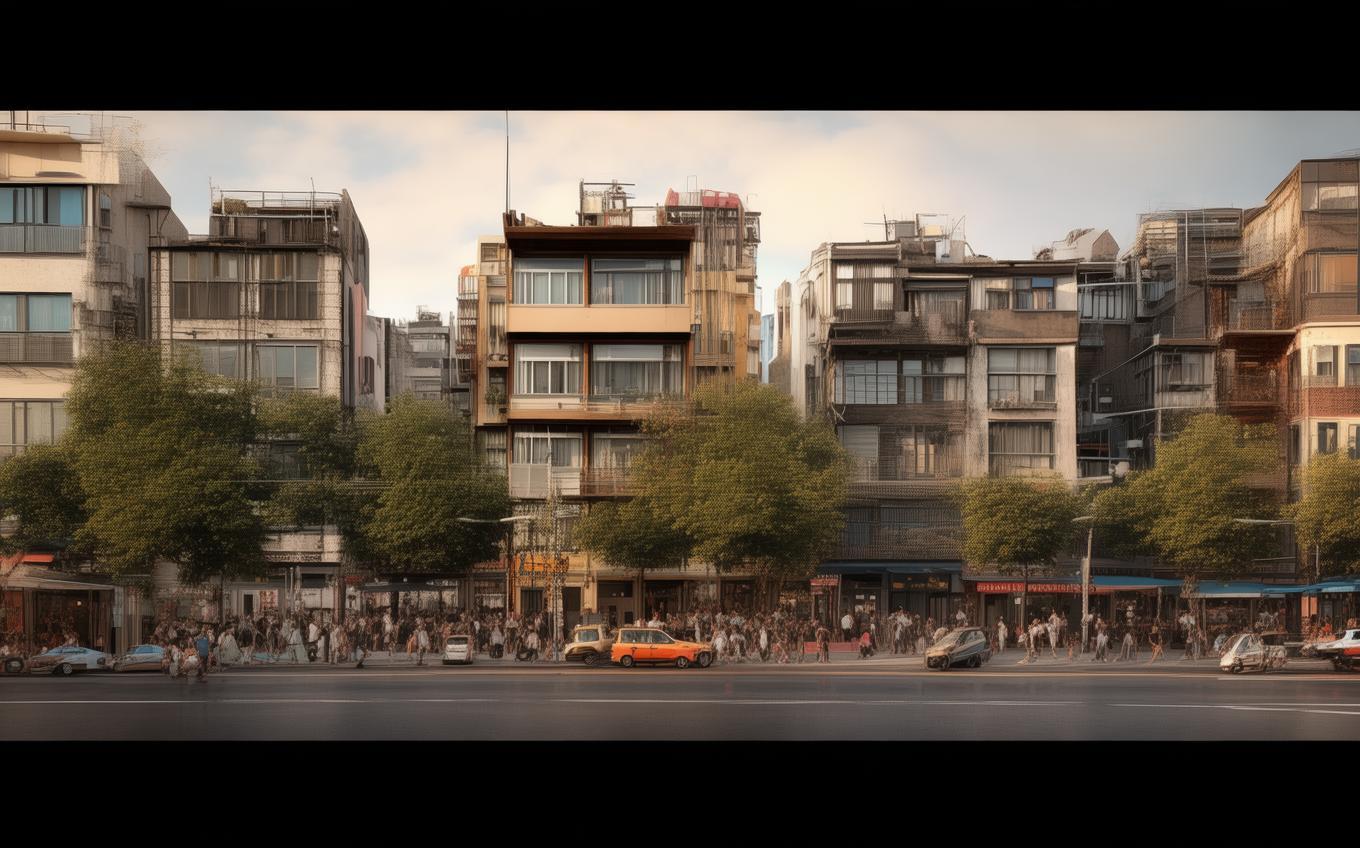
- Art or design: describing visual layers, depth, or richness.
- Society or organizations: referring to different levels or classes.
- Thinking or analysis: describing depth or complexity.
For example, when someone says an article “has 层次,” they usually mean the article is well-structured, with clear levels of ideas. When someone says a person’s thinking “has 层次,” it means their thinking is deep, organized, and not superficial.
- Character Breakdown:
- 层: layer, floor, level. This character often refers to something stacked or arranged in layers, such as floors of a building or layers of meaning.
- 次: order, sequence, rank, or occurrence. It suggests arrangement, ranking, or progression.
Together, 层次 suggests “layers arranged in order,” which leads to meanings like “level,” “structure,” or “hierarchy.”
3. Example Sentences
- Chinese: 这篇文章的层次很清楚。
- Pinyin: Zhè piān wénzhāng de céngcì hěn qīngchu.
-
English: The structure of this article is very clear.
-
Chinese: 他的分析很有层次。
- Pinyin: Tā de fēnxī hěn yǒu céngcì.
-
English: His analysis is very well-structured and in-depth.
-
Chinese: 这幅画的颜色很有层次感。
- Pinyin: Zhè fú huà de yánsè hěn yǒu céngcìgǎn.
- English: The colors in this painting have a strong sense of depth and layering.
Cultural Notes (if applicable)
In Chinese, 层次 is often used in evaluations of writing, art, speech, and thinking. A teacher might say a student’s essay “层次清楚,” meaning the ideas are logically arranged. In professional or academic contexts, saying something “有层次” is a positive comment, suggesting depth, clarity, and organization.
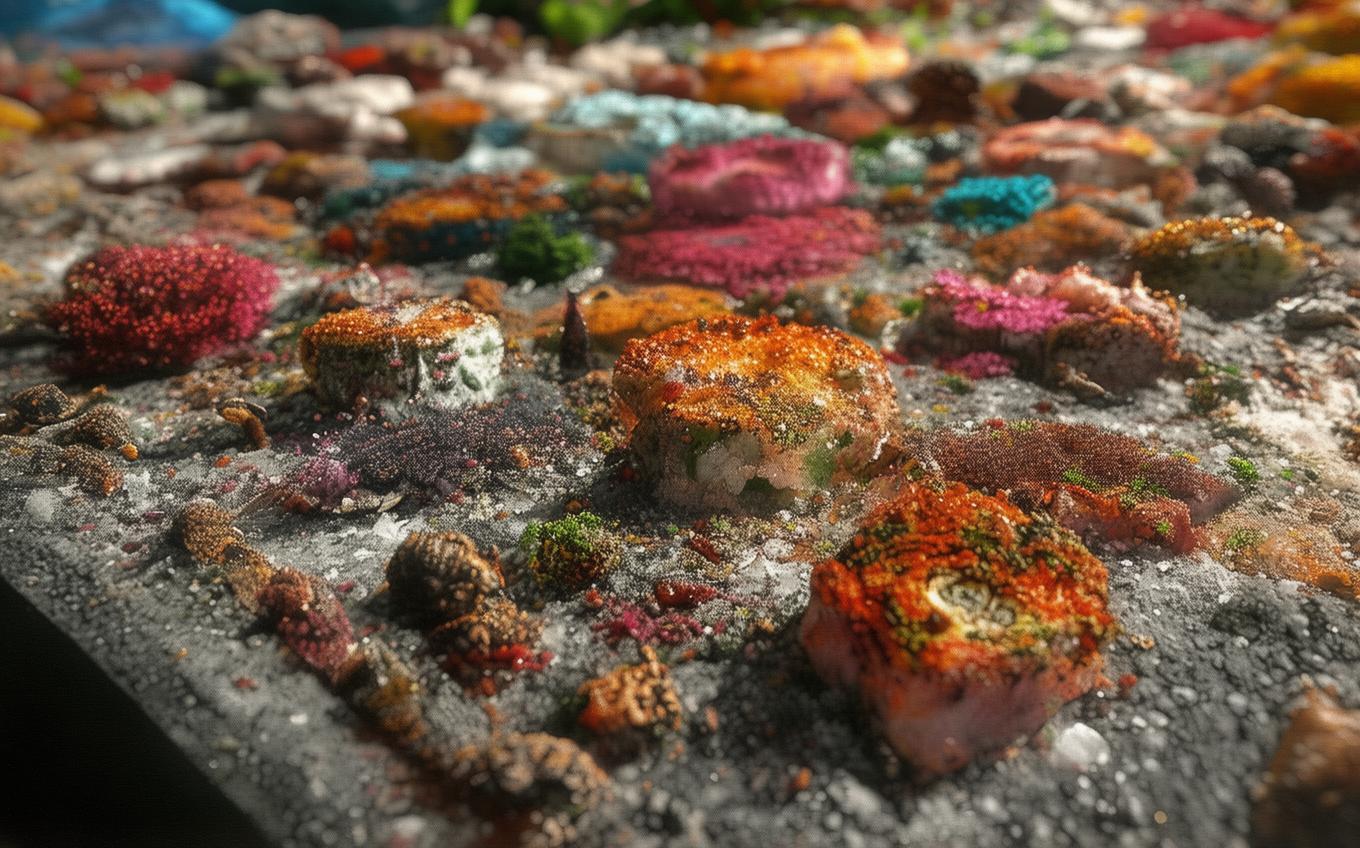
A related phrase is 层次感 (céngcìgǎn), meaning “sense of layering” or “sense of depth.” It is commonly used in art, photography, fashion, interior design, and food presentation.
Conclusion
层次 means “level,” “layer,” or “structure.” Remember it as “ordered layers”: 层 means “layer,” and 次 means “order” or “sequence.” Use 层次 when talking about organization, depth, hierarchy, or different levels within something.
Sources and Further Reading
Dictionary links are provided for independent reference. Example sentences and learning notes on this page are educational explanations rather than dictionary quotations.

Comments (0)
No comments yet. Be the first to comment!