1. Basic Information
- Word: 潮流
- Pinyin: cháoliú
- Literal Meaning: “tide current” or “tidal flow”
- Primary Meaning: trend, current, fashion (a prevailing tendency, movement, or style)
2. In-depth Explanation
-
Context and Usage:
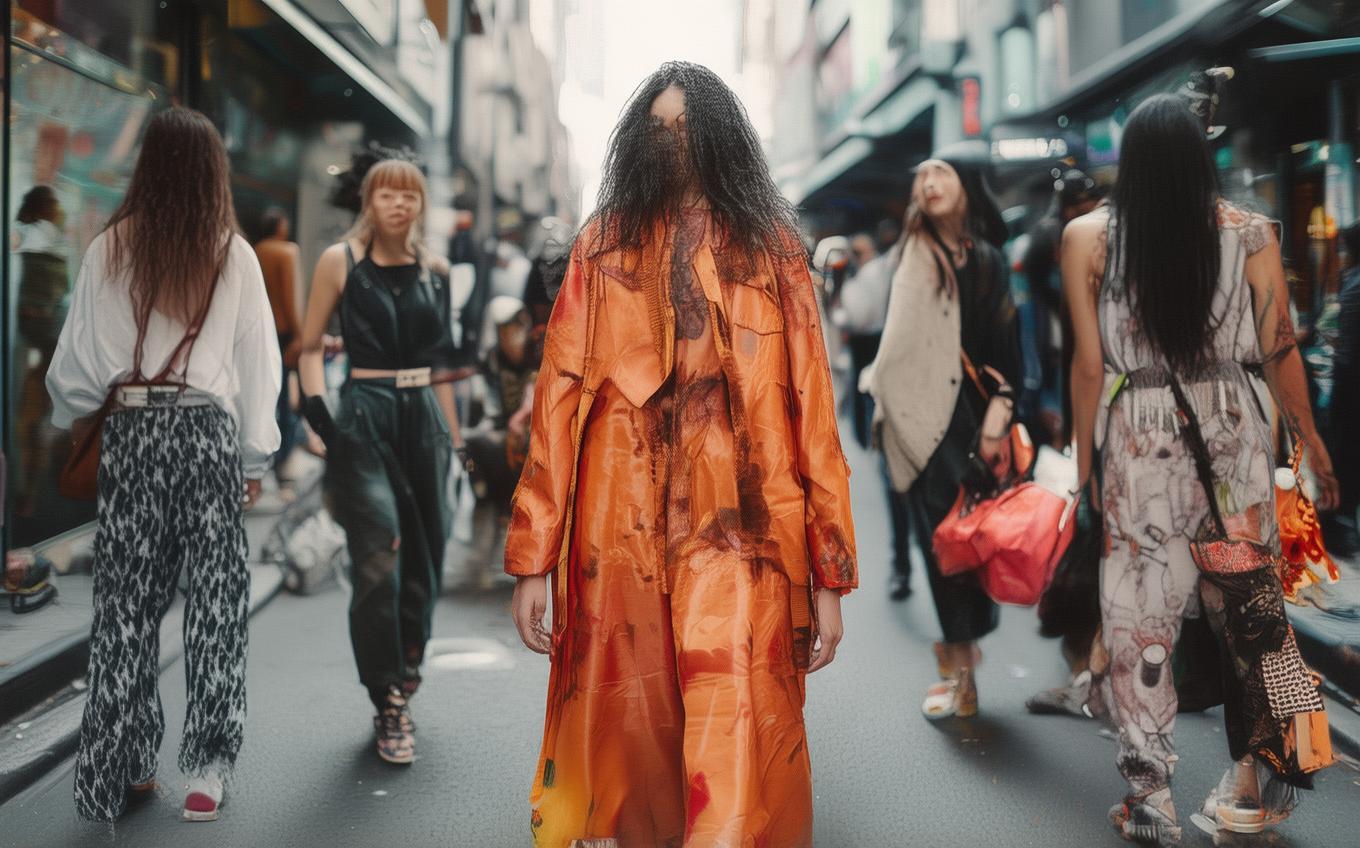
The word 潮流 describes trends in areas like fashion, culture, technology, or social behavior. It is most often used figuratively, as a noun. Common verbs that go with it include 追随 (zhuīsuí, to follow), 引领 (yǐnlǐng, to lead), and 顺应 (shùnyìng, to go along with).
One key nuance: 潮流 implies a broad, forceful movement that flows like an ocean tide—strong, directional, and often shared by many people. It is not just a short-lived fad but a current that gains momentum over time. It can be used neutrally ("the trend toward online shopping"), positively ("a new wave of creativity"), or with a slightly critical tone ("blindly following the crowd"). Occasionally, 潮流 still appears in its literal sense of ocean tides, but in modern everyday Chinese the figurative meaning dominates. -
Character Breakdown:
- 潮 (cháo): This character means “tide” or “moist.” The left component 氵(three drops of water) signals that it is related to water. Historically it referred to the periodic rise and fall of the sea, and by extension it suggests something that surges and spreads widely.
- 流 (liú): This character means “to flow,” “stream,” or “current.” It also contains the water radical. It describes continuous movement in one direction, like a river.
Together, 潮流 literally paints a picture of a “flowing tide,” a powerful current of water. This makes it a perfect metaphor for social and cultural movements that sweep people along.
3. Example Sentences
-
Chinese: 年轻人总是追逐最新的时尚潮流。
Pinyin: Niánqīngrén zǒngshì zhuīzhú zuìxīn de shíshàng cháoliú.
English: Young people always chase the latest fashion trends. -
Chinese: 环保已经成为全球的潮流。
Pinyin: Huánbǎo yǐjīng chéngwéi quánqiú de cháoliú.
English: Environmental protection has become a global trend. -
Chinese: 他喜欢逆潮流而行,不随大流。
Pinyin: Tā xǐhuān nì cháoliú ér xíng, bù suídàliú.
English: He likes to go against the tide and not follow the crowd.
Cultural Notes
Water metaphors run deep in Chinese culture. The idea of a tide that can either carry you forward or overwhelm you echoes famous sayings like “水能载舟,亦能覆舟” (water can carry a boat but also overturn it). Applied to 潮流, this hints at the double-edged nature of trends—they can give you momentum or make you lose your own direction. In modern China, the word is everywhere in advertising and media, often linked with being “cool” or “hip.” From this, we get terms like 潮人 (cháo rén, a trendy person) and 潮牌 (cháo pái, trendy streetwear brands). While following 潮流 can signal that you are modern and cosmopolitan, there is also a growing appreciation for individualism and for those who dare to go against the tide.
Conclusion
To remember 潮流 (cháoliú), picture a powerful ocean tide—a flowing current that represents what is popular and moving in society right now. Whether you follow it or resist it, this word captures the force of collective trends in Chinese. Keep an eye out for it when talking about fashion, lifestyle, or any big movement in culture.
Sources and Further Reading
Dictionary links are provided for independent reference. Example sentences and learning notes on this page are educational explanations rather than dictionary quotations.



Comments (0)
No comments yet. Be the first to comment!