
1. Basic Information
- Word: 炒作
- Pinyin: chǎo zuò
- Literal Meaning: “stir-fry” + “make/do” → to stir-fry and create
- Primary Meaning: to hype; to sensationalize; to artificially promote something (a person, product, event, etc.) in order to attract public attention, often in an exaggerated or manipulative way
2. In-depth Explanation
-
Context and Usage
炒作 is used when someone deliberately generates buzz or controversy around a topic, typically for profit, fame, or publicity. It strongly implies that the excitement is unnatural, staged, or overblown. The word is almost always negative or critical. You will hear it in entertainment news (a celebrity’s scandal is called a 炒作), in marketing (a brand’s “viral” campaign that feels forced), and even in finance (speculating on stocks or real estate). The core idea is “making a mountain out of a molehill” for attention.
Nuance: While the English “hype” can sometimes be neutral or positive (“hype for a new movie”), 炒作 nearly always suggests dishonesty, manipulation, or a cynical grab for eyeballs. -
Character Breakdown
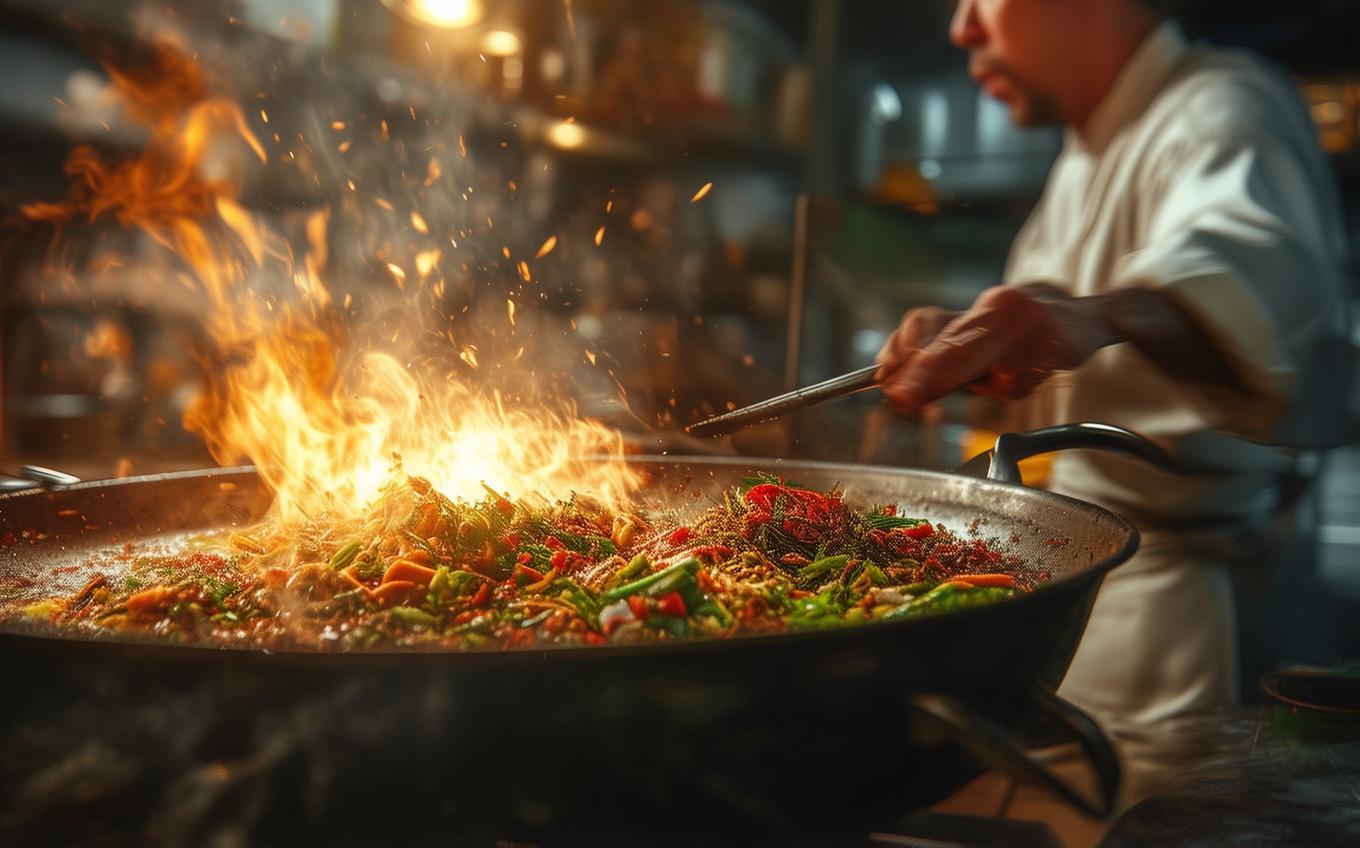
- 炒 (chǎo): literally “to stir-fry” (food in a wok). Metaphorically it means “to stir things up,” “to speculate,” or “to hype.” When you stir-fry, you keep turning the ingredients over heat to make them fragrant and hot — in the same way, 炒 in this word means constantly manipulating information to keep it “hot” in public discussion.
- 作 (zuò): “to make,” “to do,” “to create.” It contributes the sense of producing an effect or outcome. Together, 炒作 can be imagined as “cooking up a storm” — creating a noisy, heated situation through deliberate actions.
3. Example Sentences
-
Chinese: 那个明星的绯闻只是一次炒作,根本就不是真的。
Pinyin: Nà ge míngxīng de fēiwén zhǐ shì yī cì chǎozuò, gēnběn jiù bù shì zhēn de.
English: That celebrity's scandal was just a hype stunt; it wasn’t real at all. -
Chinese: 这家公司为了推出新产品,在网上大量炒作,结果很多人都反感。
Pinyin: Zhè jiā gōngsī wèile tuīchū xīn chǎnpǐn, zài wǎngshang dàliàng chǎozuò, jiéguǒ hěn duō rén dōu fǎngǎn.
English: To launch its new product, this company hyped it heavily online, but as a result many people were turned off. -
Chinese: 有人怀疑这个视频是自我炒作,故意引起争论来提高点击率。
Pinyin: Yǒu rén huáiyí zhè ge shìpín shì zìwǒ chǎozuò, gùyì yǐnqǐ zhēnglùn lái tígāo diǎnjīlǜ.
English: Some suspect this video is self-promotional hype, deliberately provoking controversy to increase views.
Cultural Notes
In Chinese internet culture, 炒作 is a pervasive label. Whenever a story suddenly explodes online, netizens quickly ask, “Is this 炒作?” (这是炒作吗?). The term reflects a widespread caution toward media manipulation. It also connects to the phrase 自我炒作 (zìwǒ chǎozuò, self-hype), where individuals (often micro-celebrities) stage events to boost their own fame. In a business context, 炒作 describes speculative bubbles — 炒股票 (chǎo gǔpiào, “stir-fry stocks”) uses the same 炒 to mean “to speculate.” The cooking metaphor is deeply embedded: just as a chef controls the heat to make a dish sizzle, a person can “cook” public opinion.
Conclusion
Think of 炒作 as “artificially turning up the heat.” Whenever you see a publicity effort that feels fake, exaggerated, or made only for clicks, you can call it 炒作. It’s a handy, critical word that captures the manipulative side of modern media — from celebrity gossip to viral marketing and even stock-market rumor-mongering. Remember the wok: the stir-frying creates noise and steam, but it’s not real cooking — it’s just a show.
Sources and Further Reading
Dictionary links are provided for independent reference. Example sentences and learning notes on this page are educational explanations rather than dictionary quotations.


Comments (0)
No comments yet. Be the first to comment!