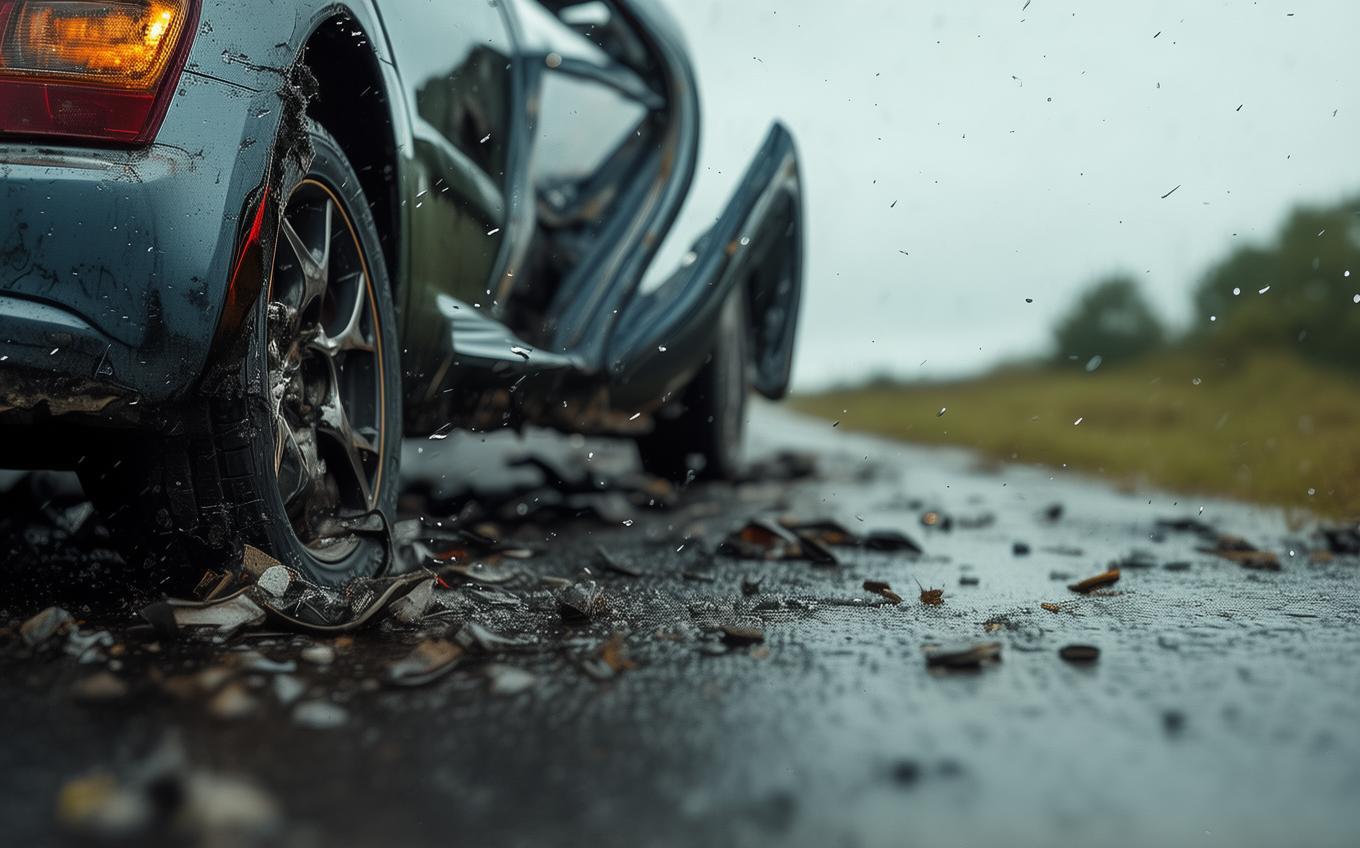
1. Basic Information
- Word: 车祸
- Pinyin: chē huò
- Literal Meaning: vehicle disaster / car misfortune
- Primary Meaning: car accident; traffic accident involving a vehicle
2. In-depth Explanation
Context and Usage:
In everyday Chinese, "车祸" (chē huò) is the most common word for a traffic accident, especially one involving cars, trucks, or motorcycles. It can refer to anything from a minor fender bender to a serious, even fatal, collision. The word is neutral in tone and is used in both casual conversation and formal news reports. Unlike the English phrase "car crash," which often implies a violent impact, "车祸" simply means a vehicle-related accident, regardless of severity. You’ll hear it on the news ("今天高速上发生了一起严重车祸" – There was a serious accident on the highway today) or in everyday warnings ("开车小心,别出车祸" – Drive carefully, don't get into an accident).
Character Breakdown:
- 车 (chē) – vehicle; car. This character originally depicted a cart or chariot and now refers broadly to any wheeled vehicle.
- 祸 (huò) – disaster; misfortune; calamity. This character often appears in words related to accidents or bad luck, such as "祸害" (calamity) or "惹祸" (to court disaster).
Together, "车祸" literally means "vehicle disaster." The combination is straightforward and easy to remember: the disaster (祸) associated with a vehicle (车).
3. Example Sentences
-
Chinese: 昨天夜里,那条街上发生了一起严重的车祸。
Pinyin: Zuótiān yèlǐ, nà tiáo jiē shang fāshēng le yī qǐ yánzhòng de chēhuò.
English: Last night, a serious car accident happened on that street. -
Chinese: 他因为车祸在医院住了两个星期。
Pinyin: Tā yīnwèi chēhuò zài yīyuàn zhù le liǎng gè xīngqī.
English: He stayed in the hospital for two weeks because of a car accident. -
Chinese: 下雨天路滑,容易出车祸,一定要减速慢行。
Pinyin: Xiàyǔ tiān lù huá, róngyì chū chēhuò, yīdìng yào jiǎnsù màn xíng.
English: The roads are slippery on rainy days, and accidents happen easily; you must slow down and drive carefully.
Cultural Notes
In Chinese-speaking societies, traffic accidents are a serious social concern due to high population density and rapid urbanization. The word "车祸" often appears in public safety campaigns, news headlines, and legal contexts. There is also a cultural belief that talking too much about accidents might bring bad luck, so some people avoid the word in casual chat, instead using softer phrases like "出事了" (something happened) or "撞车了" (collided). Moreover, in Chinese media, reporting on a celebrity’s "车祸" might refer to an actual accident or, in online slang, a "car crash" in the sense of a drastically unflattering photo or a sudden failure (though this slang usage is less common than the literal meaning).
Conclusion
Remember "车祸" (chē huò) as the go-to word for any vehicle-related accident. The two characters are easy: 车 (vehicle) + 祸 (disaster). It’s a neutral-term you’ll encounter often in news, daily conversations, and safety warnings. Use it when speaking about traffic accidents, and note the cultural tendency to sometimes avoid the word in superstitious contexts. With this word in your vocabulary, you can express one of the most common unfortunate events in modern life.
Sources and Further Reading
Dictionary links are provided for independent reference. Example sentences and learning notes on this page are educational explanations rather than dictionary quotations.


Comments (0)
No comments yet. Be the first to comment!