1. Basic Information
- Word: 车轴
- Pinyin: chē zhóu
- Literal Meaning: “vehicle axle” or “cart axle”
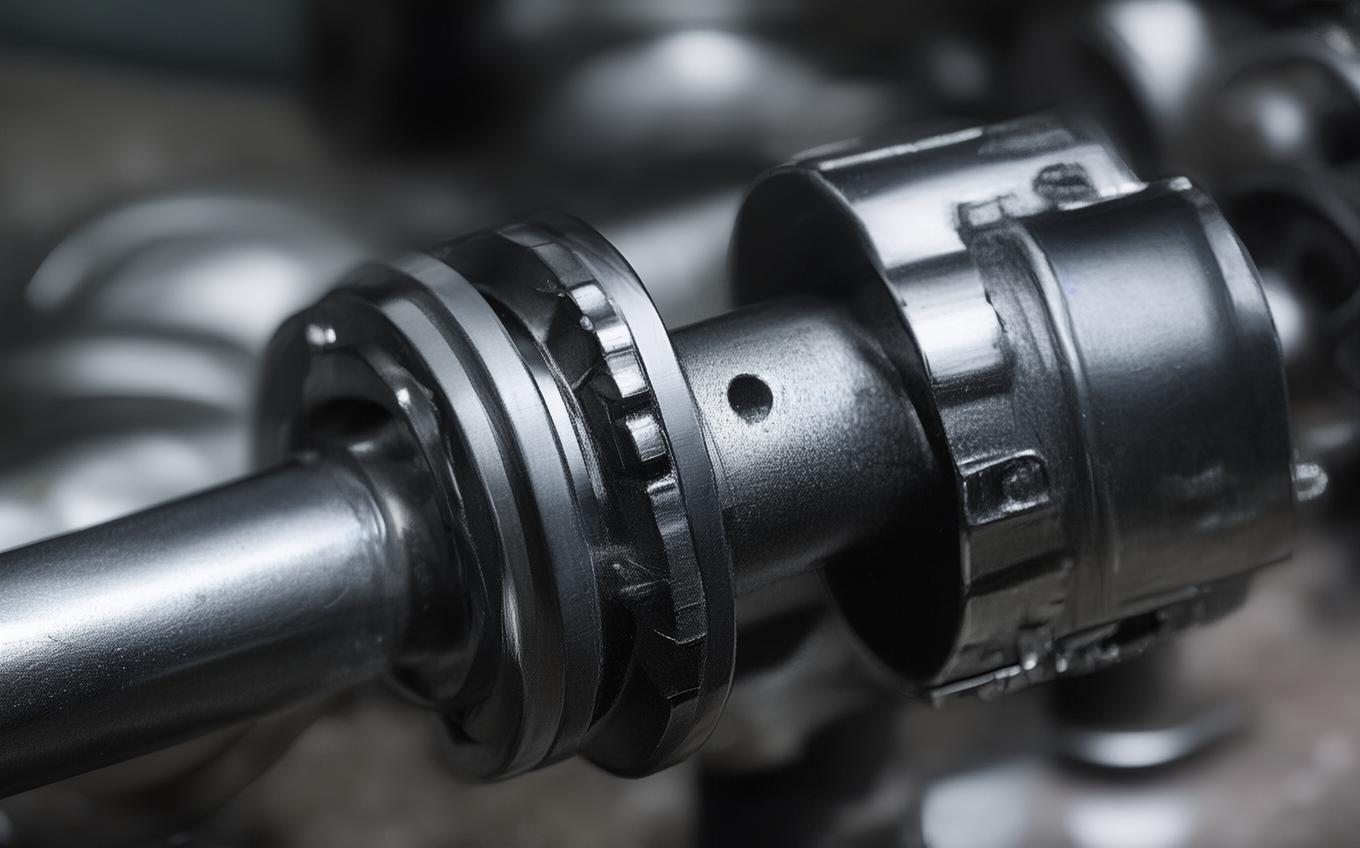
- Primary Meaning: An axle; the rod or shaft that connects wheels and allows them to rotate, especially on a vehicle.
2. In-depth Explanation
- Context and Usage:
车轴 is a technical or everyday mechanical term used to refer to the axle of a vehicle, cart, bicycle, or other wheeled object. It is most often used when talking about vehicle structure, repairs, machinery, or traditional carts.
In English, 车轴 is usually translated as “axle.” For example, if a car, cart, or bicycle has a broken axle, you can use 车轴 to describe the damaged part.
This word is relatively concrete and practical. It is not usually used in casual conversation unless people are discussing vehicles, mechanical problems, or transportation equipment.
- Character Breakdown:
- 车 means “vehicle,” “car,” “cart,” or “wheel-related object.”
- 轴 means “axis,” “shaft,” or “axle.”
Together, 车轴 literally means “vehicle axle,” referring to the central shaft connected to wheels.
3. Example Sentences
- Chinese: 这辆车的车轴坏了。
- Pinyin: Zhè liàng chē de chē zhóu huài le.
-
English: The axle of this vehicle is broken.
-
Chinese: 工人正在检查卡车的车轴。
- Pinyin: Gōng rén zhèng zài jiǎn chá kǎ chē de chē zhóu.
-
English: The workers are checking the truck’s axle.
-
Chinese: 如果车轴太旧,开车会很危险。
- Pinyin: Rú guǒ chē zhóu tài jiù, kāi chē huì hěn wēi xiǎn.
- English: If the axle is too old, driving can be very dangerous.
Cultural Notes (if applicable)
In traditional China, carts pulled by people, horses, oxen, or donkeys were common forms of transportation. The 车轴 was an important part of these carts because it supported the wheels and helped them turn smoothly. Because of this, the word 车轴 can appear in discussions of both modern vehicles and traditional transportation.
The character 轴 is also used in other words related to rotation or central lines, such as 地轴, meaning “Earth’s axis,” and 轴心, meaning “axis” or “center.”
Conclusion
车轴, pronounced chē zhóu, means “axle.” You can remember it by breaking it down into 车, meaning “vehicle,” and 轴, meaning “axis” or “shaft.” Together, they describe the shaft that connects and supports the wheels of a vehicle.
Sources and Further Reading
Dictionary links are provided for independent reference. Example sentences and learning notes on this page are educational explanations rather than dictionary quotations.



Comments (0)
No comments yet. Be the first to comment!