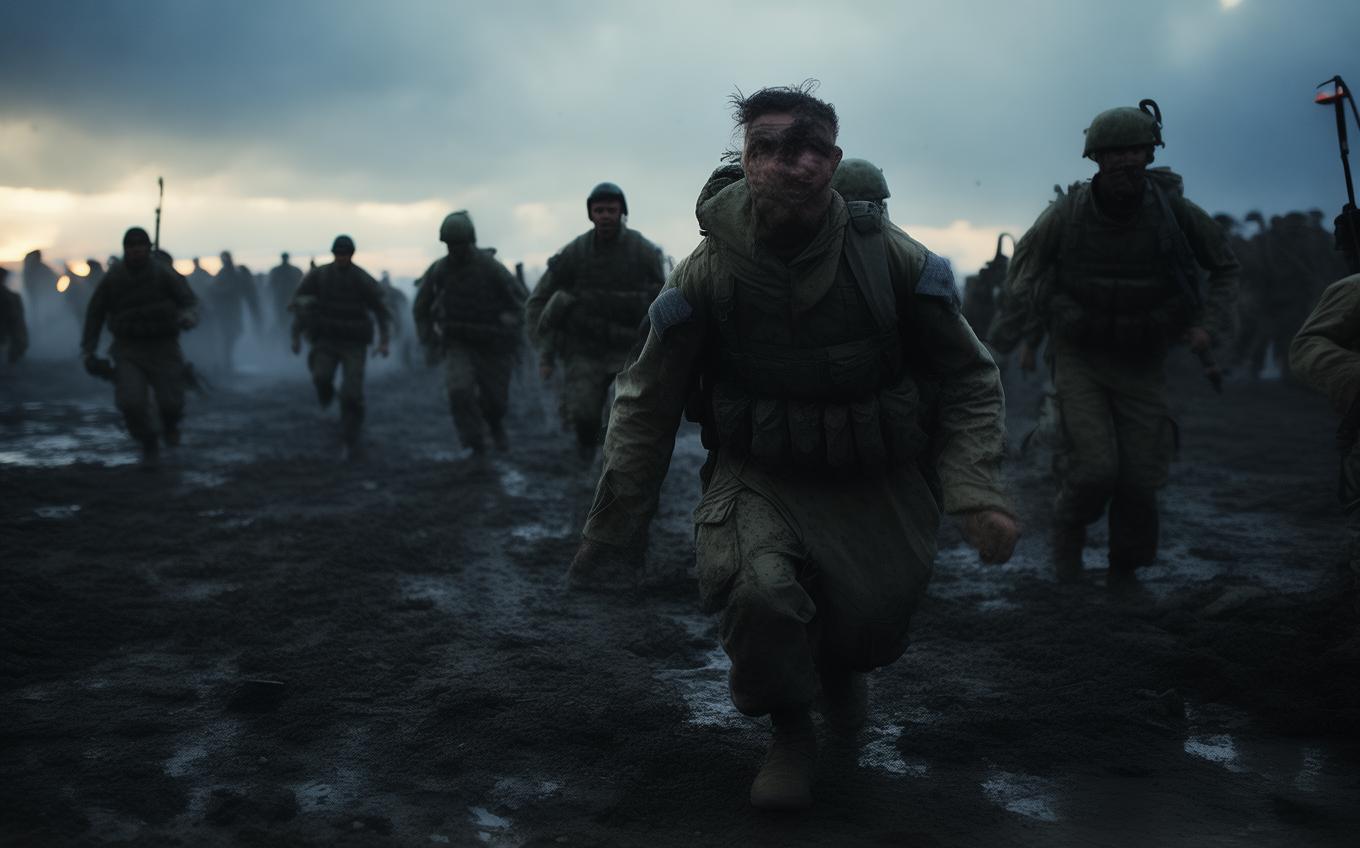
1. Basic Information
- Word: 撤退
- Pinyin: chè tuì
- Literal Meaning: "withdraw" + "retreat"
- Primary Meaning: to retreat, to pull back, to evacuate from a place or position (often used in military, strategic, or everyday contexts)
2. In-depth Explanation
-
Context and Usage:
"撤退" is a versatile verb that describes the action of withdrawing or moving back from a current location or situation. It can be used in formal military operations (e.g., army retreat), as well as in daily life to say someone is leaving a place they were previously in, or a group is pulling out of an agreement or activity.
The word often implies that the withdrawal is deliberate or ordered, sometimes to avoid danger, loss, or for strategic reasons. It can carry a neutral tone (simply leaving) or a sense of reversal (stepping back after advancing). In some contexts, it may have a slightly negative connotation if it means giving up or admitting defeat, but it is not inherently negative—it can simply mean "to move back safely." -
Character Breakdown:
- 撤 (chè): This character means "to remove," "to take away," "to withdraw." It appears in words like 撤销 (chèxiāo, to revoke/cancel) and 撤走 (chèzǒu, to evacuate). The left part is the hand radical (扌) indicating action, while the right part suggests the sound.
- 退 (tuì): This means "to retreat," "to move back," "to decline." It shows up in 后退 (hòutuì, to fall back), 退休 (tuìxiū, to retire). The character includes the radical 辶 (walking/movement), emphasizing physical movement backward.
Together, 撤退 literally means "to remove (oneself) and step back," encapsulating the idea of a coordinated or individual backward movement.
3. Example Sentences
-
Chinese: 军队在天亮前悄悄撤退了。
Pinyin: Jūnduì zài tiān liàng qián qiāoqiāo chètuì le.
English: The army withdrew quietly before dawn. -
Chinese: 由于资金不足,他们不得不从这个项目中撤退。
Pinyin: Yóuyú zījīn bùzú, tāmen bùdé bù cóng zhège xiàngmù zhōng chètuì.
English: Due to insufficient funds, they had to pull out of this project. -
Chinese: 天气太恶劣了,我们必须马上撤退到山脚下。
Pinyin: Tiānqì tài èliè le, wǒmen bìxū mǎshàng chètuì dào shānjiǎo xià.
English: The weather is too harsh; we must retreat to the foot of the mountain immediately.
Cultural Notes (if applicable)
In Chinese military history and literature, 撤退 appears frequently. A famous example is the Long March (长征), where the Red Army carried out a strategic 撤退 to evade encirclement—a retreat that is framed not as a defeat but as a heroic tactical repositioning. In modern corporate or daily use, saying "撤退" can sound a bit formal or decisive; in casual speech, people might simply say "走" (zǒu, to leave) or "离开" (líkāi, to depart). However, when you want to emphasize a planned, group, or strategic withdrawal, 撤退 is the perfect term.
Conclusion
To remember "撤退," picture a hand (扌 in 撤) pulling something back while taking a step backward (辶 in 退). It’s the word for retreating—whether from a battlefield, a business deal, or a dangerous situation. Use it whenever you need to describe an organized or deliberate pulling back of people or resources.
Sources and Further Reading
Dictionary links are provided for independent reference. Example sentences and learning notes on this page are educational explanations rather than dictionary quotations.



Comments (0)
No comments yet. Be the first to comment!