1. Basic Information
- Word: 陈列
- Pinyin: chénliè
- Literal Meaning: to lay out / display + to arrange / line up
- Primary Meaning: to display, to exhibit, to set out (items for viewing or sale)
2. In-depth Explanation
-
Context and Usage:
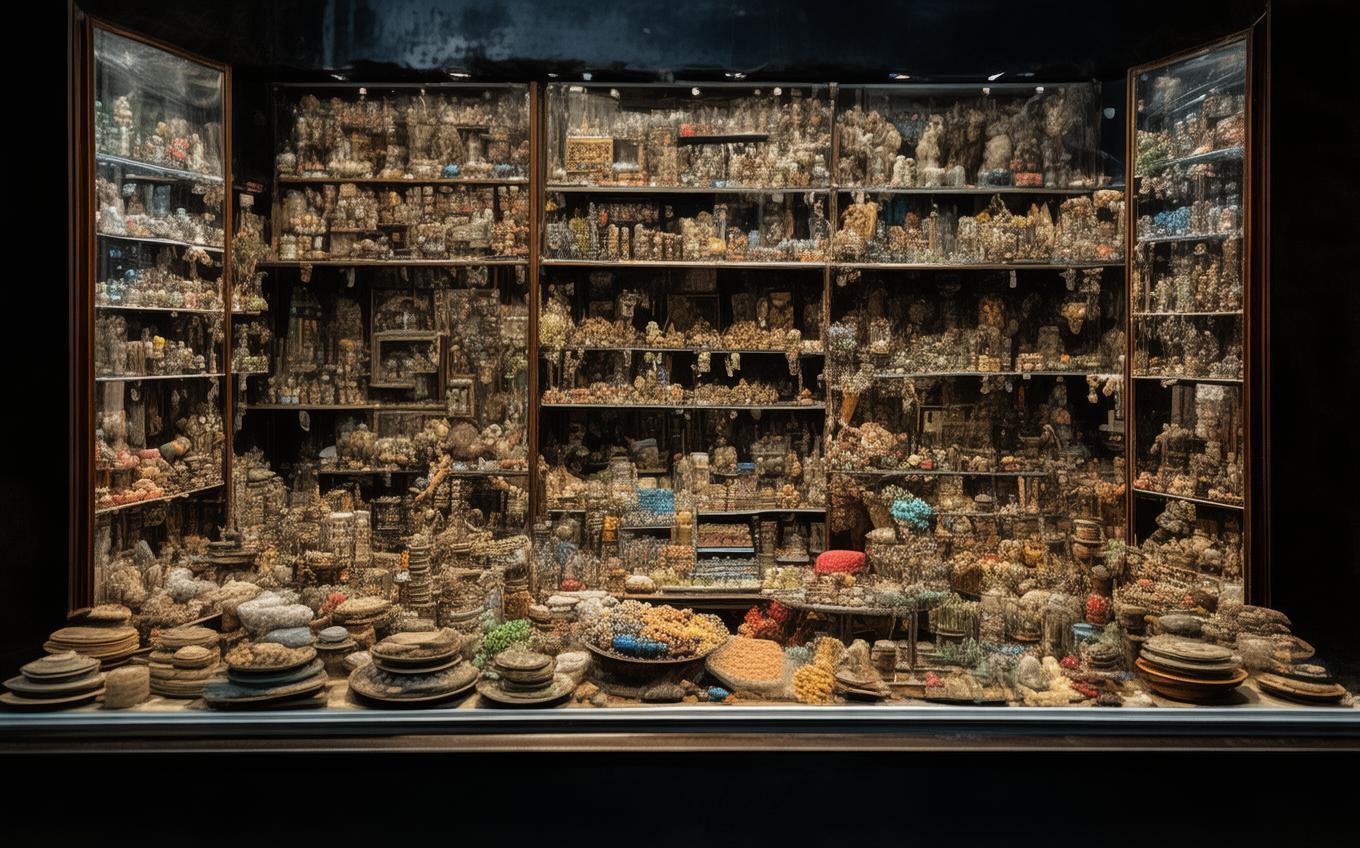
“陈列” is a formal yet common word used to describe the act of placing objects in an orderly arrangement so they can be seen clearly by others. It is most often used in contexts like retail displays, museum exhibitions, trade shows, and any situation where items are intentionally set out for public inspection. The emphasis is on neat, organized presentation rather than simply putting things down.
For example, a store “陈列” goods on shelves, a gallery “陈列” artworks, and a sample room “陈列” product samples. The word implies a certain care and systematic arrangement. It is not typically used for showing off personal possessions in a casual way; that might call for words like “展示” (zhǎnshì, to show/demonstrate) or “炫耀” (xuànyào, to flaunt).
“陈列” is also neutral in tone — it can describe permanent exhibits, temporary displays, or even a designer laying out options. There is no strong emotional connotation; it simply describes the purposeful arrangement for observation. -
Character Breakdown:
- 陈 (chén): This character originally meant “to lay out” or “to exhibit,” and by extension “to state.” In “陈列,” it carries the sense of setting something out, making it visible.
- 列 (liè): Means “to arrange” or “to line up,” often in rows or files. It carries the idea of order, sequence, and organization.
Together, “陈列” paints a picture of laying things out in an organized manner, often in lines or systematic groups, so they can be easily viewed.
3. Example Sentences
-
Chinese: 这家商店的橱窗里陈列着最新款的衣服。
Pinyin: Zhè jiā shāngdiàn de chúchuāng lǐ chénliè zhe zuì xīn kuǎn de yīfu.
English: The latest styles of clothing are displayed in the shop window of this store. -
Chinese: 博物馆里陈列了许多古老的文物。
Pinyin: Bówùguǎn lǐ chénliè le xǔduō gǔlǎo de wénwù.
English: Many ancient artifacts are on display in the museum. -
Chinese: 请把这些样品整齐地陈列在展台上。
Pinyin: Qǐng bǎ zhèxiē yàngpǐn zhěngqí de chénliè zài zhǎntái shàng.
English: Please arrange these samples neatly on the exhibition stand.
Cultural Notes (if applicable)
In Chinese museums and traditional shops, the concept of “陈列” often extends beyond simply showing objects — it involves creating a harmonious and scholarly atmosphere. Historical displays might follow the aesthetic principles of balance, symmetry, and storytelling. For example, a traditional Chinese furniture display will “陈列” chairs, tables, and decorative screens in a way that reflects the lifestyle of a past era. In retail, especially during festivals like Chinese New Year, stores carefully “陈列” red decorations, gift boxes, and seasonal goods to attract good fortune and customers, turning the act of displaying into a culturally meaningful practice.
Conclusion
“陈列” (chénliè) is the go-to word for displaying items in a neat, organized manner for others to see — whether in a store, museum, or exhibition. Remember: “陈” lays it out, “列” arranges it; together they create an orderly presentation. When you want to describe how goods or artworks are shown purposefully, “陈列” is your word.
Sources and Further Reading
Dictionary links are provided for independent reference. Example sentences and learning notes on this page are educational explanations rather than dictionary quotations.


Comments (0)
No comments yet. Be the first to comment!