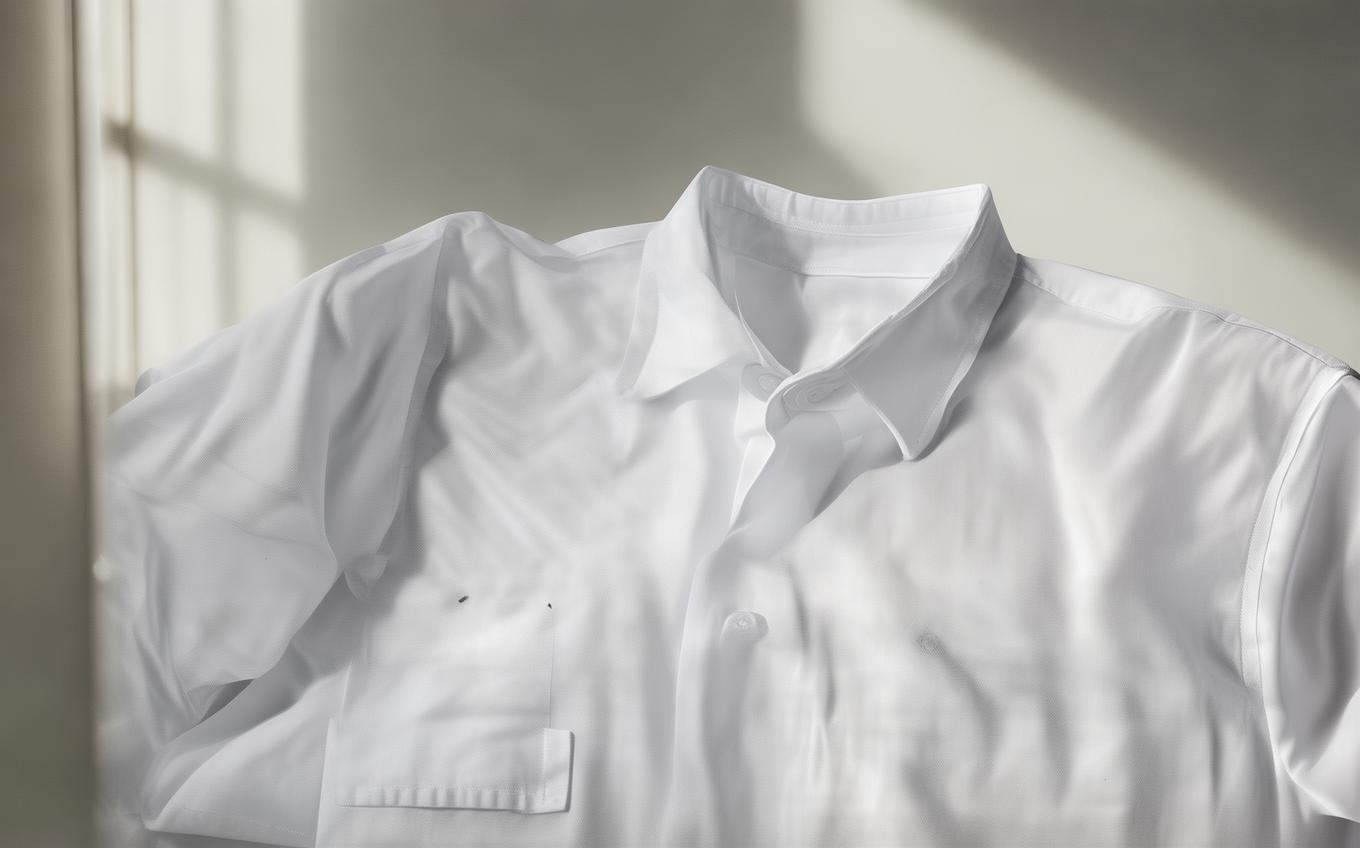
Understanding "衬衣" - Chinese Word Explanation
1. Basic Information
- Word: 衬衣
- Pinyin: chèn yī
- Literal Meaning: "lining garment" or "inner clothing"
- Primary Meaning: shirt (especially a button-up, collared shirt or blouse)
2. In-depth Explanation
Context and Usage
The word 衬衣 is a common Chinese term for a shirt, specifically a garment with a collar, buttons down the front, and long or short sleeves. It is typically worn as an outer top or as part of a formal outfit (e.g., under a suit jacket). Both men and women wear 衬衣, and the term can refer to anything from a crisp business shirt to a casual linen button-up.
While 衬衣 is widely understood, in everyday speech many Chinese speakers use 衬衫 (chèn shān) interchangeably. The two words are essentially synonyms for "shirt," but there are slight regional and stylistic preferences:
- 衬衫 is more common in southern China and in written, standardized Chinese.
- 衬衣 sounds slightly more northern or colloquial to some ears, though it is perfectly standard.
A basic, short-sleeved collared shirt can be called 衬衣, but note that T-shirts are usually called T恤 (T xù) and are not considered 衬衣. So 衬衣 always implies a button-up, collared style.
Character Breakdown
- 衬 (chèn) – The core meanings are “to line (clothing)”, “lining”, or “to serve as a background/foil.” Historically, it referred to an inner layer of clothing, an undergarment that provided lining or support. In modern usage, it retains that sense of something worn close to the body or beneath another layer.
- 衣 (yī) – A general character for “clothing” or “garment.” It appears in many clothing-related words (上衣 shàng yī – upper garment, 内衣 nèi yī – underwear).
Thus, the original literal meaning of 衬衣 was “inner garment” or “undershirt.” The word has evolved so that today it simply means a standard shirt – the kind that was historically worn as an inner layer but is now visible as a main piece of clothing.
3. Example Sentences
- Chinese: 今天他穿了一件白色衬衣和一条黑色裤子。
- Pinyin: Jīntiān tā chuān le yī jiàn báisè chènyī hé yī tiáo hēisè kùzi.
-
English: Today he wore a white shirt and a pair of black trousers.
-
Chinese: 这件蓝衬衣很配你的领带。
- Pinyin: Zhè jiàn lán chènyī hěn pèi nǐ de lǐngdài.
-
English: This blue shirt goes very well with your tie.
-
Chinese: 夏天我喜欢穿短袖衬衣,比较凉快。
- Pinyin: Xiàtiān wǒ xǐhuān chuān duǎnxiù chènyī, bǐjiào liángkuai.
- English: In summer I like to wear short-sleeved shirts; it’s cooler.
Cultural Notes
Historically, Chinese clothing often consisted of multiple layers, and the 衬衣 was the inner garment that protected the skin and absorbed sweat, much like a modern undershirt. As Western-style clothing became popular in China during the 20th century, the word 衬衣 shifted to refer to the Western button-up shirt. Today, the old “undergarment” meaning is mostly forgotten, and the word simply means “shirt.”
In some Chinese-speaking regions (like Taiwan), 衬衫 is overwhelmingly preferred, while in mainland China both words are used, with 衬衣 appearing frequently in northern dialects and everyday conversation. Learners can safely use either 衬衣 or 衬衫 to mean “shirt,” though 衬衫 may be slightly more universal in textbooks and formal writing.
Conclusion
To remember 衬衣, think of a crisp, button-up shirt that might once have been an “inner garment” but now stands on its own. The pinyin chèn yī should bring to mind the image of a collared shirt perfect for work or a smart-casual look. If you already know 衬衫, just treat 衬衣 as its friendly synonym – both mean “shirt,” with a touch of history in the characters.
Sources and Further Reading
Dictionary links are provided for independent reference. Example sentences and learning notes on this page are educational explanations rather than dictionary quotations.



Comments (0)
No comments yet. Be the first to comment!