1. Basic Information
- Word: 成群结队
- Pinyin: chéng qún jié duì
- Literal Meaning: “to form groups and join into teams”
- Primary Meaning: in groups; in large numbers; moving or gathering together in groups
2. In-depth Explanation
- Context and Usage:
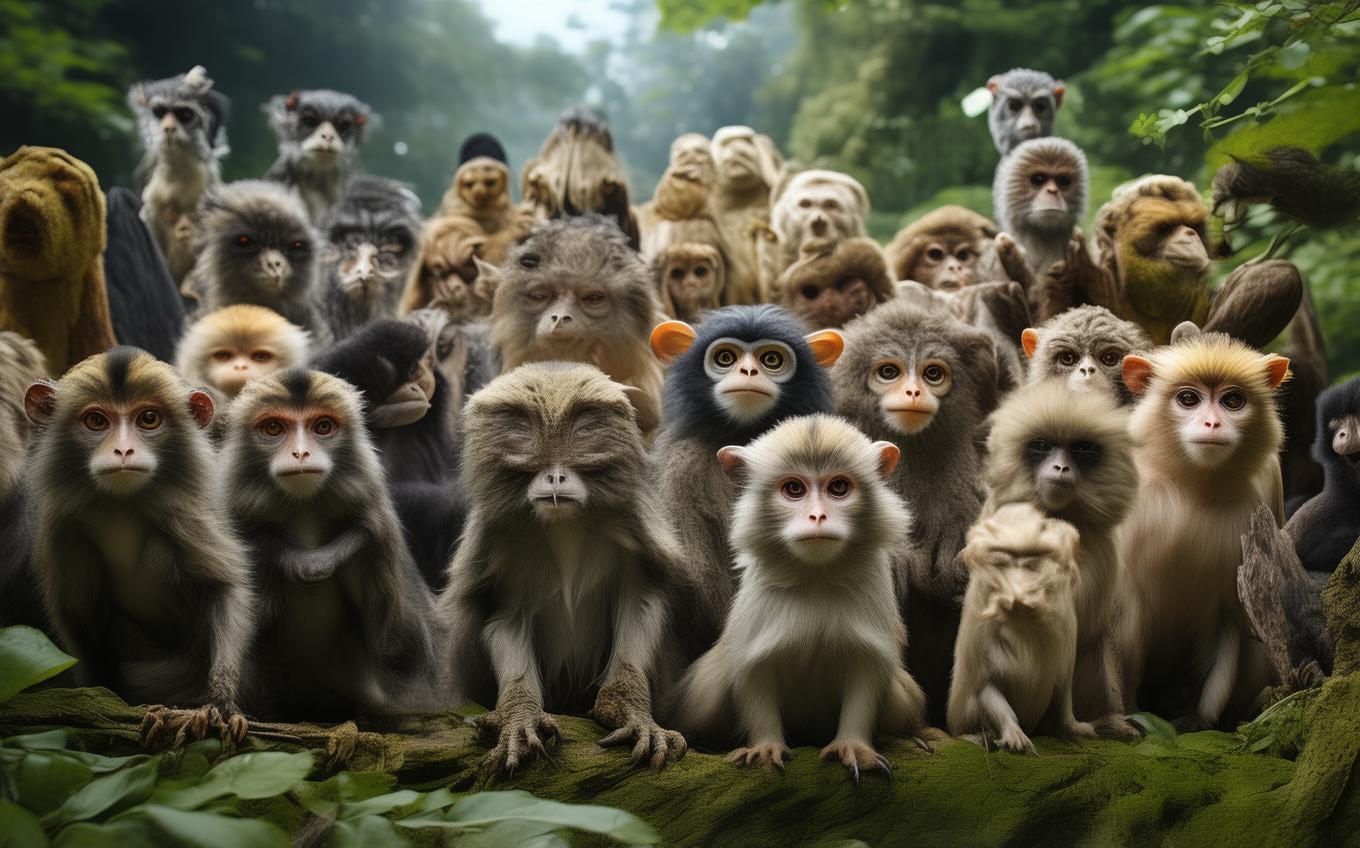
成群结队 is used to describe people, animals, or sometimes things appearing, moving, or gathering together in groups. It often emphasizes that there are many of them and that they are not alone or scattered.
In English, it can often be translated as “in groups,” “in crowds,” “in flocks,” “in herds,” or “in large numbers,” depending on the subject.
This expression is commonly used in descriptive writing, news, travel writing, and everyday speech. It often appears with verbs such as 来, 去, 走, 飞, 游, or 出现.
For example, you might use 成群结队 to describe tourists visiting a famous place, birds flying across the sky, fish swimming in the water, or students walking together after school.
The tone is generally neutral, but depending on context, it can feel lively, vivid, or even slightly negative if the groups are causing crowding or disorder.
- Character Breakdown:
- 成: to become; to form
- 群: group; crowd; flock; herd
- 结: to connect; to form; to join together
- 队: team; group; line
Together, 成群结队 creates the image of individuals forming groups and moving or appearing together.
3. Example Sentences
- Chinese: 春天来了,鸟儿成群结队地飞回来了。
- Pinyin: Chūntiān lái le, niǎor chéng qún jié duì de fēi huí lái le.
-
English: Spring has arrived, and the birds have flown back in flocks.
-
Chinese: 周末,游客成群结队地来到这座古城。
- Pinyin: Zhōumò, yóukè chéng qún jié duì de lái dào zhè zuò gǔchéng.
-
English: On the weekend, tourists came to this ancient city in large groups.
-
Chinese: 放学后,学生们成群结队地走出校门。
- Pinyin: Fàngxué hòu, xuésheng men chéng qún jié duì de zǒu chū xiàomén.
- English: After school, the students walked out of the school gate in groups.
Cultural Notes (if applicable)
成群结队 is a four-character expression, or 成语-like phrase, that sounds more vivid and polished than simply saying “many people” or “many animals.” Chinese often uses compact four-character expressions to create a strong visual effect.
This phrase is especially useful when describing scenes with movement. For example, tourists “coming in groups,” fish “swimming in groups,” or birds “flying in flocks.” It helps the listener picture the scene more clearly.
Be careful not to use it for just two or three people unless they are clearly part of a larger group pattern. 成群结队 usually suggests multiple groups or a noticeable number of people or animals.
Conclusion
成群结队 means “in groups” or “in large numbers.” Remember it as a phrase that describes people or animals forming groups and moving, gathering, or appearing together. It is a vivid and natural expression for describing crowds, flocks, herds, or groups in Chinese.
Sources and Further Reading
Dictionary links are provided for independent reference. Example sentences and learning notes on this page are educational explanations rather than dictionary quotations.



Comments (0)
No comments yet. Be the first to comment!