Understanding "城区" - Chinese Word Explanation
1. Basic Information
- Word: 城区
- Pinyin: chéngqū
- Literal Meaning: “city area” or “urban district”
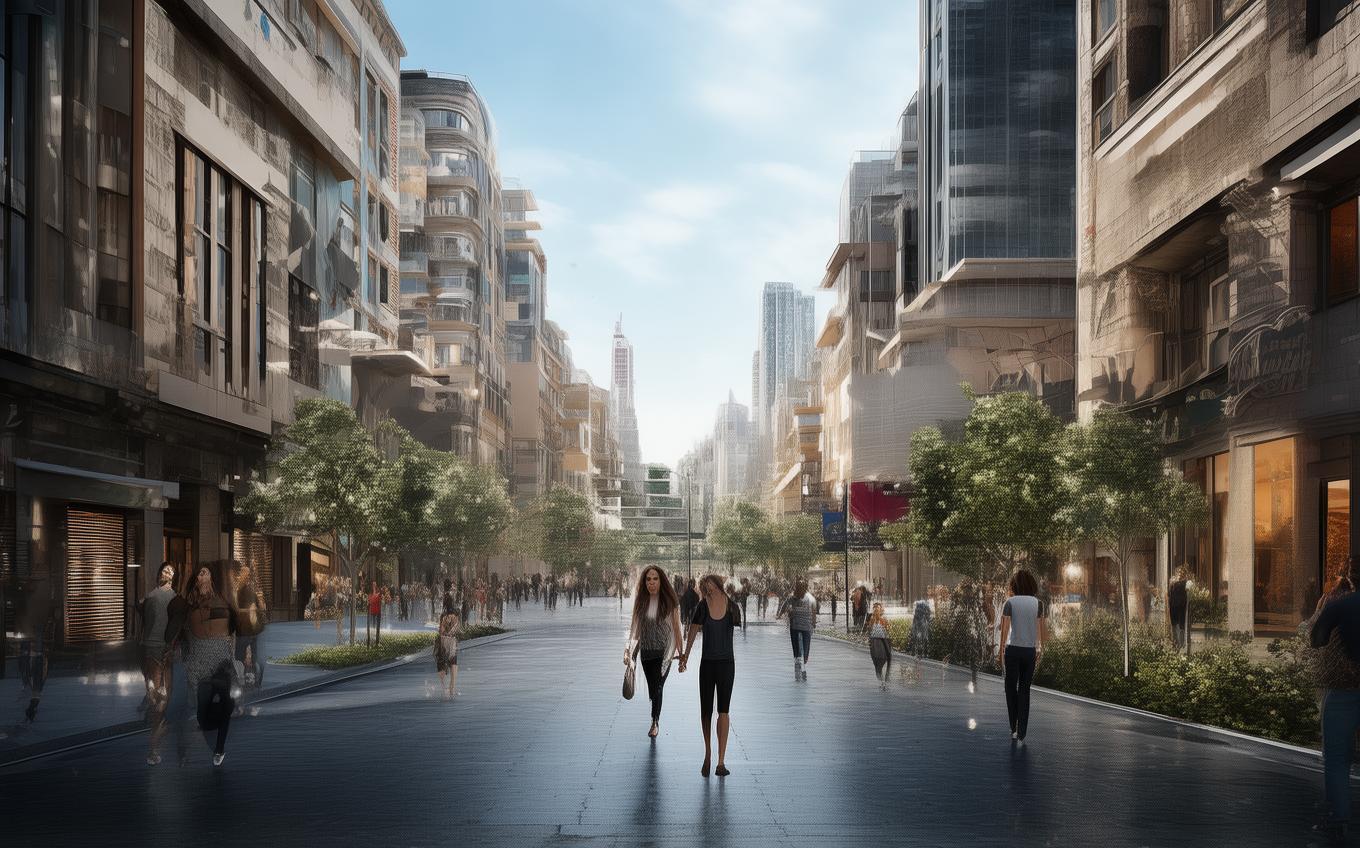
- Primary Meaning: the urban area of a city; the built-up city district, usually as opposed to rural outskirts or suburban counties
2. In-depth Explanation
- Context and Usage: 城区 is used to describe the main urban part of a city, especially the area with dense buildings, roads, shops, offices, and residential neighborhoods. It often contrasts with rural areas, suburbs, or surrounding counties. In English, it can often be translated as “urban area,” “city district,” “downtown area,” or “city proper,” depending on the context.
城区 is common in news, government documents, real estate, transportation, and everyday conversations about where something is located. For example, if someone says they live in 城区, they usually mean they live inside the main developed part of the city, not in the countryside or outer administrative areas.
- Character Breakdown:
- 城: city; city wall; urban settlement. Historically, 城 referred to a walled city or city wall, but in modern Chinese it commonly means “city.”
- 区: area; district; region. It refers to a defined section or administrative area.
Together, 城区 literally means “city area,” and it usually refers to the urbanized part of a city.
3. Example Sentences
- Chinese: 我家住在城区,去商场很方便。
- Pinyin: Wǒ jiā zhù zài chéngqū, qù shāngchǎng hěn fāngbiàn.
-
English: My family lives in the urban area, so it is very convenient to go to the shopping mall.
-
Chinese: 这条公交线路连接城区和郊区。
- Pinyin: Zhè tiáo gōngjiāo xiànlù liánjiē chéngqū hé jiāoqū.
-
English: This bus route connects the urban area and the suburbs.
-
Chinese: 周末城区的交通常常很拥堵。
- Pinyin: Zhōumò chéngqū de jiāotōng chángcháng hěn yōngdǔ.
- English: Traffic in the urban area is often very congested on weekends.
Cultural Notes (if applicable)
In China, cities are often divided administratively into different 区, 县, and sometimes 市 under a larger municipal government. 城区 does not always refer to one official district; instead, it often describes the more developed, central, urbanized part of a city. For example, a person might say “城区房价比较高,” meaning housing prices in the urban area are relatively high.
A related word is 市区, which is very similar and often interchangeable with 城区 in daily speech. However, 市区 may emphasize the city proper or municipal urban area, while 城区 emphasizes the built-up urban district as opposed to rural or suburban areas.
Conclusion
城区 means the main urban area or built-up district of a city. Remember it by breaking it down: 城 means “city,” and 区 means “area” or “district.” Together, 城区 refers to the “city area,” especially in contrast with suburbs, outskirts, or rural regions.
Sources and Further Reading
Dictionary links are provided for independent reference. Example sentences and learning notes on this page are educational explanations rather than dictionary quotations.
Comments (0)
No comments yet. Be the first to comment!