
Understanding "尺度" - Chinese Word Explanation
1. Basic Information
- Word: 尺度
- Pinyin: chǐ dù
- Literal Meaning: “ruler/measure” + “degree/extent”
- Primary Meaning: standard, scale, degree, or boundary used to judge, measure, or control something
2. In-depth Explanation
- Context and Usage: 尺度 is often used when talking about the “measure” or “standard” by which something is judged or handled. It can refer to a physical scale, but in modern Chinese it is very commonly abstract. For example, it may describe the degree of strictness, the acceptable limit of behavior, the size or scale of something, or the balance one should maintain in speech and actions.
In English, 尺度 can be translated differently depending on context:
- “standard” when referring to judgment or evaluation
- “scale” when referring to size or scope
- “degree” when referring to intensity or extent
- “limit” or “boundary” when referring to what is appropriate or acceptable
A common nuance of 尺度 is the idea of “knowing how far to go.” For example, when speaking, joking, criticizing, or managing people, Chinese speakers may say someone should 把握尺度, meaning “grasp the right degree” or “know the proper limits.”
- Character Breakdown:
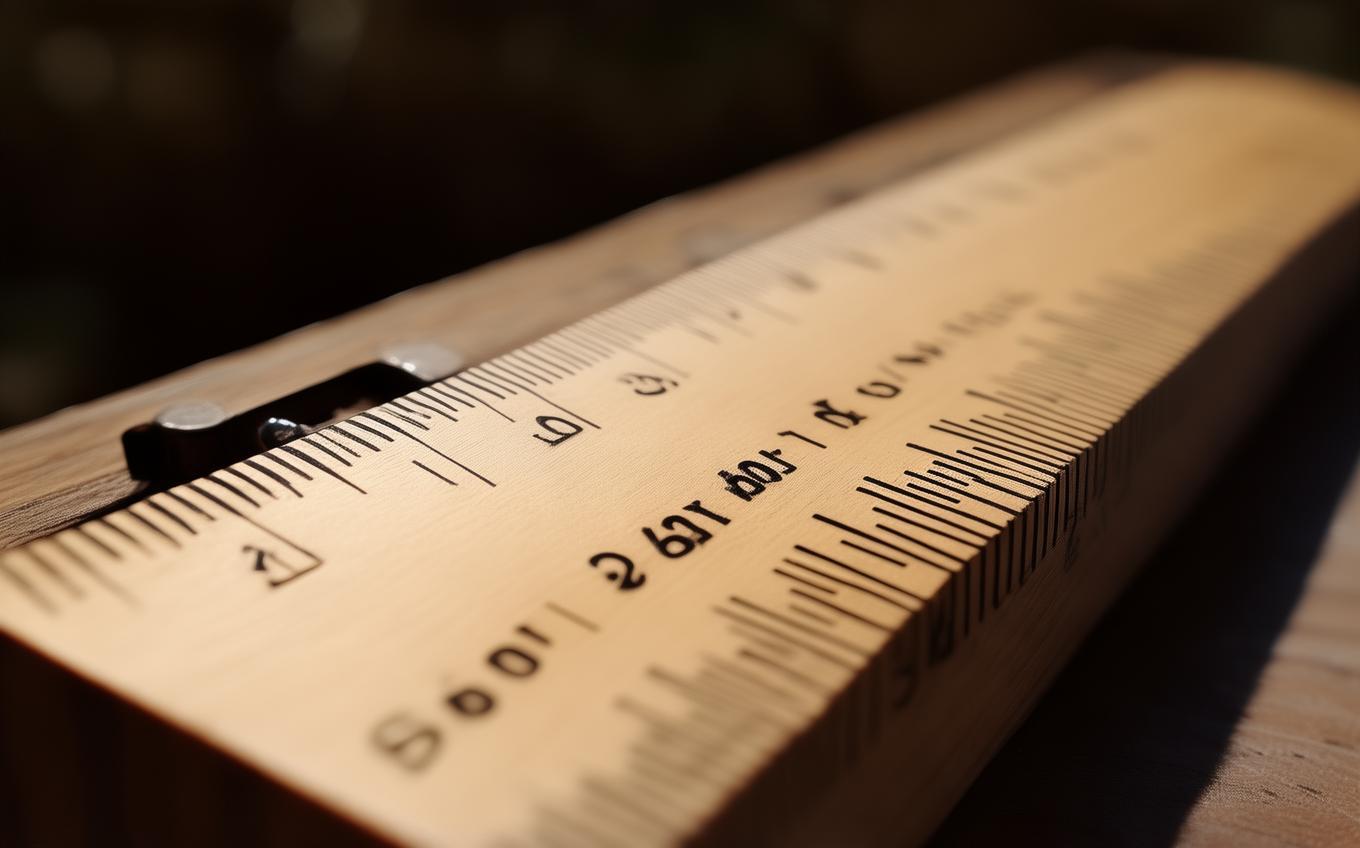
- 尺: originally refers to a traditional unit of length, roughly translated as “foot” or “ruler.” It suggests measuring or judging length.
- 度: means “degree,” “measure,” “extent,” or “standard.” It often appears in words related to measurement, attitude, systems, or levels.
Together, 尺度 suggests a “measuring standard” or “appropriate degree.”
3. Example Sentences
- Chinese: 说话要注意尺度,不要伤害别人。
- Pinyin: Shuōhuà yào zhùyì chǐdù, bùyào shānghài biérén.
-
English: When speaking, you should pay attention to proper boundaries and not hurt others.
-
Chinese: 这部电影的尺度比较大,不适合小孩子看。
- Pinyin: Zhè bù diànyǐng de chǐdù bǐjiào dà, bù shìhé xiǎo háizi kàn.
-
English: This movie is relatively bold or explicit in content, so it is not suitable for young children.
-
Chinese: 老师批评学生时,需要把握好尺度。
- Pinyin: Lǎoshī pīpíng xuésheng shí, xūyào bǎwò hǎo chǐdù.
- English: When criticizing students, teachers need to handle the degree carefully.
Cultural Notes (if applicable)
In Chinese communication, 尺度 is closely connected to the cultural value of moderation and appropriateness. Chinese society often emphasizes knowing the right time, tone, and degree when speaking or acting. For example, a joke may be funny, but if it goes too far, people may say 没有尺度, meaning “lacking a sense of limits.”
The phrase 把握尺度 is especially useful. It means “to grasp the proper measure” or “to maintain the right balance.” It is often used in professional, social, educational, and media contexts. For instance, a TV show, a public speech, or a teacher’s criticism may all need to 把握尺度.
Conclusion
尺度 is a useful Chinese word meaning “standard,” “scale,” “degree,” or “boundary,” depending on context. The key idea is measurement—not only physical measurement, but also measuring what is appropriate. To remember it, think of 尺度 as the “right measure” or “proper limit” in a situation.
Sources and Further Reading
Dictionary links are provided for independent reference. Example sentences and learning notes on this page are educational explanations rather than dictionary quotations.


Comments (0)
No comments yet. Be the first to comment!