Title: Understanding "翅膀" - Chinese Word Explanation
1. Basic Information
- Word: 翅膀
- Pinyin: chìbang
- Literal Meaning: “wing + upper arm/wing”
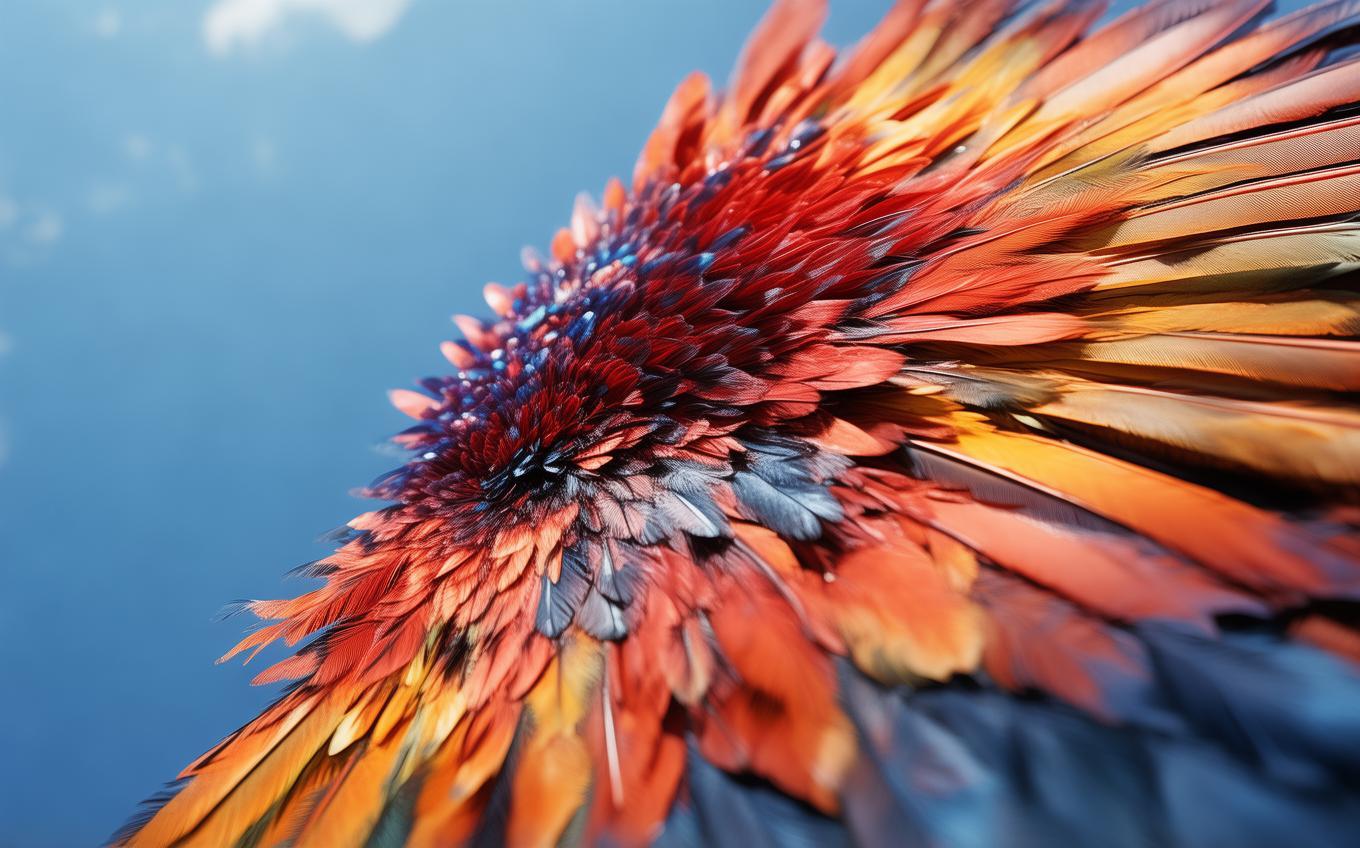
- Primary Meaning: “wing” or “wings,” referring to the body part that birds, insects, bats, or some other flying creatures use to fly.
2. In-depth Explanation
- Context and Usage:
翅膀 is a common noun in Mandarin Chinese. It usually refers to the wings of animals, such as birds, butterflies, bees, or bats. It can also be used for the wings of airplanes, though 机翼 is a more technical or formal word for “airplane wing.”
In everyday Chinese, 翅膀 often appears in both literal and figurative contexts. Literally, it describes physical wings. Figuratively, it can symbolize freedom, dreams, protection, or the ability to grow and become independent.
For example, saying someone has “grown wings” can suggest that they are becoming independent or ready to explore the world. This is similar to English expressions like “spread your wings.”
- Character Breakdown:
翅 means “wing.” It is often used in words related to wings or wing-like parts.
膀 originally relates to the shoulder, upper arm, or a wing-like body part. When used in 翅膀, it helps form the common everyday word for “wing.”
Note: The character 膀 is pronounced bǎng when used alone or in some other words, but in 翅膀, it is commonly pronounced with a neutral tone: chìbang.
3. Example Sentences
- Chinese: 小鸟展开翅膀飞走了。
- Pinyin: Xiǎo niǎo zhǎnkāi chìbang fēi zǒu le.
-
English: The little bird spread its wings and flew away.
-
Chinese: 蝴蝶的翅膀很漂亮。
- Pinyin: Húdié de chìbang hěn piàoliang.
-
English: The butterfly’s wings are very beautiful.
-
Chinese: 父母希望孩子有一天能展开自己的翅膀。
- Pinyin: Fùmǔ xīwàng háizi yǒu yì tiān néng zhǎnkāi zìjǐ de chìbang.
- English: Parents hope that one day their child can spread their own wings.
Cultural Notes (if applicable)
In Chinese, 翅膀 can carry poetic and emotional meaning. It is often connected with freedom, growth, dreams, and independence. For example, 展开翅膀 means “to spread one’s wings,” and it can describe both a bird flying and a person becoming independent or pursuing their dreams.
The word also appears in songs, poems, and inspirational writing. It often gives a gentle, hopeful feeling, especially when talking about children, youth, or personal growth.
Conclusion
翅膀 means “wing” or “wings” and is pronounced chìbang. It is used for the wings of birds, insects, and other flying creatures, and it can also be used metaphorically to express freedom, independence, and dreams. A useful phrase to remember is 展开翅膀, meaning “to spread one’s wings.”



Comments (0)
No comments yet. Be the first to comment!