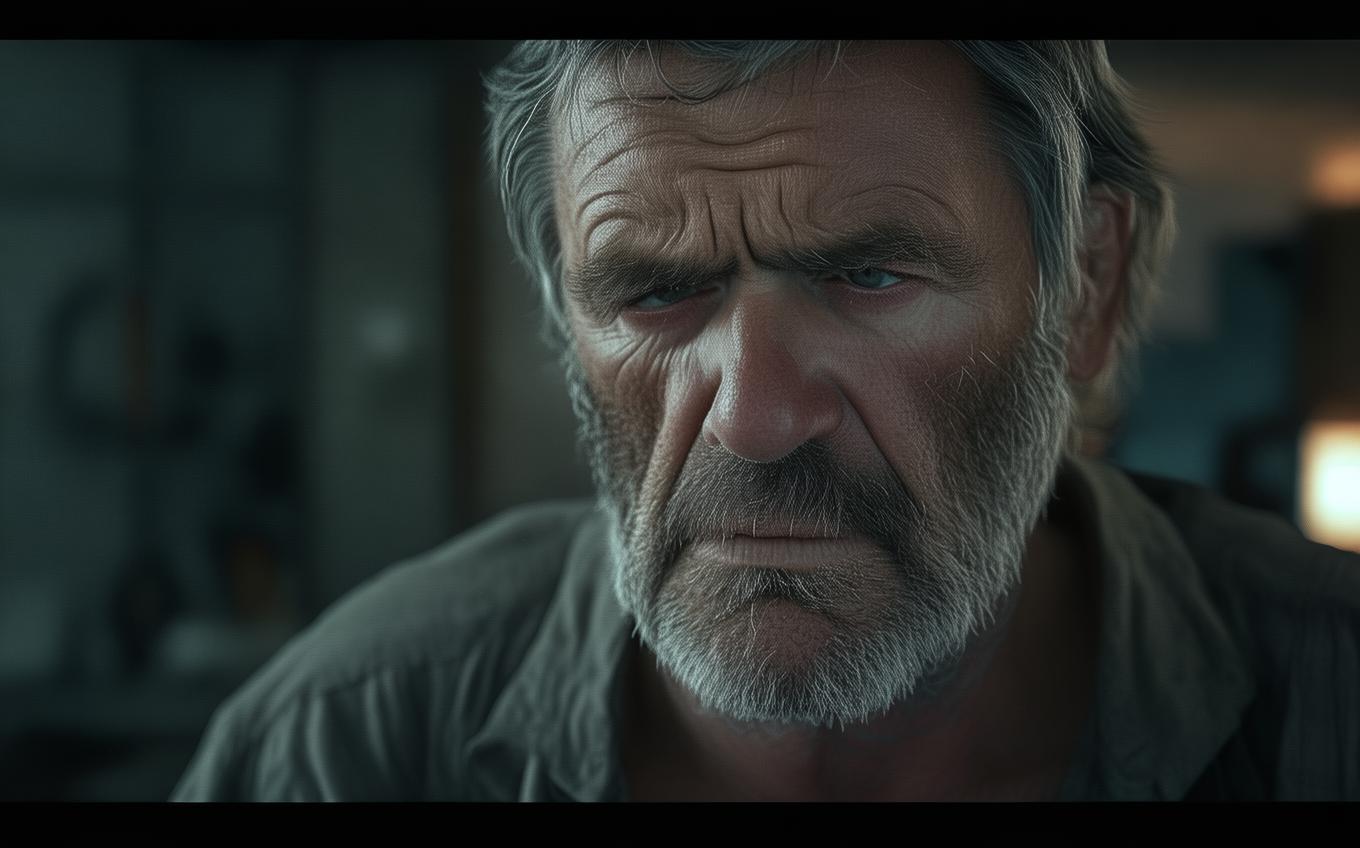
1. Basic Information
- Word: 愁眉苦脸
- Pinyin: chóu méi kǔ liǎn
- Literal Meaning: “worry-brow bitter-face” or “furrowed brows and a bitter face”
- Primary Meaning: looking worried, sad, or miserable; having an unhappy, troubled expression
2. In-depth Explanation
Context and Usage
愁眉苦脸 is used to describe a person’s facial expression when they are unhappy, worried, stressed, or upset. It often suggests that the person looks like they have a problem or are emotionally burdened.
In English, it is close to:
- “to look worried”
- “to have a gloomy expression”
- “to look miserable”
- “to wear a long face”
This word is usually used in a descriptive way, either about someone’s appearance or mood. It can be neutral, sympathetic, or slightly critical depending on the context.
For example:
- If someone is constantly 愁眉苦脸, others may think they are too pessimistic or always worrying.
- A parent or friend might use it to ask why someone looks so unhappy.
Character Breakdown
- 愁: sorrow, worry, sadness
- 眉: eyebrow
- 苦: bitter, painful, suffering
- 脸: face
Together, the phrase paints a vivid picture: worried eyebrows + a bitter face. This makes the meaning very easy to remember.
3. Example Sentences
- Chinese: 他最近工作压力很大,整天愁眉苦脸的。
- Pinyin: Tā zuìjìn gōngzuò yālì hěn dà, zhěng tiān chóu méi kǔ liǎn de.
-
English: He has been under a lot of work pressure recently and looks worried and miserable all day.
-
Chinese: 你别总是愁眉苦脸的,事情也许没有你想得那么糟。
- Pinyin: Nǐ bié zǒng shì chóu méi kǔ liǎn de, shìqing yěxǔ méiyǒu nǐ xiǎng de nàme zāo.
-
English: Don’t always look so worried; things may not be as bad as you think.
-
Chinese: 她一进门就愁眉苦脸,好像遇到了什么烦心事。
- Pinyin: Tā yí jìn mén jiù chóu méi kǔ liǎn, hǎoxiàng yù dào le shénme fánxīn shì.
- English: As soon as she came in, she looked miserable, as if something troubling had happened.
Cultural Notes
Chinese often uses vivid four-character expressions like 愁眉苦脸 to describe emotions in a compact and expressive way. This phrase is very visual, showing not only a feeling but also the face and posture that might come with it.
In daily conversation, Chinese speakers may use it to comfort someone who seems upset, or to tease someone who is making a situation look worse than it really is. Because it focuses on outward expression, it is often associated with visible emotional stress.
Conclusion
愁眉苦脸 (chóu méi kǔ liǎn) describes someone who looks worried, sad, or miserable. It is a vivid Chinese expression made up of characters for “worry,” “eyebrow,” “bitter,” and “face.” Remember it as a phrase for an unhappy facial expression, similar to “wearing a long face” in English.
Sources and Further Reading
Dictionary links are provided for independent reference. Example sentences and learning notes on this page are educational explanations rather than dictionary quotations.



Comments (0)
No comments yet. Be the first to comment!