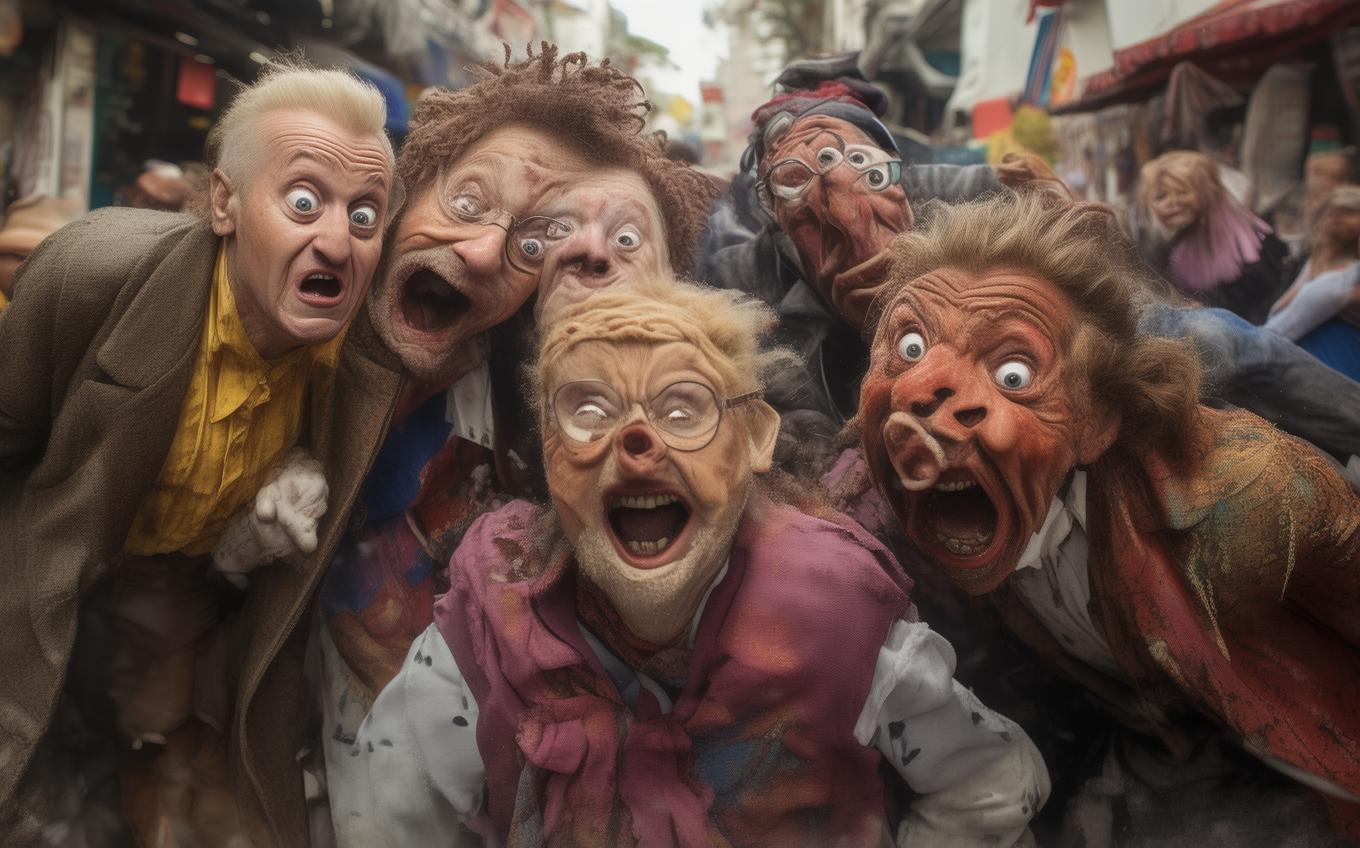
1. Basic Information
- Word: 出丑
- Pinyin: chū chǒu
- Literal Meaning: "to come out ugly" or "to show disgrace"
- Primary Meaning: to embarrass oneself; to make a fool of oneself; to lose face publicly
2. In-depth Explanation
Context and Usage
出丑 is used when someone does something awkward, foolish, or embarrassing in front of other people. It often suggests public embarrassment, not just a private feeling.
In English, it can be translated as:
- embarrass oneself
- make a fool of oneself
- look foolish in public
- lose face
It is commonly used when:
- someone says or does something awkward in front of others
- someone performs badly and feels ashamed
- a person is worried about public embarrassment
The word can sound a little negative and sometimes slightly formal or written, but it is still very common in everyday Chinese.
Character Breakdown
- 出 means "to go out" or "to come out"
- 丑 means "ugly," "shameful," or "disgraceful" in this context
Together, 出丑 literally suggests that "ugliness" or "shame" has come out into the open, which matches the idea of public embarrassment.
3. Example Sentences
-
Chinese: 他在会议上说错了话,觉得很出丑。
Pinyin: Tā zài huìyì shàng shuō cuò le huà, juéde hěn chūchǒu.
English: He said the wrong thing at the meeting and felt very embarrassed. -
Chinese: 我不想在大家面前出丑。
Pinyin: Wǒ bù xiǎng zài dàjiā miànqián chūchǒu.
English: I don't want to make a fool of myself in front of everyone. -
Chinese: 她第一次上台表演,虽然紧张,但没有出丑。
Pinyin: Tā dì yī cì shàngtái biǎoyǎn, suīrán jǐnzhāng, dàn méiyǒu chūchǒu.
English: It was her first time performing on stage, and although she was nervous, she did not embarrass herself.
Cultural Notes
In Chinese culture, avoiding 出丑 is closely tied to the idea of preserving face. Public mistakes, awkward behavior, or failure in front of others can feel especially serious because they affect how a person is viewed socially. Because of this, 出丑 is often used in situations involving social pressure, formal settings, or public performance.
Conclusion
出丑 (chū chǒu) means to embarrass oneself or make a fool of oneself, usually in public. It is a useful expression for describing awkward, shameful, or socially uncomfortable situations.
Sources and Further Reading
Dictionary links are provided for independent reference. Example sentences and learning notes on this page are educational explanations rather than dictionary quotations.



Comments (0)
No comments yet. Be the first to comment!