1. Basic Information
- Word: 初一
- Pinyin: chū yī
- Literal Meaning: “beginning one” or “first at the beginning”
- Primary Meaning: The first day of a lunar month; it can also mean the first year of junior middle school in some contexts.
2. In-depth Explanation
- Context and Usage:
初一 is commonly used in two main ways:
-
The first day of a lunar month
In the traditional Chinese lunar calendar, 初一 means “the first day of the month.” For example, 正月初一 means “the first day of the first lunar month,” which is Chinese New Year’s Day.In daily life, when people say 初一, they often refer to the first day of a lunar month, especially in traditional or religious contexts. Some people visit temples, burn incense, or make offerings on 初一.
-
The first year of junior middle school
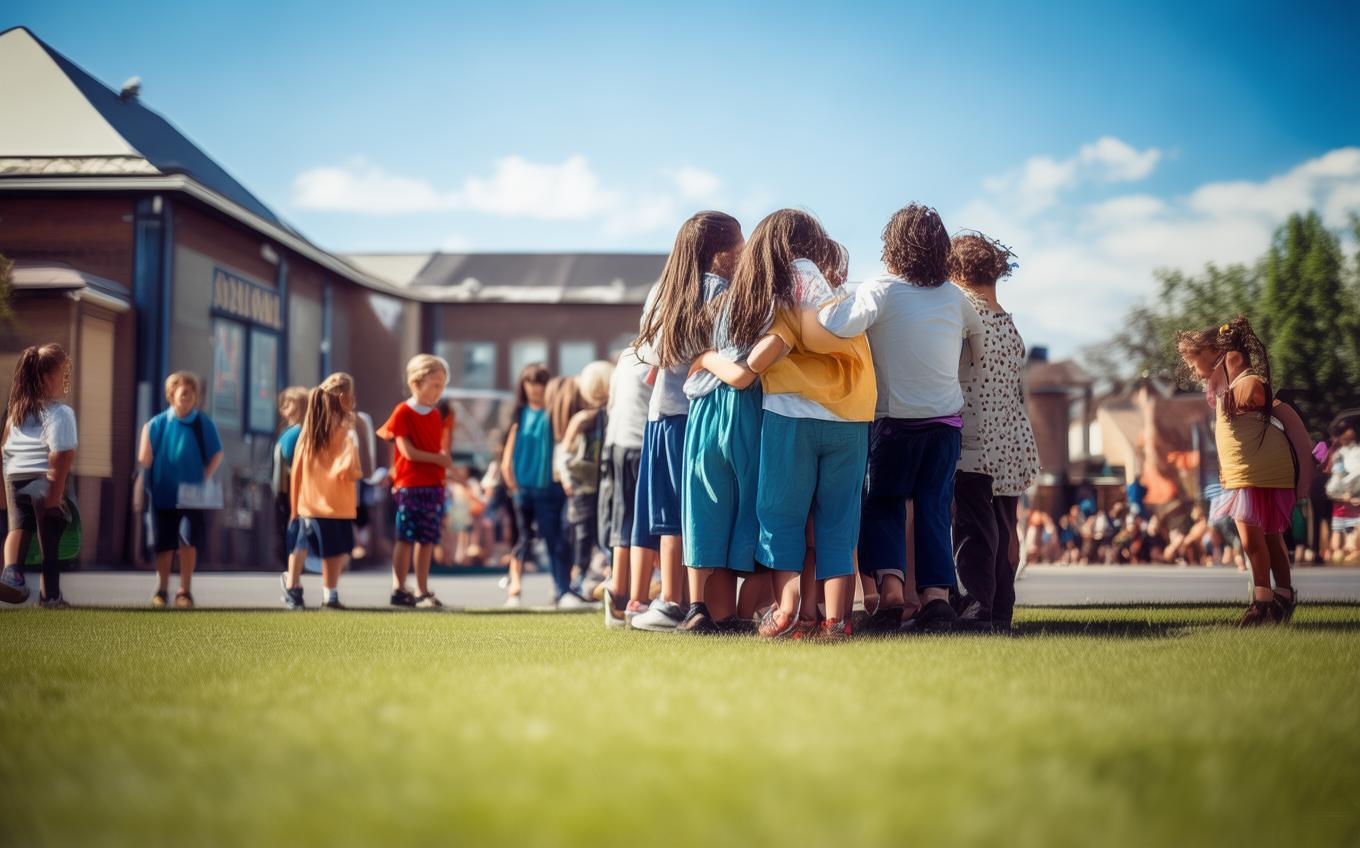
In Mainland China, 初一 can also mean the first year of junior high school, roughly equivalent to Grade 7 in many English-speaking education systems.
For example, 我上初一 means “I am in the first year of junior high school.”
The meaning depends strongly on context. If people are talking about dates, festivals, or the lunar calendar, 初一 means “the first day of a lunar month.” If they are talking about school, students, or grades, it means “the first year of junior middle school.”
- Character Breakdown:
- 初: beginning, start, early stage
- 一: one, first
Together, 初一 literally suggests “the first at the beginning,” which fits its meaning as the first day of a lunar month or the first year of junior middle school.
3. Example Sentences
- Chinese: 今天是农历初一。
- Pinyin: Jīntiān shì nónglì chū yī.
-
English: Today is the first day of the lunar month.
-
Chinese: 正月初一是春节。
- Pinyin: Zhēngyuè chū yī shì Chūnjié.
-
English: The first day of the first lunar month is the Spring Festival.
-
Chinese: 我弟弟今年上初一。
- Pinyin: Wǒ dìdi jīnnián shàng chū yī.
- English: My younger brother is starting the first year of junior high school this year.
Cultural Notes (if applicable)
初一 is culturally important because the traditional Chinese calendar is based on the lunar cycle. Many Chinese festivals are described using lunar dates. For example:
- 正月初一: Chinese New Year’s Day
- 五月初五: Dragon Boat Festival
- 八月十五: Mid-Autumn Festival, though this uses 十五, meaning “the fifteenth day”
In traditional Chinese culture, 初一 and 十五 are often important days for religious or family customs. Some people go to temples or burn incense on these days.
Also, when talking about school levels in Mainland China, 初一, 初二, and 初三 refer to the three years of junior middle school. These are roughly equivalent to Grade 7, Grade 8, and Grade 9.
Conclusion
初一 means “the first day of a lunar month” when talking about dates, especially traditional Chinese festivals. It can also mean “the first year of junior high school” in an education context. Remember: date context = lunar calendar day; school context = junior high grade.
Sources and Further Reading
Dictionary links are provided for independent reference. Example sentences and learning notes on this page are educational explanations rather than dictionary quotations.



Comments (0)
No comments yet. Be the first to comment!