1. Basic Information
- Word: 除夕
- Pinyin: chú xī
- Literal Meaning: "Remove" + "Eve/Night"
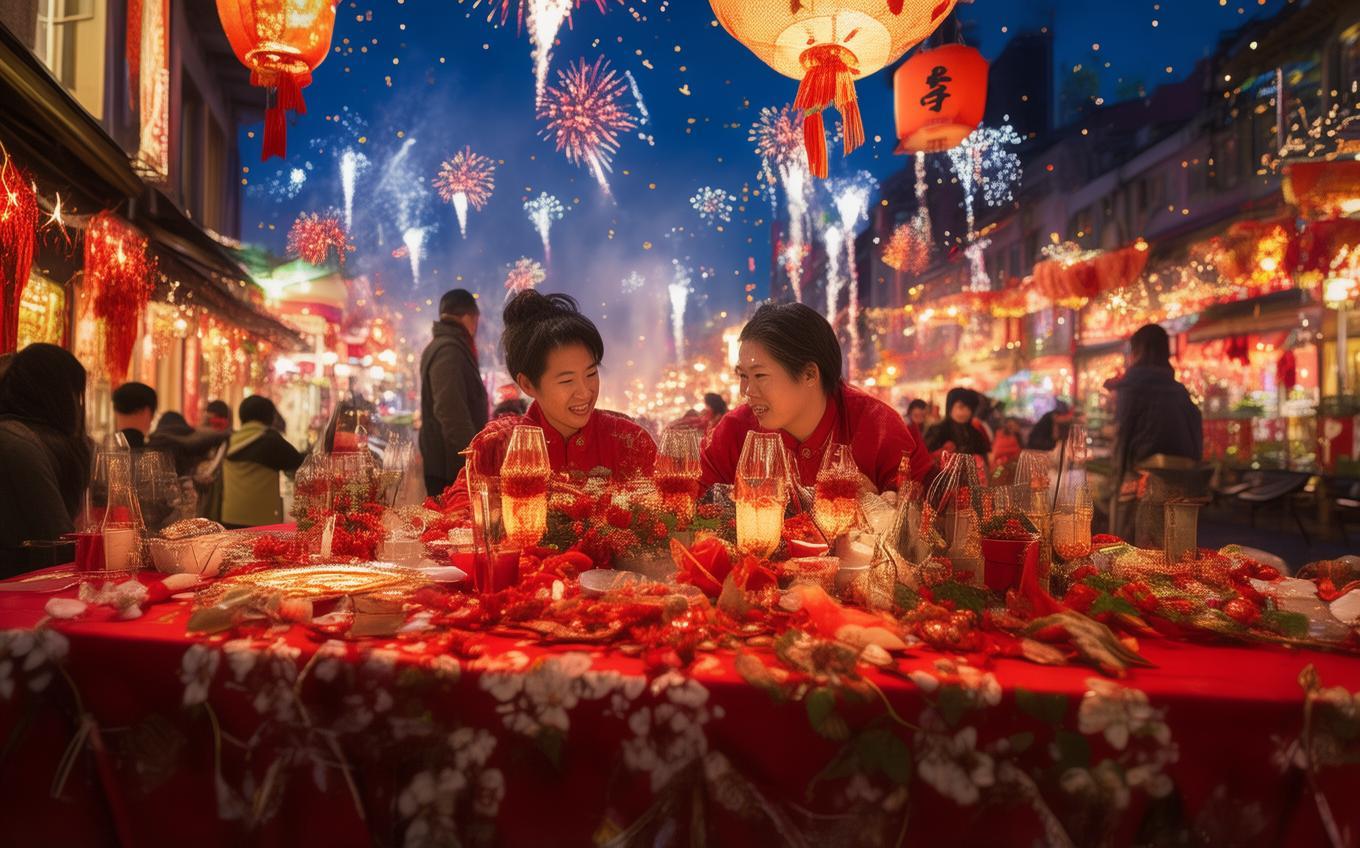
- Primary Meaning: Chinese New Year's Eve; the night before the Spring Festival (Lunar New Year)
2. In-depth Explanation
-
Context and Usage: "除夕" specifically refers to the evening and night before the first day of the Lunar New Year. It's not used for December 31st (Gregorian New Year's Eve, which is called 元旦前夕 yuándàn qiánxī). This word carries strong cultural weight — it implies family reunion, a festive dinner, and the act of bidding farewell to the old year. You'll hear it used in phrases like "除夕夜" (chú xī yè, New Year's Eve night) or "除夕晚餐" (chú xī wǎn cān, New Year's Eve dinner). It's a noun, often used as a time marker, similar to saying "on Christmas Eve."
-
Character Breakdown:
- 除 (chú): This character means "to remove," "to get rid of," or "to eliminate." In the context of the New Year, it symbolizes sweeping away the old, including bad luck, misfortunes, and the past year's troubles, to make room for the new.
- 夕 (xī): This character means "evening," "night," or "dusk." It refers to the time of day when the transition happens. Together, 除夕 literally paints a picture of "the night of removal" — the evening when you clear out the old year.
3. Example Sentences
- Chinese: 除夕夜,我们全家一起吃年夜饭。
- Pinyin: Chú xī yè, wǒ men quán jiā yī qǐ chī nián yè fàn.
-
English: On Chinese New Year's Eve, our whole family eats the reunion dinner together.
-
Chinese: 除夕晚上,孩子们都喜欢放鞭炮。
- Pinyin: Chú xī wǎn shang, hái zi men dōu xǐ huan fàng biān pào.
-
English: On the evening of Chinese New Year's Eve, children all love to set off firecrackers.
-
Chinese: 按照传统,除夕要守岁到半夜。
- Pinyin: Àn zhào chuán tǒng, chú xī yào shǒu suì dào bàn yè.
- English: According to tradition, one must stay up late on Chinese New Year's Eve until midnight (to welcome the new year).
Cultural Notes
"除夕" is the culmination of the entire Spring Festival season. The activities on this night are rich with symbolism:
- Reunion Dinner (年夜饭 nián yè fàn): This is arguably the most important meal of the year for Chinese families. Dishes are chosen for their auspicious homophones, like fish (鱼 yú) for "surplus" (余 yú).
- Staying Up Late (守岁 shǒu suì): This tradition originally meant to drive away evil spirits and pray for parents' longevity. Today, families often gather to chat, play games, or watch the CCTV New Year's Gala (春晚 Chūn Wǎn) together.
- Red Envelopes (红包 hóng bāo): Elders give these to children after the reunion dinner or at midnight, symbolizing the transfer of good fortune and the suppression of evil spirits.
The concept of "除" (removing the old) is also physically manifested in the days leading up to 除夕 through the massive spring cleaning (大扫除 dà sǎo chú), where homes are swept clean of any lingering bad luck from the departing year.
Conclusion
To remember "除夕" (chú xī), think of it as the "Old-Year-Removing Night." It's not just any eve; it's the uniquely Chinese Lunar New Year's Eve, a night dedicated to family, feasting, and symbolically sweeping away the past to welcome a fresh, fortunate start.
Sources and Further Reading
Dictionary links are provided for independent reference. Example sentences and learning notes on this page are educational explanations rather than dictionary quotations.



Comments (0)
No comments yet. Be the first to comment!