1. Basic Information
- Word: 瓷器
- Pinyin: cíqì
- Literal Meaning: “porcelain object” or “ceramic vessel”
- Primary Meaning: Porcelain; porcelain ware; fine ceramic objects made from fired clay materials, often with a smooth, hard, white, or glazed surface.
2. In-depth Explanation
- Context and Usage:
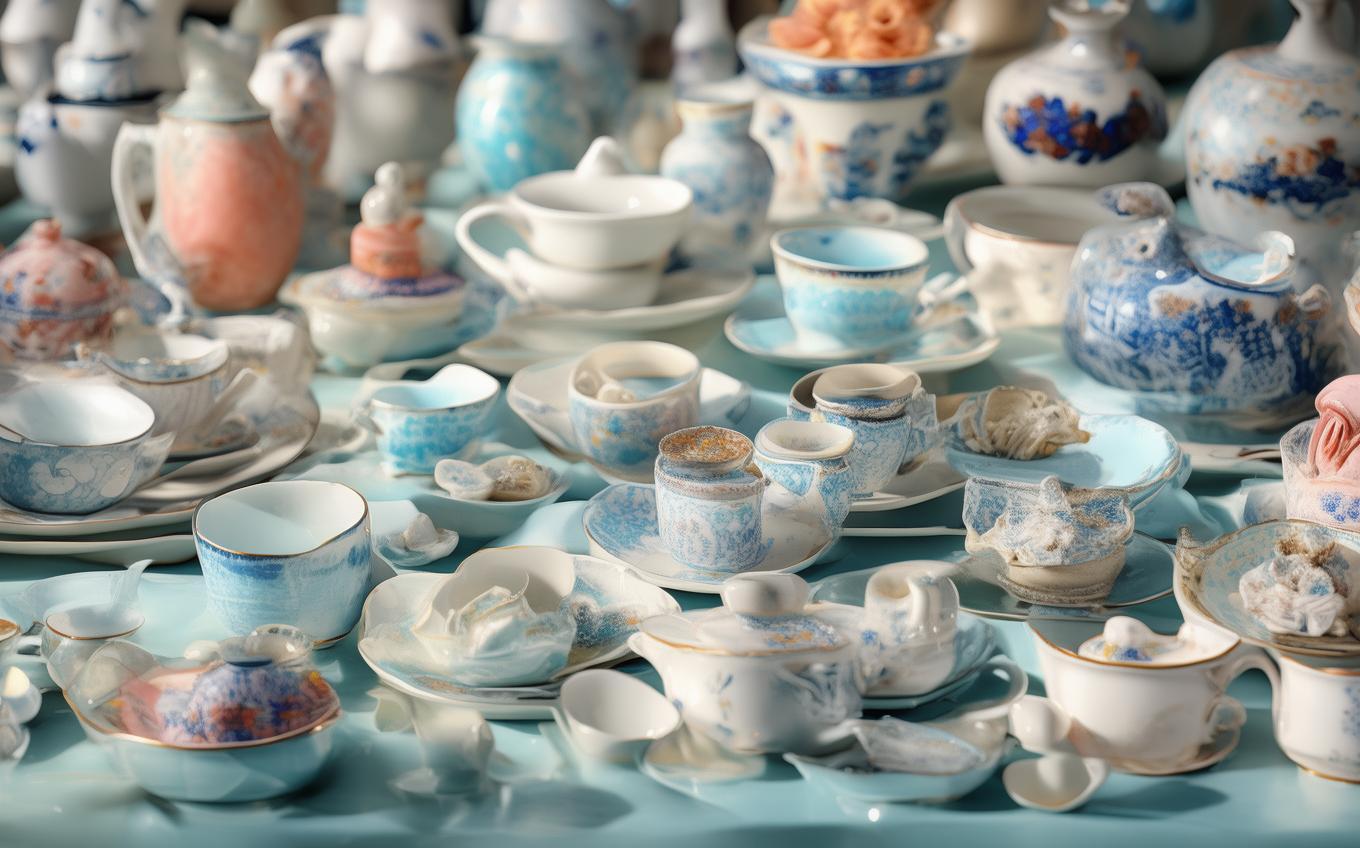
瓷器 is used to refer to porcelain objects, especially bowls, plates, vases, cups, and decorative items. It usually suggests something more refined than ordinary pottery. In English, it can be translated as “porcelain,” “porcelain ware,” or sometimes “china,” depending on the context.
For example, if you are talking about museum objects, antique vases, or traditional Chinese tableware, 瓷器 is a very appropriate word. It is commonly used in contexts related to art, history, antiques, household items, and Chinese culture.
A useful distinction:
- 瓷器 usually refers to porcelain or fine ceramic ware.
- 陶器 means pottery or earthenware, usually rougher and fired at a lower temperature.
- 陶瓷 is a broader word meaning ceramics, including both pottery and porcelain.
-
Character Breakdown:
瓷器 is made of two characters: -
瓷: porcelain; fine ceramic material. This character specifically refers to porcelain, a hard and often delicate ceramic material.
- 器: object; utensil; vessel; tool. This character often appears in words for containers, tools, or functional objects, such as 乐器 (yuèqì, musical instrument) and 电器 (diànqì, electrical appliance).
Together, 瓷器 means “porcelain objects” or “porcelain ware.”
3. Example Sentences
- Chinese: 这个博物馆里有很多古代瓷器。
- Pinyin: Zhège bówùguǎn lǐ yǒu hěn duō gǔdài cíqì.
-
English: There are many ancient porcelain pieces in this museum.
-
Chinese: 这套餐具是用瓷器做的。
- Pinyin: Zhè tào cānjù shì yòng cíqì zuò de.
-
English: This set of tableware is made of porcelain.
-
Chinese: 中国瓷器在世界上很有名。
- Pinyin: Zhōngguó cíqì zài shìjiè shàng hěn yǒumíng.
- English: Chinese porcelain is very famous around the world.
Cultural Notes (if applicable)
China has a long and famous history of producing 瓷器. In fact, the English word “china,” meaning porcelain, comes from China’s historical association with high-quality porcelain. Chinese porcelain became highly prized in many parts of the world, especially through trade along the Silk Road and maritime trade routes.
Famous types of Chinese porcelain include blue-and-white porcelain, known in Chinese as 青花瓷 (qīnghuācí), which often features blue designs painted on a white background. Porcelain from places like Jingdezhen, 景德镇 (Jǐngdézhèn), is especially famous. Jingdezhen is often called the “Porcelain Capital” of China because of its long tradition of porcelain production.
In Chinese culture, 瓷器 is not only practical but also artistic. A porcelain vase, bowl, or tea cup may be valued for its shape, glaze, painting, age, and craftsmanship.
Conclusion
瓷器 (cíqì) means “porcelain” or “porcelain ware.” The character 瓷 means porcelain, and 器 means object or vessel. Remember that 瓷器 usually refers to refined ceramic items such as bowls, plates, cups, and vases, especially those connected with Chinese art, history, and traditional craftsmanship.
Sources and Further Reading
Dictionary links are provided for independent reference. Example sentences and learning notes on this page are educational explanations rather than dictionary quotations.



Comments (0)
No comments yet. Be the first to comment!