1. Basic Information
- Word: 大米
- Pinyin: dà mǐ
- Literal Meaning: "Big rice" or "large rice grains"
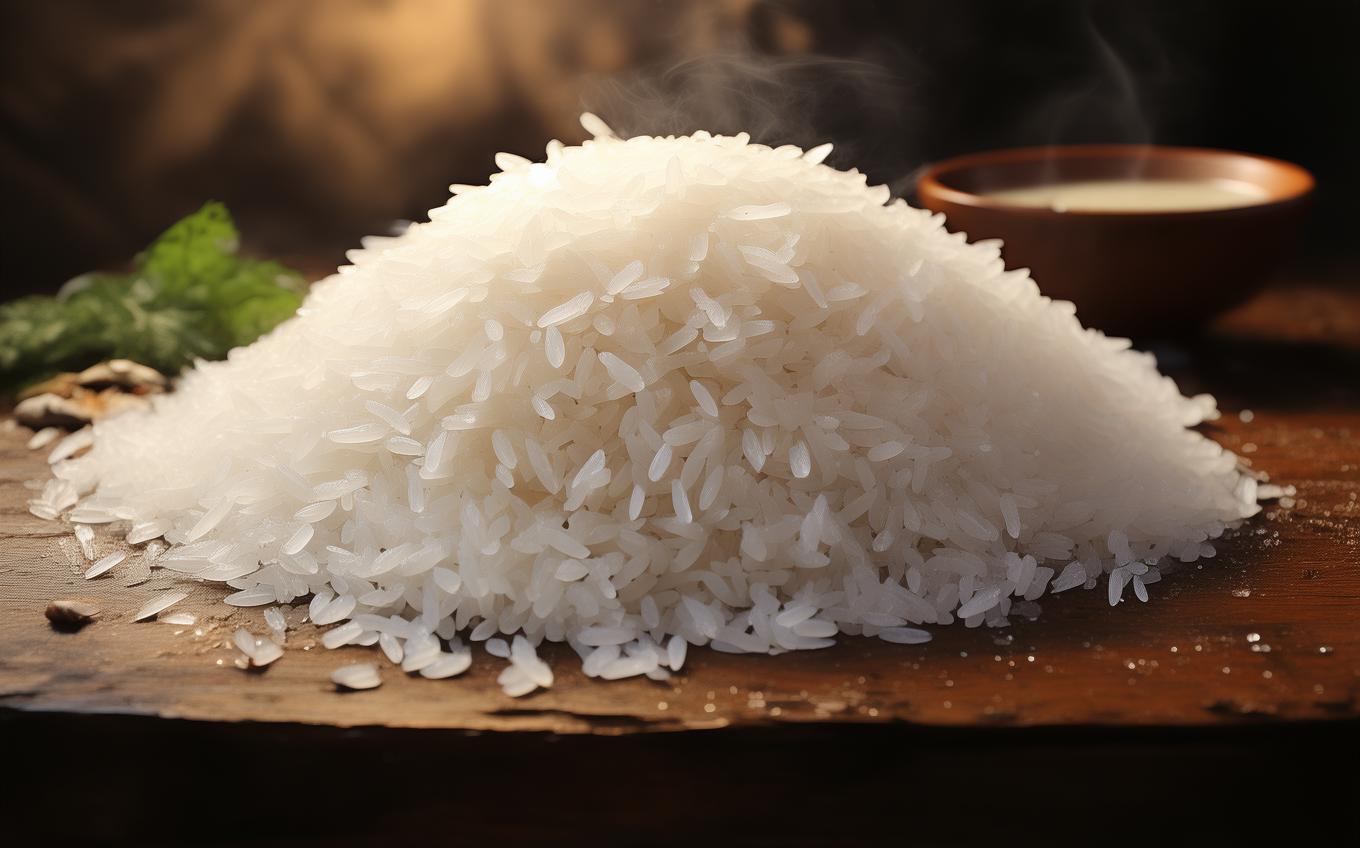
- Primary Meaning: Husked, uncooked white rice (the dry grains you buy in bags at the store)
2. In-depth Explanation
- Context and Usage:
"大米" specifically refers to raw, uncooked rice grains that have been milled and polished, removing the husk and bran. This is the standard white rice you see in supermarkets, the dry product you measure out before cooking. It is distinct from cooked rice, which is called "米饭" (mǐ fàn).
You would use "大米" when talking about buying rice, storing rice, or the rice as an ingredient before it enters the rice cooker. For example, you might say "I need to buy a bag of 大米" or "This 大米 is of high quality." It is a staple food term and one of the most fundamental vocabulary words for daily life in China.
Nuance: While "大米" almost always means white rice in everyday speech, it can technically encompass other milled rice varieties (like slightly polished brown rice), but unless specified, assume it means polished white rice.
- Character Breakdown:
- 大 (dà): Means "big" or "large." In this context, it doesn't literally describe the size of each grain. Instead, it distinguishes this refined, "great" or "principal" rice from smaller or less significant grains like millet. Historically, "大" elevates rice as the primary, superior staple grain.
- 米 (mǐ): Means "rice" in its raw, uncooked grain form. This character originally depicted a grain of rice with the husk removed. It appears in many rice-related words, such as 米饭 (cooked rice), 米粉 (rice noodles), and 玉米 (corn, literally "jade rice").
Together, "大米" literally paints a picture of the "important rice grains" — the main, refined rice that forms the backbone of the Chinese diet.
3. Example Sentences
-
Chinese: 我去超市买一袋大米。
Pinyin: Wǒ qù chāoshì mǎi yī dài dà mǐ.
English: I'm going to the supermarket to buy a bag of rice. -
Chinese: 这种大米是从泰国进口的,很香。
Pinyin: Zhè zhǒng dà mǐ shì cóng Tàiguó jìnkǒu de, hěn xiāng.
English: This type of rice is imported from Thailand and is very fragrant. -
Chinese: 做饭之前,先把大米洗干净。
Pinyin: Zuò fàn zhī qián, xiān bǎ dà mǐ xǐ gānjìng.
English: Before cooking, first wash the rice clean.
Cultural Notes
Rice is not just food in China; it is deeply embedded in the culture and language. The common greeting "你吃饭了吗?" (Nǐ chī fàn le ma? — "Have you eaten?") literally asks if you have eaten "rice" (饭), reflecting that a meal without rice is often considered incomplete, especially in southern China.
There is also a famous Tang Dynasty poem, "悯农" (Mǐn Nóng — "Sympathy for the Peasants"), that every Chinese child learns, which reads in part: "谁知盘中餐,粒粒皆辛苦" (Shéi zhī pán zhōng cān, lì lì jiē xīnkǔ — "Who knows that every grain in the bowl is the fruit of bitter toil?"). This instills a deep cultural respect for 大米 and a strong aversion to wasting even a single grain. When you handle 大米, you are touching a symbol of sustenance, hard work, and civilization itself.
Conclusion
To remember "大米" (dà mǐ), think of the dry, uncooked white rice you pour from a bag into a pot. The character 大 ("big/great") signals its importance as the primary staple grain, while 米 means rice in its raw state. Never confuse it with 米饭 (mǐ fàn), which is the steamed, ready-to-eat result. Mastering this distinction will immediately make your Chinese sound more natural and precise.
Sources and Further Reading
Dictionary links are provided for independent reference. Example sentences and learning notes on this page are educational explanations rather than dictionary quotations.


Comments (0)
No comments yet. Be the first to comment!