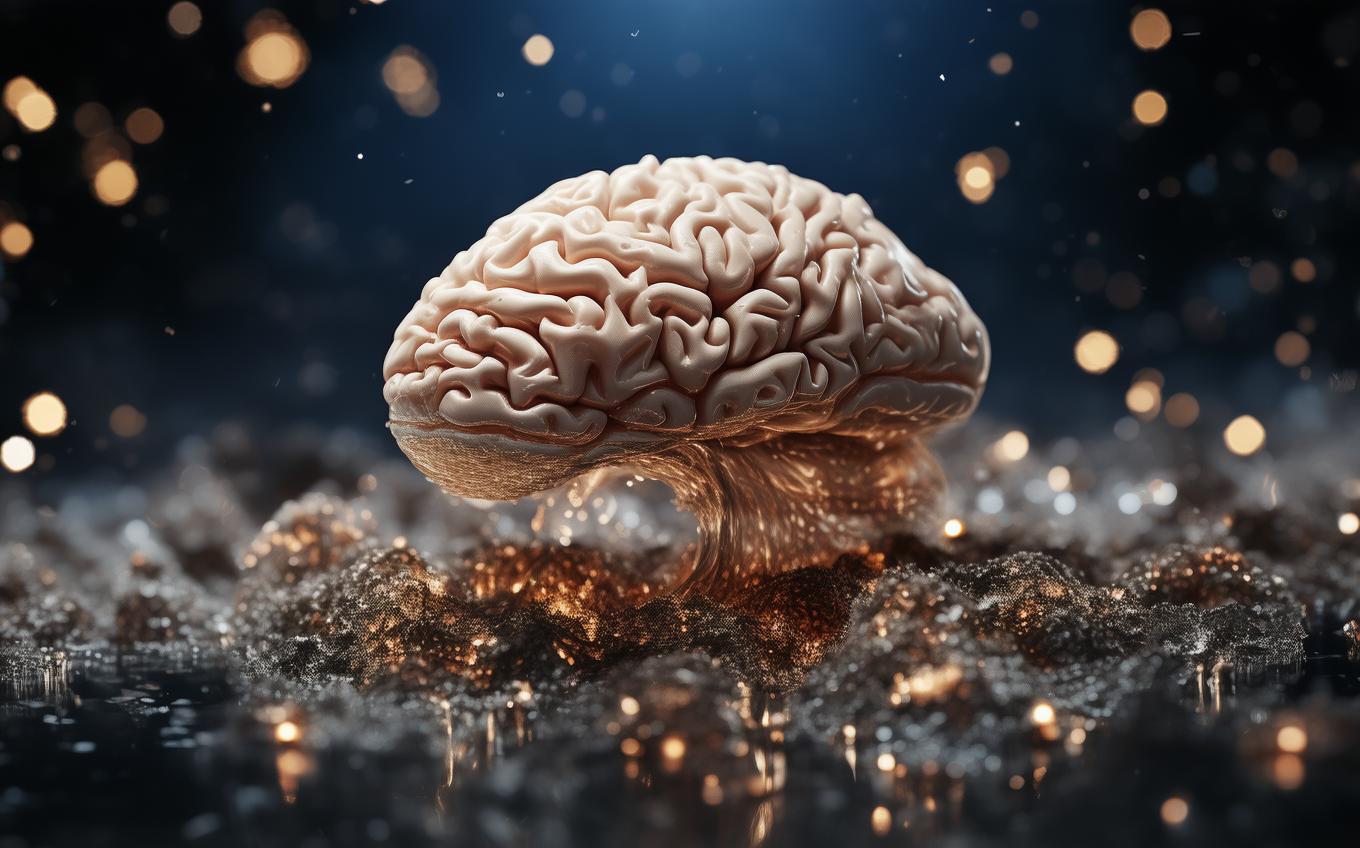
Understanding "大脑" - Chinese Word Explanation
1. Basic Information
- Word: 大脑
- Pinyin: dà nǎo
- Literal Meaning: big brain
- Primary Meaning: cerebrum; brain (in a general or scientific sense)
2. In-depth Explanation
- Context and Usage: "大脑" is the most common and standard way to refer to the brain as a physical organ in Chinese. It is used in both everyday conversation and formal, scientific contexts. While English speakers might just say "brain," Chinese often uses "大脑" to specify the organ itself, especially when discussing thinking, memory, intelligence, or neurology. It carries a slightly more anatomical or formal tone than just saying "脑" (nǎo), though "脑" is often used in compound words (like 电脑, computer). You can use "大脑" when talking about brain health, brain function, or when telling someone to "use their brain."
- Character Breakdown:
- 大 (dà): This character means "big" or "large." In this context, it distinguishes the cerebrum (the largest part of the brain) from other parts like the cerebellum (小脑, literally "small brain") or the brainstem (脑干). So, it’s not just a generic "big"; it’s a specific anatomical reference.
- 脑 (nǎo): This character means "brain." It is the core word for the organ. The character itself has the "肉" (meat/flesh) radical on the left, indicating it's a body part, and the right side is a phonetic component.
3. Example Sentences
- Chinese: 经常阅读可以锻炼你的大脑。
- Pinyin: Jīngcháng yuèdú kěyǐ duànliàn nǐ de dà nǎo.
-
English: Reading regularly can exercise your brain.
-
Chinese: 科学家正在研究人类大脑的秘密。
- Pinyin: Kēxuéjiā zhèngzài yánjiū rénlèi dà nǎo de mìmì.
-
English: Scientists are researching the secrets of the human brain.
-
Chinese: 别担心,开动你的大脑,一定能想出办法。
- Pinyin: Bié dānxīn, kāidòng nǐ de dà nǎo, yīdìng néng xiǎng chū bànfǎ.
- English: Don't worry, use your brain, and you will definitely come up with a solution.
Cultural Notes (if applicable)
In traditional Chinese medicine and culture, the "brain" (大脑) was historically not considered the primary seat of thought and emotion. Instead, the heart (心, xīn) was viewed as the center of consciousness, thinking, and feeling. This is why you still see many words related to thinking and emotion containing the "heart" radical, like 想 (xiǎng, to think) or 爱 (ài, love). The modern understanding of "大脑" as the control center for the body and mind is fully adopted today, but the ancient linguistic influence remains. The phrase "开动大脑" (kāidòng dà nǎo) is a very common, slightly playful way to say "use your head" or "put your brain to work," similar to "rack your brain."
Conclusion
To remember "大脑" (dà nǎo), think of it as the "big brain"—your main cerebrum. It’s your go-to word for the physical brain in your head, whether you’re talking about science, health, or just telling someone to think harder. Just remember that culturally, the "heart" still holds a special place in the language of emotions.
Sources and Further Reading
Dictionary links are provided for independent reference. Example sentences and learning notes on this page are educational explanations rather than dictionary quotations.



Comments (0)
No comments yet. Be the first to comment!