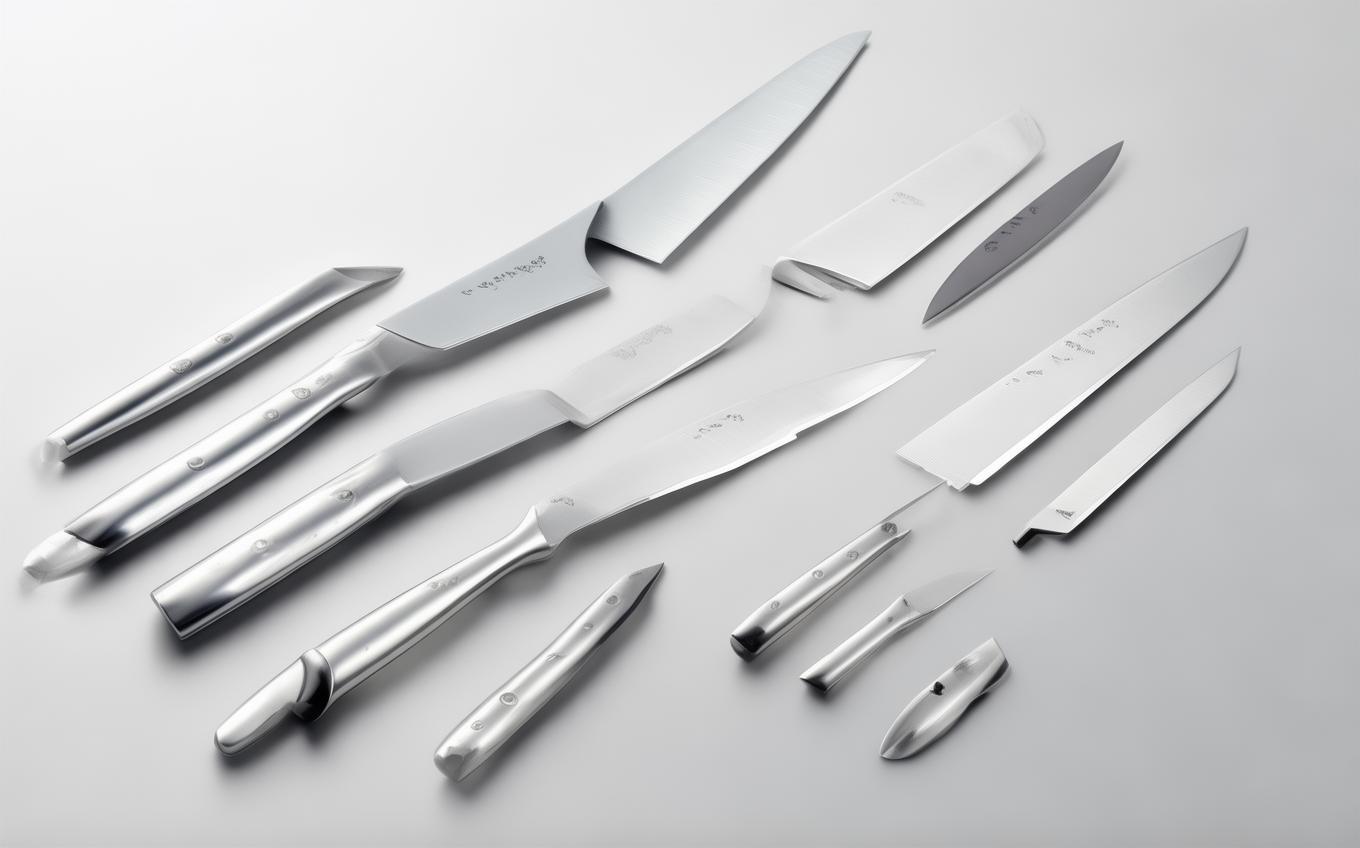
1. Basic Information
- Word: 刀具
- Pinyin: dāo jù
- Literal Meaning: “knife/tool” or “blade implement”
- Primary Meaning: cutting tools; knives; bladed tools
2. In-depth Explanation
- Context and Usage:
刀具 is a general noun used to refer to tools with blades or cutting functions. In English, it can be translated as “cutting tools,” “knives,” or “bladed tools,” depending on the context.
It is commonly used in several situations:
-
Kitchen context: It can refer to kitchen knives or a set of knives.
For example, a store might sell 厨房刀具 “kitchen knives.” -
Industrial or technical context: It often means “cutting tools” used in manufacturing, machining, carving, or metalworking.
For example, 数控机床刀具 means “CNC machine cutting tools.” -
Legal or safety context: It can refer to knives or bladed objects that may be restricted.
For example, 管制刀具 means “controlled knives” or “restricted knives,” referring to knives regulated by law.
Compared with 刀 dāo, which usually means a single “knife” or “blade,” 刀具 is more formal and collective. It often refers to a category of tools rather than just one knife.
-
Character Breakdown:
刀具 is made of two characters: -
刀 dāo: knife; blade; sword-like cutting object
- 具 jù: tool; implement; utensil; equipment
Together, 刀具 literally means “knife tools” or “bladed implements,” which naturally becomes “cutting tools” or “knives.”
3. Example Sentences
- Chinese: 这套刀具很适合家庭厨房使用。
- Pinyin: Zhè tào dāojù hěn shìhé jiātíng chúfáng shǐyòng.
-
English: This set of knives is very suitable for home kitchen use.
-
Chinese: 工厂需要购买新的刀具来加工金属零件。
- Pinyin: Gōngchǎng xūyào gòumǎi xīn de dāojù lái jiāgōng jīnshǔ língjiàn.
-
English: The factory needs to buy new cutting tools to process metal parts.
-
Chinese: 乘坐火车时,不能携带管制刀具。
- Pinyin: Chéngzuò huǒchē shí, bù néng xiédài guǎnzhì dāojù.
- English: When taking a train, you are not allowed to carry restricted knives.
Cultural Notes (if applicable)
In China, the phrase 管制刀具 is important in public safety and transportation contexts. It refers to knives or bladed tools that are regulated by law, such as certain long knives, switchblades, or other weapons. You may see this term in train stations, airports, schools, and public security notices.
Also, in daily life, Chinese people may use more specific words for individual knives, such as:
- 菜刀 cài dāo: kitchen cleaver; vegetable knife
- 水果刀 shuǐguǒ dāo: fruit knife
- 剪刀 jiǎn dāo: scissors
- 小刀 xiǎo dāo: small knife
By contrast, 刀具 sounds more general, formal, or technical.
Conclusion
刀具 dāo jù means “cutting tools,” “knives,” or “bladed tools.” Remember that 刀 means “knife” and 具 means “tool,” so together they refer to tools used for cutting. It is useful in kitchen, industrial, and legal or safety contexts.
Sources and Further Reading
Dictionary links are provided for independent reference. Example sentences and learning notes on this page are educational explanations rather than dictionary quotations.


Comments (0)
No comments yet. Be the first to comment!